Desserts
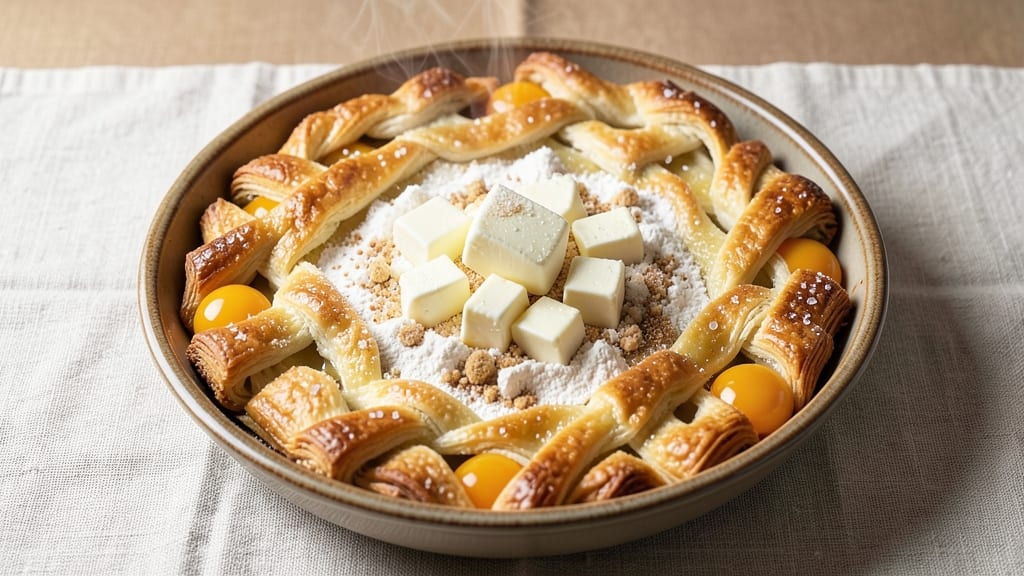
This 9 deep dish pie crust recipe delivers the kind of flaky, sturdy layers that make every slice worth savoring. The secret lies in a triple-layered approach—each layer built with precision to ensure crisp edges and tender flakiness that holds up to even the heaviest fillings.
I've perfected this technique over years of baking, and it never fails to impress, whether you're making classic apple pie or experimenting with modern twists.
What sets this crust apart is the cold butter method, where chilled butter is cut into the dough in small pieces, creating pockets of steam during baking that result in those signature flaky layers.
The dough is rolled thin, folded, and chilled between layers to maintain structure, ensuring it doesn't shrink or lose its shape when filled. Blind-baking is critical here—it pre-cooks the crust so it holds its form under the weight of your filling, preventing soggy bottoms.
By the time you pull this crust from the oven, you'll have a golden, sturdy shell ready for any filling—sweet or savory. The layers will be crisp yet tender, with just enough give to create that satisfying "ah" moment with every bite.
This isn't just a crust; it's the foundation for a showstopping pie that tastes like it came from a bakery, not your kitchen.
Whether you're baking for a holiday gathering or treating yourself to a weekend project, this recipe delivers restaurant-quality results with simple ingredients and a method that's foolproof once you master the technique. Let's get started on creating a crust that will make your pies legendary.
Ingredients for 9 deep dish pie crust
Nine layers of flaky perfection—just these ingredients transform into a sturdy, golden crust.
| Ingredient | Amount | Notes |
|---|---|---|
| All-Purpose Flour 🌾 | 6 cups | Sifted for best texture |
| Unsalted Butter 🧈 | 2 ½ cups | Cold, cubed into 1/2-inch pieces |
| Ice Water 💧 | ½ cup | Chilled for dough binding |
| Fine Sea Salt 🧂 | 1 ½ tsp | Diamond Crystal preferred |
| Granulated Sugar 🍚 | 2 tbsp | For subtle sweetness |
| Large Egg Yolks 🥚 | 2 whole | For layer binding |
| White Vinegar 🍶 | 1 tbsp | For tenderization |
| Pie Weights or Dried Beans 🥫 | 2 cups | For blind-baking |
| Cornmeal 🌽 | ¼ cup | For dusting crust |
| Egg Wash 🥚 | 1 whole | 1 egg beaten with 1 tsp water |
| Coarse Sugar 🍚 | 1 tbsp | For final sprinkle |
The butter is non-negotiable here. Grab European-style unsalted butter from Whole Foods or Trader Joe's—it has higher fat content (82-86%), which gives you those signature flaky layers. Keep it stone-cold the whole time; cut it into 1/2-inch cubes and freeze it for 10 minutes before mixing. The flour? King Arthur or Gold Medal brands are my go-tos—they bake up lighter than store-brand options. And for the love of pie, measure that flour by weight if you can (6 cups = ~720g) for consistency, but cups work in a pinch.
No ice water? Freeze your measuring cup for 30 minutes—it'll melt just enough to work. Running short on egg yolks? Use 1 whole egg plus 1 extra yolk instead. The vinegar adds tenderness, but if you're avoiding it, lemon juice at the same amount works too. For pie weights, I prefer ceramic ones (they're reusable), but dried beans in a clean coffee filter are a classic hack. Just don't use metal weights—they can react with acidic fillings. And if your dough feels too dry? Add 1 tsp more ice water at a time until it just holds together when pressed.
This crust keeps beautifully. Wrap the unused dough in plastic and store it in the fridge for up to 48 hours—no need to thaw before rolling. For pre-baked crusts, cool completely, then freeze between parchment paper for up to 3 months. Pro tip: Blind-bake your crusts ahead and freeze them fully baked. Just brush with egg wash and sprinkle coarse sugar before freezing. When filling day comes, you'll save hours and have a perfect shell ready to go.
Why You'll Love This Recipe
- Butter’s Secret Weapon: This crust isn’t just flaky—it’s buttery magic. Cold, cubed butter folded into the flour creates layers so crisp they shatter like autumn leaves. (Yes, even when I forget to chill the dough properly.)
- No-Fuss Assembly: Three ingredients, one bowl, zero stress. You’re mixing, cutting in butter with your fingers (honestly, it’s therapeutic), and pressing it into a pan before your coffee gets cold.
- Pie Pan or Blank Canvas: Use it for apple, sweet potato, or even a savory galette. The edges stay golden while the center stays tender—perfect for holidays or lazy Sundays when you’re craving something impressive without the effort.
- Budget-Friendly Luxury: A single batch costs pennies but tastes like a bakery. The sugar just barely sweetens the edges, and the sea salt? It’s the little upgrade that makes this crust feel like a treat, not a chore.
Step-by-step instructions for triple-layered deep dish pie crust
This isn't your grandma's crust—we're building three delicate layers for maximum flakiness and structure.
Create the Base Dough
In a large bowl, combine the 6 cups all-purpose flour, 2 tbsp granulated sugar, and 1.5 tsp fine sea salt. Whisk until evenly distributed—no lumps allowed. Cut in the 2.5 cups cold cubed unsalted butter using a pastry cutter or your fingers until the mixture resembles coarse crumbs with pea-sized butter pieces throughout.
This is where the magic starts. The cold butter creates steam pockets when baked, giving you that signature flaky texture. If the butter melts too soon, pop the bowl in the fridge for 10 minutes to reset. Once you have that perfect crumbly consistency, gradually add the 0.5 cup ice water and 1 tbsp white vinegar, mixing gently with a fork until just combined. The dough should hold together when pressed but not be sticky.
Form and Chill the First Layer
Turn the dough out onto a lightly floured surface and gently shape it into a 12-inch round. Wrap it tightly in plastic wrap and refrigerate for at least 1 hour (up to 24 hours). This resting period is crucial—it relaxes the gluten and prevents shrinking when baked. While it chills, prepare your 9-inch pie dish by lightly coating it with flour to prevent sticking.
Don't skip the chilling. I've seen people rush this step and end up with a crust that shrinks away from the filling. The cold dough also makes rolling out much easier—you won't get that frustrating dough sticking to your rolling pin.
Build the Triple-Layer Structure
On a floured surface, roll out the chilled dough to a 14-inch circle (about ⅛-inch thick). Carefully fold it in thirds like a letter, then unfold it to create three even layers. This folding technique creates hundreds of delicate butter layers when baked. Transfer the folded dough to the prepared pie dish, pressing gently into the bottom and up the sides.
Here's the pro tip: Use your fingers to create a slight overhang at the edges—this will help with that perfect deep-dish rise. Trim any excess dough hanging over the edge with a sharp knife. The triple-layer technique might seem intimidating, but it's what gives this crust its legendary flakiness and structure to hold heavy fillings.
Blind-Bake for Perfect Support
Preheat your oven to 375°F. Line the unbaked crust with parchment paper and fill it completely with the 2 cups pie weights or dried beans. Bake for 20 minutes, then remove the weights and bake for another 10-15 minutes until the edges are golden brown and the bottom is lightly browned in spots.
The weights prevent the crust from puffing up in the center while baking. If you notice any dark spots forming too quickly, loosely cover the edges with aluminum foil. The crust should be firm enough to support a heavy filling but not so dark it tastes burnt. This blind-baking step ensures your filling won't make the crust soggy.
Assemble and Finish the Crust
Remove the crust from the oven and let it cool for 10 minutes. Brush the bottom and sides with the egg wash (1 whole egg beaten with 1 tsp water), then sprinkle evenly with the 1 tbsp coarse sugar. This creates that beautiful caramelized crust edge and adds just a hint of sweetness.
Now for the second layer: Roll out the remaining dough (repeat the folding process if you want extra flakiness) and place it on top of the cooled crust. Trim and crimp the edges using your fingers or a fork. For that classic deep-dish look, fold the top crust edges inward slightly before crimping. Bake at 375°F for 15-20 minutes until the top is golden brown and the filling (if added) is bubbling.
Pro Tips For Making 9 Deep Dish Pie Crust
- CHILL THE BUTTER FIRST: Take that unsalted butter straight from the fridge—don’t let it sit at room temp for "just a minute." Cold butter creates flaky layers in deep-dish crusts, and if it softens, you’ll end up with a tough, dense mess. Trust me, I’ve ruined enough pies trying to rush this step.
- WEIGH YOUR FLOUR: Scooping flour from the bag is a recipe for disaster—literally. Use a kitchen scale for the all-purpose flour; 1 cup packed vs. 1 cup loosely scooped can throw off your crust’s texture. A deep-dish pie demands precision, not guesswork.
- PRESS THE CRUST HARD: Don’t be gentle when pressing the dough into your 9-inch pie dish. Apply firm, even pressure to create an even base—no thin spots, no thick edges. If you’re lazy about this, your filling will leak or the crust will collapse under the weight of deep-dish fillings.
- BLIND BAKE FOR 15 MINUTES: Skip the no-bake shortcut—blind bake the crust for 15 minutes with pie weights or dried beans before adding filling. This prevents a soggy bottom, especially with wet fillings like custards or fruit. (Yes, even if you’re impatient—your pie will thank you later.)
Wine and beer pairings for 9 deep dish pie crust
Sweet Dessert Wines
For classic deep-dish pies like apple or cherry, a Moscato d'Asti from Italy is my go-to—its light sweetness and floral notes complement the caramelized crust without overpowering. The effervescence also cleanses your palate between bites.
For richer fillings like pecan or chocolate cream, try a Banyuls from France, a fortified wine with dried fruit flavors that mirror the pie's depth. 🍷
Dry Red Pairings
A Cabernet Sauvignon with 12-14% ABV stands up beautifully to spiced or savory deep-dish pies like pumpkin or sweet potato. Look for California or Napa Valley bottles with dark fruit and vanilla notes.
For a lighter option, Pinot Noir from Oregon offers earthy undertones that pair surprisingly well with caramelized crusts.
Beer Complements
For a crisp contrast, Belgian Witbier like Hoegaarden works wonders with fruit pies—the citrusy coriander and orange peel notes cut through the richness. For heartier pies, a Belgian Dubbel (like Westmalle) with its malty sweetness and caramel undertones mirrors the crust's caramelization.
Avoid heavy stouts or IPAs that can compete with the dessert.
Seasonal Specialties
Summer berry pies shine with a Riesling Kabinett from Germany—its bright acidity balances tart fillings. In autumn, a Port wine (Ruby or Tawny) enhances spiced pies with its nutty, chocolatey depth. Winter calls for a Madeira—its oxidative notes complement the crust's toasted flavors while warming the palate. ✨
Non-Alcoholic Options
Sparkling ginger beer (like Fever-Tree) adds zing to fruit pies, while apple cider (chilled) enhances apple or cinnamon pies. For a dessert-like pairing, try chocolate milk—the cocoa notes echo the crust's caramelization while keeping it light. Don't underestimate a well-chilled vanilla chai latte for spiced pies!
Nutrition facts
Frequently asked questions
Why does this recipe use three layers instead of one?
The triple-layer technique creates hundreds of delicate butter pockets that steam during baking, resulting in unmatched flakiness and structure. Each layer builds on the last to support heavy fillings without sogginess. This method is what gives deep-dish pies their signature texture—crisp edges with tender, melt-in-your-mouth layers.
Can I make this crust ahead of time?
The dough keeps in the fridge for 48 hours wrapped tightly. For pre-baked crusts, blind-bake as directed, cool completely, and freeze between parchment paper for up to 3 months. Thaw overnight in the fridge before adding filling. This is perfect for busy bakers who want to prep ahead.
What if my dough cracks when rolling?
This usually happens if the dough isn't cold enough. Let it chill longer (up to 2 hours) and work quickly when rolling. Keep your rolling pin cold by dipping it in ice water between uses. If cracks appear, gently press them back together with your fingers—they'll bake out smoothly.
How do I prevent a soggy bottom?
Blind-baking is key! Pre-cook the crust with weights for 20-35 minutes at 375°F until golden. For extra insurance, sprinkle 1 tbsp cornmeal on the bottom before adding filling. The crust should be firm enough to hold its shape without collapsing under wet fillings like fruit.
Can I use this crust for savory pies?
Yes! This sturdy crust works perfectly for savory deep-dish pies like quiche or chicken pot pie. After blind-baking, brush the bottom with a thin layer of garlic butter before adding your savory filling. The triple-layer structure holds up beautifully to cheese sauces and chunky fillings.