
Desserts
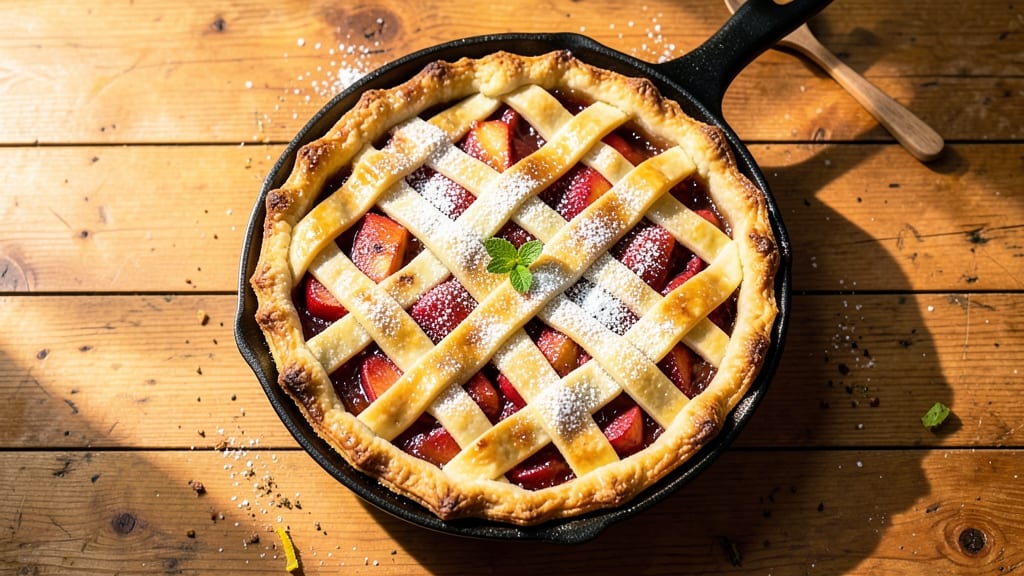
A 9-inch double crust pie with lattice mastery transforms dessert into an art form—flaky, golden layers that encase a perfect filling. The secret lies in precise dough technique: cold butter, gentle handling, and a lattice that creates crisp edges while keeping the center tender.
I’ve perfected this method after years of trial (and a few burnt crusts), ensuring every slice delivers restaurant-quality results.
The dough starts with a simple ratio of flour, butter, and ice water—never warm ingredients, or the flakiness disappears. Rolling the crust evenly is critical, and the lattice pattern isn’t just decorative; it regulates airflow for even baking.
For fillings, classic apple or peach work beautifully, but savory options like chicken pot pie also shine with this structure.
By the time it emerges from the oven, your pie will have a caramelized crust with a crisp yet tender bite, while the filling remains perfectly set—not soggy, not undercooked. The lattice adds visual appeal without sacrificing structure, making it ideal for holidays or impressing guests.
Ready to master the technique? Let’s break down each step—from dough to lattice—to ensure your pie turns out flawless every time. The key is patience and precision, but the reward is worth it.
Ingredients for 9 double crust pie
Flaky crusts and golden lattice require precise ingredients—cold butter, sifted flour, and perfect fillings.
| Ingredient | Amount | Notes |
|---|---|---|
| All-Purpose Flour 🌾 | 4 cups | Sifted for light texture |
| Unsalted Butter 🧈 | 1 cup | Cold, cubed for flakiness |
| Ice Water 💧 | ½ cup | Chilled for precise handling |
| Salt 🧂 | ½ tsp | Kosher or sea salt |
| Granulated Sugar 🍚 | ¼ cup | For crust sweetness |
| Apple Pie Filling 🍎 | 7 cups | Classic or homemade |
| Egg Yolk 🥚 | 1 whole | For egg wash |
| Milk 🥛 | 1 tbsp | For egg wash |
| Coarse Sugar 🍚 | 2 tbsp | For lattice sprinkle |
| Granulated Sugar (extra) 🍚 | 1 tbsp | For filling topping |
| Cinnamon 🌿 | 1 tsp | Ground for filling |
| Lemon Juice 🍋 | 1 tbsp | For filling brightness |
The butter is non-negotiable—European-style unsalted like Plugrá or Land O'Lakes works best. Keep it cold until the last moment; even slightly warm butter ruins flakiness. For flour, King Arthur or Gold Medal brands are ideal—they absorb moisture evenly. The ice water must be actual ice cubes melted into water (no warm water). Pro tip: Use a food processor for the dough—it’s faster and more consistent than hand mixing. If you’re short on time, Trader Joe’s sells pre-made pie crusts that work in a pinch, though nothing beats homemade.
No apples? Peaches or berries work beautifully—just adjust the sugar to taste. For savory pies, swap the filling for chicken and veggies with a herb crust. The egg wash is essential for that golden finish; if you’re vegan, use plant-based milk + 1 tbsp oil. The coarse sugar on the lattice isn’t just decoration—it caramelizes for extra crunch. For the filling, San Marzano tomatoes add depth to savory pies, while Braeburn apples hold their shape best in classic desserts. If your dough cracks during rolling, chill it for 15 minutes before proceeding.
Dough can be made 2 days ahead and stored wrapped in plastic in the fridge. Fillings should be prepped the day of baking to avoid soggy crusts. Once baked, pies stay fresh for 3 days at room temperature or 1 week refrigerated. For lattice, cut strips 1/4-inch wide—any wider and they won’t crisp properly. Freeze unbaked pies (with filling) for 2 months200°F oven for 10 minutes—just enough to warm without drying.
Why You'll Love This Recipe
- No-Fuss Dough: I swear by this crust—just flour, butter, and ice water. The cold butter cuts in smooth, and the dough comes together faster than I can wipe flour off my counter. No food processor, no stress.
- Golden Crust Magic: That buttery, flaky top with the tender bottom? It’s the kind of crust that makes you pause mid-slice. The sugar in the filling caramelizes just enough to give it a subtle sweetness, even if you’re making a savory pie.
- Fill-It All: Between us, this crust works for everything. Pumpkin in fall, apple in winter, or even a rich chicken pot pie when it’s cold. The double layer means it holds up to thick fillings without getting soggy—no more watery pie disasters.
- Budget Buster: Flour, butter, sugar—these are pantry staples. I can make three pies for the price of one store-bought crust, and they’ll still taste better. Plus, leftovers? They keep for days, so I’m never scrambling for dessert.
Step-by-step instructions for lattice-topped apple pie
Master the art of golden crusts and precise latticework with these clear, professional techniques.
Prepare the Pie Dough for Maximum Flakiness
In a large mixing bowl, combine the 4 cups All-Purpose Flour and 0.5 tsp Salt. Cut in the 1 cup Unsalted Butter using a pastry cutter or your fingers until the mixture resembles coarse crumbs with pea-sized butter pieces. This texture is crucial—it ensures proper flakiness when baked.
Add the 0.25 cup Granulated Sugar and mix gently with a fork. Gradually sprinkle in the 0.5 cup Ice Water, 1 tablespoon at a time, mixing just until the dough comes together. Avoid overworking the dough—handle it only enough to form a shaggy mass. Divide the dough into two equal portions and flatten into discs. Wrap each in plastic wrap and refrigerate for at least 1 hour or up to 48 hours. Cold dough is easier to roll and prevents shrinking.
Roll and Fit the Bottom Crust
On a lightly floured surface, roll out one dough disc into a 12-inch circle, about 1/8-inch thick. Gently transfer the rolled crust to a 9-inch pie dish, centering it carefully. Trim the excess dough, leaving about 1/2-inch overhang. Press the edges firmly against the pie dish to create a seal. Prick the bottom crust all over with a fork to prevent puffing during baking.
I like to use a pie weight or dried beans to pre-bake the bottom crust for 15 minutes at 375°F before adding filling. This ensures a crisp base without sogginess. Remove the pie weight and let the crust cool slightly before proceeding. If you don't pre-bake, be extra careful not to overfill the pie—leave about 1/2-inch headspace for the lattice to sit properly.
Assemble the Filling and Prepare the Top Crust
In a medium bowl, combine the 7 cups Apple Pie Filling with the 1 tbsp Lemon Juice and 1 tsp Cinnamon. Stir gently to distribute the flavors evenly. Spoon the filling into the pre-baked crust, mounding it slightly in the center. Sprinkle the 1 tbsp Granulated Sugar (extra) evenly over the filling for that classic caramelized crust.
Roll out the second dough disc into another 12-inch circle. For the lattice, cut the dough into 1-inch wide strips using a sharp knife or pastry wheel. I find it easiest to make 6 strips (3 vertical and 3 horizontal) for a classic look. Arrange the strips in a herringbone pattern over the filling, leaving the center open. Trim any overhanging edges neatly with kitchen shears.
Create the Signature Lattice Pattern
Brush the lattice strips with a mixture of the 1 whole Egg Yolk and 1 tbsp Milk for a golden finish. Sprinkle the 2 tbsp Coarse Sugar evenly over the lattice—this creates beautiful caramelized spots when baked. The sugar will melt and form glass-like crystals as it cooks, adding texture and sweetness.
Fold the overhanging bottom crust up toward the lattice in even layers. Crimp the edges decoratively using your fingers or a fork. Brush the folded edge with the egg wash for extra shine. Place the pie on a parchment-lined baking sheet to catch any drips. Bake at 375°F for 45-55 minutes, until the crust is deep golden brown and the filling is bubbling through the lattice openings.
Finish and Rest for Perfect Texture
Remove the pie from the oven and let it cool on a wire rack for 2 hours before slicing. This resting period allows the filling to set properly and prevents the lattice from becoming soggy. The crust should be crisp, the lattice perfectly caramelized, and the filling thickened to a perfect consistency.
For serving, use a sharp knife and dip it in hot water between slices to ensure clean cuts. Each piece should reveal the beautiful lattice pattern, crisp crust, and perfectly spiced apple filling. The combination of the buttery crust, caramelized sugar spots, and tender filling makes this pie a showstopper every time.
Pro Tips For Making 9 Double Crust Pie
- Chill the Dough Properly: I learned this the hard way—skipping the 30-minute rest in the fridge makes the butter in the crust melt unevenly, leading to soggy spots. Wrap the dough tightly in plastic and let it sit in the coldest part of your fridge (usually the back shelf) while you prep the filling.
- Use Ice Water, Not Cold: The butter in your crust needs the shock of ice water to create flaky layers, not just cold. Fill a glass with ice cubes and water, then use that to mix your dough—no need to melt the ice, just stir it in. This keeps the butter firm longer, which is non-negotiable for a crisp crust.
- Prevent Overfilling the Pie: A full pie shell is tempting, but stuffing it past the rim guarantees a messy spillover. Fill the bottom crust only ¾ full, then add the top crust. Press the edges together with a fork to seal—this also creates that classic lattice look without extra effort.
- Blind-Bake the Bottom: If your filling is wet (like a custard or fruit pie), blind-bake the bottom crust for 10 minutes at 375°F (190°C) with pie weights or dried beans. This prevents a gummy crust later. Just poke holes in the dough first so steam can escape—no one likes a soggy bottom.
Creative variations of this 9 double crust pie
Classic Apple Pie
This timeless version uses Braeburn apples for their firm texture and sweet-tart balance. Toss them with 1/3 cup brown sugar, 2 tbsp lemon juice, and 1 tsp cinnamon before baking.
For extra depth, add 1/4 tsp nutmeg and a pinch of cardamom. The lattice pattern creates stunning visual contrast against the golden crust. 🍎
Savory Chicken Pot Pie
Swap the apple filling for a rich, herbed chicken mixture. Sauté 2 cups shredded rotisserie chicken, 1 cup diced carrots, 1 cup peas, and 1/2 cup diced celery with 2 tbsp butter.
Season with 1 tsp thyme, 1 tsp rosemary, and 1/2 tsp black pepper. Top with a creamy sauce made from 1/2 cup heavy cream and 1 tbsp flour. The lattice still adds elegance while keeping the filling visible.
Berry Summer Delight
Create a vibrant lattice pie using 2 cups mixed berries (strawberries, blueberries, raspberries). Toss them with 1/4 cup honey, 1 tbsp cornstarch, and a splash of berry liqueur for sophistication.
The lattice allows the berries to peek through while keeping them juicy. Add 1/2 tsp vanilla extract to the dough for extra fragrance. Perfect for summer gatherings! 🌸
Pumpkin Spice Wonder
Transform your pie into a seasonal favorite with a spiced pumpkin filling. Mix 1.5 cups pumpkin puree, 1/2 cup maple syrup, 1/2 cup heavy cream, 1 tsp ginger, and 1/2 tsp cloves.
The lattice creates beautiful contrast against the orange-hued filling. Top with a sprinkle of crushed pecans before baking for added crunch. Ideal for fall holidays!
Lemon Blueberry Twist
Brighten up your pie with a zesty lemon-blueberry filling. Combine 2 cups blueberries, 1/2 cup lemon curd, 1/4 cup powdered sugar, and 1 tbsp lemon zest. The lattice lets the vibrant colors shine through while keeping the filling intact.
Finish with a drizzle of lemon glaze (powdered sugar + lemon juice) after baking for extra shine. A refreshing dessert option! 🍋
Savory Mushroom Galette
For a rustic twist, create a mushroom galette using the same dough. Sauté 1.5 lbs wild mushrooms with 2 tbsp butter, 3 garlic cloves, and 1 tbsp thyme. Mix with 1/2 cup cream and 1/4 cup grated Gruyère cheese.
Roll out one dough disc, place the filling in the center, fold the edges, and crimp to seal. No lattice needed—just a beautiful, rustic shape with crisp edges. Perfect for a cozy dinner! 🍄
Nutrition facts
Frequently asked questions
Can I make this double crust pie without a food processor?
Use a pastry cutter or your fingers to work the cold butter into the flour until it resembles coarse crumbs with pea-sized pieces. The key is to handle the dough as little as possible—just until it comes together. For extra flakiness, chill the dough between folds if needed.
How do I prevent my lattice from getting soggy?
Pre-bake the bottom crust for 15 minutes at 375°F with pie weights or dried beans to create a crisp base. After adding filling, brush the lattice strips with egg wash and sprinkle coarse sugar for caramelization. Most importantly, let the pie cool completely for 2 hours before slicing—this helps the filling set properly.
What's the best way to handle sticky pie dough?
Keep your work surface and rolling pin dusted with flour, but don't overdo it—too much flour makes the dough tough. If the dough sticks, wet your fingers slightly and gently lift it. For extra insurance, chill the dough for 15 minutes before rolling. Remember, cold dough is easier to handle and less likely to shrink.
Can I use this recipe for a savory pie instead of dessert?
Yes! The same crust technique works perfectly for savory pies like chicken pot pie or mushroom galette. Just swap the filling ingredients and adjust seasonings—herbs like thyme and rosemary work beautifully. The lattice adds visual appeal while keeping the filling visible. For extra crispness, brush the lattice with olive oil before baking.
How do I fix a cracked or shrinking crust?
If your crust cracks during baking, it's usually from uneven rolling or not enough chilling. For minor cracks, brush with egg wash and bake as usual—they'll be hidden by the golden finish. For prevention: roll the dough evenly, keep it cold, and avoid overfilling. If the crust shrinks, gently press it back into place before baking or use a pie crust shield to support the edges.