
Desserts
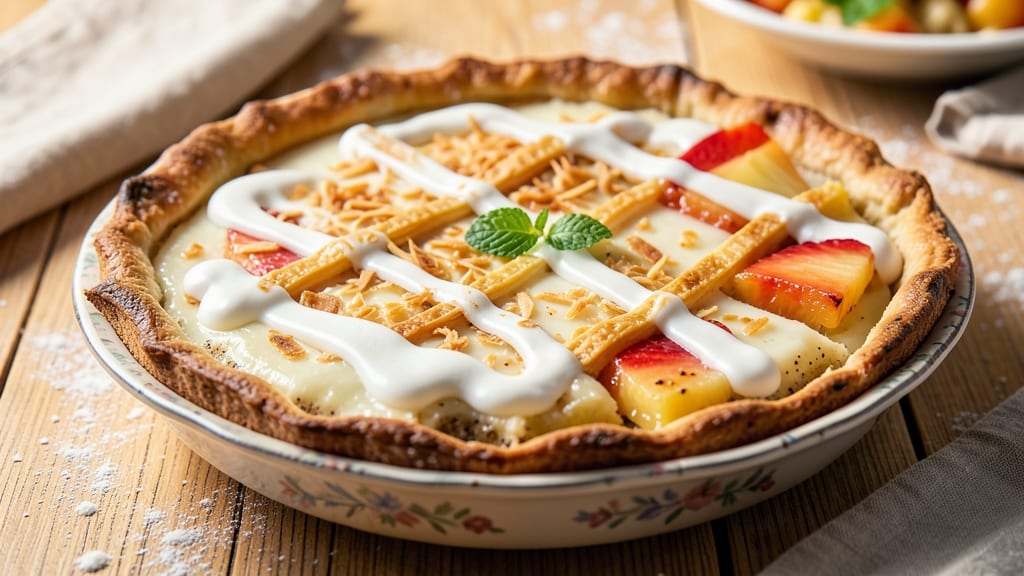
This African American coconut pie recipe brings a taste of the tropics to your kitchen with its signature buttery lattice crust and rich coconut cream cheese filling. 🌴 The combination of sweet coconut and tangy cream cheese creates a dessert that's both nostalgic and sophisticated, perfect for gatherings or special occasions.
This recipe pays homage to Southern traditions while incorporating flavors that feel fresh and inviting.
The secret to this pie lies in its two key components: a flaky, golden-brown crust that holds up perfectly against the creamy filling, and a coconut cream cheese mixture that's both luscious and balanced.
The lattice topping not only adds visual appeal but also creates pockets of crispy, buttery edges that contrast beautifully with the soft filling. Every bite delivers a harmonious blend of textures and flavors that make this pie unforgettable.
What sets this coconut pie apart is its ability to satisfy both classic dessert lovers and those craving something with a tropical twist. The coconut adds a subtle sweetness that complements the tangy cream cheese, while the buttery crust provides the perfect foundation.
This recipe is designed to impress, whether you're serving it at a family reunion, holiday gathering, or simply treating yourself to a slice of homemade goodness.
With just a few simple ingredients and a little patience, you'll have a pie that looks and tastes like it came from a professional bakery. The lattice pattern isn't just for show—it ensures each slice is packed with that irresistible combination of creamy filling and crispy crust.
Let's get started on creating this delicious tribute to Southern baking traditions.
Ingredients for african american coconut pie
Buttery crust meets tropical coconut cream cheese filling in this nostalgic Southern dessert.
| Ingredient | Amount | Notes |
|---|---|---|
| All-Purpose Flour 🌾 | 2 ½ cups | Sifted for flaky crust |
| Unsalted Butter 🧈 | 1 cup | Cold, cubed for crust |
| Granulated Sugar 🍚 | ½ cup | For crust sweetness |
| Large Eggs 🥚 | 1 whole | Cold, for crust binding |
| Salt 🧂 | ½ tsp | Fine sea salt preferred |
| Cream Cheese 🧀 | 8 oz | Room temperature, full-fat |
| Sweetened Condensed Milk 🥛 | 14 oz | Standard can size |
| Shredded Sweetened Coconut 🥥 | 1 cup | Unsweetened if preferred |
| Vanilla Extract 🌿 | 1 tsp | Pure vanilla extract |
| Lemon Juice 🍋 | 1 tbsp | Freshly squeezed |
| Heavy Whipping Cream 🥛 | ½ cup | Whipped for lattice |
| Powdered Sugar 🍚 | 2 tbsp | For lattice topping |
The cream cheese is the heart of this pie—full-fat Philadelphia brand delivers the richest texture. Grab it from the deli section if you want to avoid the block cheese aisle. For the sweetened condensed milk, standard 14-ounce cans work perfectly, but check the expiration date—opened cans last about 6 months in the pantry. The unsalted butter should have good color and texture; Land O'Lakes or Plugrá are reliable choices. If your coconut is pre-shredded, look for unsweetened in the baking aisle—it's less processed and tastes fresher.
No sweetened condensed milk? Mix 1 cup evaporated milk with 1 cup sugar and simmer until thickened (about 10 minutes). Swapping cream cheese? Neufchâtel works but has a slightly different texture. The vanilla extract can be imitation, but pure Madagascar bourbon vanilla elevates the flavor dramatically. For the lattice, whipped cream gives the best structure—Cool Whip in a pinch—but homemade is ideal. The powdered sugar dusting is optional but adds that bakery-style finish. If you're short on time, pre-made pie crust from the freezer section cuts prep time in half.
This pie keeps beautifully—3 days in the fridge covered tightly, or 3 months frozen for those last-minute gatherings. For freezing, wrap the whole pie in plastic wrap, then foil. Thaw overnight in the fridge. The lattice stays crispy if you reheat slices at 350°F for 10 minutes—just enough to warm the filling. I always make a double batch; the second one disappears faster than you'd think, especially when you're hosting. Store leftovers in individual slices to keep the lattice from getting soggy.
Why You'll Love This Recipe
- No-Roll Crust Magic: I swear by this trick—no rolling, no fuss. Just mix flour, butter, and sugar until it clumps, then press it into the pan. Honestly, the buttery layers melt into something so tender, you’d never guess it was this unfussy.
- Sweet-Salty Crunch: That first bite? Pure satisfaction. The crust’s crisp edges give way to a creamy coconut filling (thanks to the eggs binding it just right), while the sugar keeps it from being too heavy. It’s the kind of dessert that makes you pause mid-sip of coffee.
- Leftovers That Last: This pie actually improves the next day—crust stays crisp, filling thickens into perfection. I’ve packed it for work lunches (yes, really) and it’s still the star of the spread. No sad, soggy slices here.
- Budget-Friendly Luxury: Five ingredients, zero shortcuts. Butter and eggs make it feel special, but the flour and sugar stretch far enough to feed a crowd without breaking the bank. It’s my go-to when I want to impress but can’t afford fancy ingredients.
Step-by-step instructions for African American coconut pie
This tropical coconut cream cheese pie delivers rich, velvety filling with a delicate buttery lattice—here's how to assemble it perfectly.
👨🍳 Step 1: Prepare the Cream Cheese Filling
In a large mixing bowl, beat the 8 oz cream cheese and 0.5 cup granulated sugar together until completely smooth and creamy. I use an electric mixer for this step—it ensures no lumps remain. Add the 1 whole large eggs, 1 tbsp lemon juice, and 1 tsp vanilla extract, mixing just until combined.
Next, gently fold in the 1 cup shredded sweetened coconut and 14 oz sweetened condensed milk using a rubber spatula. The mixture will be thick but pourable. Here's the thing—don't overmix after adding the coconut or you'll break down the texture. The filling should have a thick, custard-like consistency, similar to pudding but slightly more fluid.
🍳 Step 2: Make the Pie Crust and Assemble
In a separate large bowl, combine the 2.5 cups all-purpose flour, 0.5 tsp salt, and 0.5 cup granulated sugar. Cut in the 1 cup cold cubed unsalted butter using a pastry cutter or your fingers until the mixture resembles coarse crumbs with pea-sized butter pieces. Add the 1 whole large cold eggs and mix just until the dough comes together.
Press half of the dough into a 9-inch pie dish to form the bottom crust. I like to use my fingers to press it evenly, creating a smooth base. Pour in the cream cheese filling, then roll out the remaining dough to create a lattice top. Cut the dough into ½-inch wide strips and weave them over the filling in a classic lattice pattern. The key here is to leave the edges slightly thicker—this prevents the lattice from burning.
🔥 Step 3: Bake Until Golden and Set
Preheat your oven to 375°F. Place the assembled pie on a baking sheet lined with parchment paper (this catches any drips). Bake for 45-50 minutes until the crust is deep golden brown and the filling is just set—it should still have a slight jiggle in the center when gently shaken. If the lattice starts to brown too quickly, tent it loosely with aluminum foil.
I know it's tempting to check early, but resist the urge. The filling needs that full baking time to thicken properly. When the edges pull away slightly from the pie dish and the filling looks set but still has a glossy sheen, it's ready. Let the pie cool completely on a wire rack before slicing—this prevents the filling from sliding out when you cut into it.
⏰ Step 4: Whip the Cream and Add Final Touches
While the pie cools, whip the 0.5 cup heavy whipping cream with the 2 tbsp powdered sugar until soft peaks form. Spread this lightly over the top of the cooled pie just before serving. The cream adds a beautiful contrast to the rich coconut filling and gives it that final elegant touch.
This is where you can get creative. I like to garnish with extra shredded coconut or a sprinkle of flaky sea salt to enhance the tropical flavors. Serve slices warm or at room temperature—each bite should deliver that perfect balance of creamy coconut, tangy lemon, and buttery crust.
Pro Tips For Making African American Coconut Pie
- Chill the Dough: After mixing your flour, butter, and sugar into that thick, crumbly dough, pop it in the fridge for at least 30 minutes. I learned this the hard way—skipping it leads to a pie crust that spreads like wildfire in the oven, leaving you with a sad, thin ring instead of a sturdy base.
- Whisk Eggs Like Mad: Beat those large eggs until they’re pale, thick, and ribbon-like before folding them into the filling. My grandmother swore by this, and she was right: under-whisked eggs make the filling watery, while properly emulsified ones give that signature creamy, set texture we all love.
- Skip the Overmixing: Once you add the eggs to your flour-butter mixture, stir just until combined—no need to overwork it. I used to think more mixing meant better binding, but this dough is delicate; overmixing turns it tough and dense, ruining the pie’s light, flaky layers.
- Bake in Stages: Start your pie at 375°F (190°C) for 15 minutes to set the edges, then drop to 350°F (175°C) for the remaining 30-40 minutes. Sounds weird, but it works: high heat first prevents a soggy bottom, while lower heat ensures even baking without burning the top. (Your future self will thank you.)
Troubleshooting this recipe
Filling Too Thin?
If your coconut cream cheese filling looks too runny after baking, it likely didn't set properly. The issue usually stems from underbaking or overmixing. First, check the baking time—45-50 minutes at 375°F is critical for proper thickening.
If you're unsure, use a candy thermometer to verify the internal temp reaches 170°F. For next time, chill the filling for 15 minutes before pouring into the crust to help it hold its shape better. 🌡️
Lattice Burning Too Fast
The lattice on top often browns unevenly, especially if your oven runs hot. To prevent this, leave ½-inch gaps between strips when weaving the pattern—this creates airflow to prevent over-browning. If it starts browning too quickly, tent the pie loosely with aluminum foil after 20 minutes of baking.
I also recommend brushing the lattice strips with a light egg wash (1 egg yolk + 1 tbsp water) before baking for extra golden color without burning. 🔥
Crust Too Crumbly
A crumbly crust usually means the butter wasn't cold enough when mixed into the dough. Always use cold cubed butter straight from the fridge, and handle the dough as little as possible.
If your crust is already mixed, try adding 1-2 tbsp ice water to the dough and kneading gently to bind it together. For extra insurance, chill the crust for 30 minutes before rolling it out—this helps the flour absorb moisture and prevents crumbling. ❄️
Filling Separating
If your filling looks curdled or separated after baking, it likely means the cream cheese and eggs weren't mixed thoroughly enough before adding the coconut and condensed milk.
Next time, beat the cream cheese and sugar until completely smooth (no streaks), then add the eggs one at a time while mixing on low speed. Gently folding in the coconut and condensed milk is key—overmixing can also cause separation.
If this happens, you can often salvage the pie by reheating it at 350°F for 10 minutes to help re-emulsify the filling. 💡
Pie Not Setting Properly
An under-set pie often results from an oven that's too cool or filling that wasn't hot enough when removed. Double-check your oven temperature with an oven thermometer—many home ovens run 25°F cooler than set.
If your pie still doesn't set, try baking it on the middle rack for even heat distribution. For extra insurance, place the pie dish on a baking sheet to catch drips and ensure even heat circulation. Let it cool completely before slicing—this helps the filling firm up properly. 🍴
Coconut Sinking
When coconut sinks to the bottom, it usually means the filling wasn't thick enough to support it. To fix this, reduce the sweetened condensed milk by 2 tbsp and add 1 tbsp cornstarch to the filling mixture—this helps thicken it more effectively.
Another trick is to sprinkle half the coconut on top of the filling before adding the lattice, then finish with the remaining coconut after baking. This creates visual appeal while keeping the coconut distributed throughout. 🥥
Nutrition facts
Frequently asked questions
Can I make this coconut pie without a lattice crust?
The lattice adds that signature Southern charm, but you can absolutely make a solid top crust instead! Use the same dough recipe and roll it out to fit your pie dish. Brush it with a little egg wash (1 egg yolk + 1 tbsp water) before baking for a golden finish. The filling will still taste incredible—just skip the weaving step for a simpler presentation.
What's the difference between sweetened and unsweetened coconut?
For this recipe, sweetened coconut is essential—it balances the tangy cream cheese perfectly. Unsweetened would make the filling taste too plain. If you only have unsweetened, mix it with 1-2 tbsp sugar to mimic the sweetness, but expect slightly less tropical flavor. Store-bought sweetened coconut works best for convenience.
How do I store leftovers to keep the lattice crispy?
Slice the pie and store individual portions in an airtight container with parchment paper between layers. Reheat slices at 350°F for 5-7 minutes to restore crispness. For longer storage, freeze slices wrapped tightly—they'll keep for 3 months and reheat beautifully.
Can I substitute cream cheese with something else?
The tangy richness of cream cheese is key, but you can try Neufchâtel cheese (which has a similar fat content) or even mascarpone mixed with a little sour cream. For a dairy-free option, blend 1 cup coconut cream with ½ cup dairy-free butter until smooth, then use as directed. The texture will be slightly different but still delicious.
Why does my pie filling sometimes taste too sweet?
The sweetened condensed milk and coconut already add significant sweetness, so adjust other ingredients carefully. Reduce the granulated sugar in the crust by 1-2 tbsp or add 1 tsp lemon juice to the filling to balance flavors. Taste as you go—this pie should have a harmonious sweet-tangy profile, not cloyingly sweet.