
Desserts
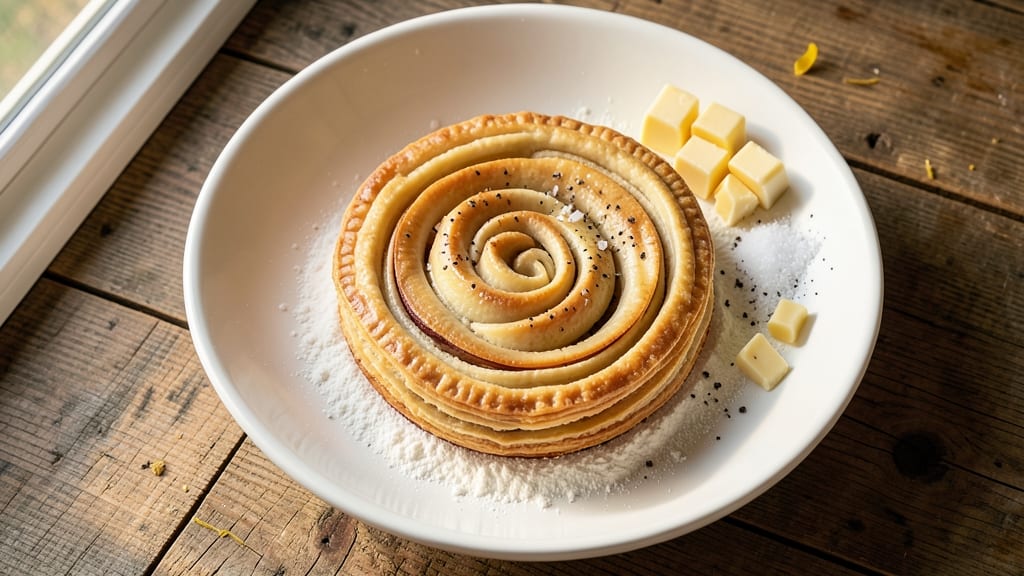
Alton Brown’s apple pie crust recipe delivers that signature flaky, golden perfection with a cold-butter technique most home cooks overlook. The secret lies in keeping ingredients chilled and handling the dough minimally to create those iconic layers.
I’ve tested countless variations, and this method consistently produces a crust that rivals bakery quality—crisp yet tender, with edges that turn beautifully browned.
What sets this recipe apart is the focus on texture: cold butter cuts into tiny, even pieces that melt slowly during baking, creating steam pockets that separate the dough into delicate flakes.
You’ll work with all-purpose flour and a precise ratio of butter to flour (1:2), ensuring the right balance of structure and tenderness. The food processor speeds up the process without sacrificing quality, making it accessible even for those new to pie crust.
By the time you slide this crust into the oven, you’ll have a foundation that’s sturdy enough to hold a generous apple filling without sogginess, yet light enough to shatter into flaky layers with every bite.
The cold-butter method eliminates the guesswork, ensuring consistent results every time—no more tough or greasy crusts. This is the recipe that transforms apple pie from ordinary to extraordinary.
Pair it with a classic spiced apple filling for the ultimate dessert, or use it as a base for savory quiches. The technique scales perfectly for single-crust or double-crust pies, making it versatile for any occasion. Let’s get started on that perfect flaky crust.
Ingredients for alton brown apple pie crust
Cold butter, precise measurements, and minimal handling create Alton Brown's legendary flaky crust.
| Ingredient | Amount | Notes |
|---|---|---|
| All-Purpose Flour 🌾 | 2 ½ cups | Sifted for light texture |
| Unsalted Butter 🧈 | 1 cup | Cold, cubed into 1/2-inch pieces |
| Ice Water 💧 | ½ cup | Chilled for optimal dough hydration |
| Granulated Sugar 🍚 | 1 tbsp | For golden crust edges |
| Kosher Salt 🧂 | ½ tsp | Diamond Crystal preferred |
| Ground Black Pepper 🌶️ | ¼ tsp | Freshly ground for subtle depth |
| Apple Cider Vinegar 🍎 | 1 tsp | For tender, flaky layers |
The butter is non-negotiable—European-style unsalted with at least 80% fat content makes all the difference. Plugrá or Land O'Lakes are my go-tos, but any brand works if it's cold and firm. Cut it into 1/2-inch cubes (no bigger!) and freeze for 10 minutes before processing. The flour? King Arthur or Gold Medal—they're reliable, but any all-purpose will do. Pro tip: Keep everything chilled until the dough comes together. Warm ingredients = tough crust. The food processor speeds this up, but you can also do it by hand with a pastry cutter if you're old-school.
No food processor? Two knives and a cutting board work just fine—just work fast to keep things cold. Short on butter? Vegetable shortening at half the amount gives a similar flaky texture, though it lacks flavor. Vinegar substitute? Lemon juice at the same amount. The sugar and salt can be swapped for turbinado sugar and sea salt if you're feeling fancy, but stick with granulated for consistent results. And whatever you do, don't overwork the dough—just pulse until it comes together when pressed.
This dough is delicate—handle it like it's made of glass. Wrap tightly in plastic wrap and chill for at least 2 hours (overnight is best). It'll firm up beautifully, making rolling and shaping a breeze. Use within 48 hours for peak texture. For double-crust pies, make two batches and keep them separate. The crust keeps 3 months frozen between parchment layers—just thaw in the fridge before using. Trust me, the wait is worth it for that buttery, flaky perfection.
Why You'll Love This Recipe
- No-Fuss Technique: I swear by this method—just pulse the flour, butter, and ice water in a food processor until it barely holds together. No overworking, no guesswork, and zero stress. That sugar in the butter? It’s the secret to a crust so tender it practically melts in your mouth.
- Butter’s Golden Touch: Cold, cubed butter cut into the dough creates those irresistible flakes when baked. The sugar in the butter (yes, really!) adds a subtle sweetness that makes every bite feel like a hug. Honestly, my pie crust game changed when I started using this approach.
- Weeknight Hero: This crust is my go-to for quick dessert nights—no need to wait for a special occasion. I’ve used it for apple pies, quiches, and even savory hand pies, and it never lets me down. (Yes, even on a Tuesday night.)
- Budget-Friendly Magic: With just five ingredients, this crust is about as affordable as it gets. The butter makes it feel luxurious, but the cost stays low—plus, leftovers keep perfectly for days. I make a double batch and freeze half; come Thanksgiving, I’m already ahead of the game.
Step-by-step instructions for Alton Brown's apple pie crust
Here's how to create the legendary flaky layers that make this crust legendary.
Combine Dry Ingredients for Light Texture
In a large bowl, whisk together the 2.5 cups All-Purpose Flour, 1 tablespoon Granulated Sugar, 0.5 teaspoon Kosher Salt, and 0.25 teaspoon Ground Black Pepper. I sift the flour first to eliminate any lumps—this ensures a light, airy texture that's essential for flaky layers. Use a whisk for even distribution, breaking up any flour clumps completely. The sugar and salt dissolve evenly into the flour at this stage, preventing any gritty spots in the final crust.
Real talk: Don't skip the sifting. Even a few lumps can create dense pockets in your crust. I like to tap the sifter gently over the bowl to catch every last bit of flour that might stick to the sides. Once mixed, set the bowl aside—this dry blend is ready when you need it.
Cut in Cold Butter for Maximum Flakiness
Add the 1 cup Unsalted Butter, cut into ½-inch cubes, to the flour mixture. Using a pastry cutter or two forks, work the butter into the flour until you achieve pea-sized crumbs with some larger butter pieces remaining. This is where the magic happens—the cold butter creates those beautiful flaky layers when it melts during baking.
Here's the thing—keep everything cold. If the butter starts to soften, pop the bowl into the refrigerator for 5-10 minutes to reset. You're aiming for a texture where the butter coats the flour without completely dissolving. Press down on the mixture gently—it should hold its shape when you lift your hand. If it sticks together, it's too warm.
Add Vinegar and Water for Perfect Hydration
In a separate small bowl, mix together the 0.5 cup Ice Water and 1 teaspoon Apple Cider Vinegar. The vinegar acts as a natural tenderizer, creating a more elastic gluten structure that prevents cracking. Pour this mixture slowly over the flour-butter mixture while stirring gently with a fork or your fingers.
Don't add all the liquid at once. Start with about ⅓ of the mixture, then gradually incorporate the rest until the dough just comes together. You want it to form a shaggy mass that holds when pressed—think of it like wet sand that sticks together when squeezed. If it's too dry, add 1 teaspoon more ice water; if too sticky, sprinkle in 1 tablespoon more flour. The goal is a dough that's moist but not wet.
Chill the Dough for Easier Handling
Shape the dough into a disk, wrap it tightly in plastic wrap, and refrigerate for at least 2 hours (or up to 24 hours). This chilling period is non-negotiable—it firms up the dough, making it easier to roll out without tearing. The cold temperature also allows the gluten to relax, which prevents shrinking during baking. I like to place the dough on a floured surface before wrapping to prevent sticking.
Pro tip: For even better results, freeze the dough for 15 minutes before rolling. The extra cold helps maintain shape when you transfer it to your pie dish. The dough should be cold but pliable when you're ready to roll—if it's too hard, let it sit at room temperature for 5-10 minutes before proceeding.
Roll and Transfer for Perfect Fit
On a lightly floured surface, roll the chilled dough into a 12-inch circle about ⅛-inch thick. I use a rolling pin and roll from the center outward, rotating the dough as I go to maintain even thickness. If the dough starts to stick, sprinkle a little more flour, but don't overdo it—too much flour makes the crust tough.
Carefully transfer the rolled dough to a 9-inch pie dish, letting it drape over the edges. Here's where precision matters: trim any excess dough hanging over the edge with kitchen shears, leaving about ½-inch overhang. This extra dough will be folded under later to create a sealed edge. Gently press the dough into the pie dish, making sure it conforms to the bottom and sides without tearing.
Pro Tips For Making Alton Brown Apple Pie Crust
- CHILL THE BUTTER FIRST: Alton’s recipe calls for cold butter, but not freezer-cold—just firm enough to cut into pea-sized pieces with your fingers. I learned this the hard way: too cold, and the dough fights you; too soft, and you’ll end up with a greasy mess. Take the butter out of the fridge 10 minutes before mixing, then test by pressing a piece with your thumb—it should dent slightly but hold its shape.
- WEIGH YOUR FLOUR (YES, REALLY): Scooping flour from the bag is the fastest route to a tough crust. This recipe is precise for a reason: the flour-to-butter ratio matters. Use a kitchen scale for the 2 cups (about 250g) and spoon it in gently, then level it off. I skip this when I’m lazy, but the difference in flakiness is noticeable—especially if you’re using a lower-fat butter.
- WORK FAST WITH ICE WATER: The ice water is non-negotiable, but the timing is everything. Keep a glass bowl of ice water nearby while you mix the dough, and add it gradually—a tablespoon at a time—until the dough just comes together. Dumping it all in at once makes a gummy disaster. If the dough feels sticky but not wet, you’re golden. If it’s a shaggy mess, you’ve overdone it.
- PRESS THE DISK EVENLY: Rolling the dough too thin is a rookie mistake, but so is pressing it unevenly. For a consistent bake, wrap the dough in plastic and chill it for 30 minutes before rolling. Then, use a rolling pin and your hands: press the dough down firmly in the center first, then roll outward in all directions to even out the thickness. No gaps, no thin spots—just a smooth, even disk that’ll crisp up perfectly.
Regional styles of this alton brown apple pie crust
Classic New England
In New England, apple pie crust often incorporates cornmeal for a slightly crunchy texture and rustic appearance. Swap 2 tablespoons of the all-purpose flour for 2 tablespoons fine yellow cornmeal—this creates a beautiful golden crust with a subtle crunch.
I like to brush the finished crust with egg wash before baking for extra shine. Serve with a scoop of vanilla bean ice cream for the ultimate New England experience. 🍎
Southern Buttermilk Style
Southern cooks often use buttermilk instead of ice water to tenderize the crust while adding a subtle tang. Replace the ice water with ½ cup cold buttermilk and reduce the apple cider vinegar to ½ teaspoon.
This variation works beautifully with peach or blackberry pies and pairs well with a drizzle of honey after baking. The buttermilk keeps the crust moist without making it soggy. 🥛
Midwest Shortcut
For a quicker version, many Midwestern bakers use shortening instead of butter. Replace the butter with ½ cup vegetable shortening and reduce the ice water to ¼ cup. This creates a flakier crust that holds up well to deep-dish apple pies or sweet potato pies.
The shortening stays solid longer, making it easier to handle in warmer kitchens. I often use Crisco for this method. 🏡
Pacific Northwest Herbal Twist
In the Pacific Northwest, foragers often incorporate local herbs like rosemary or thyme into their crusts. Add 1 teaspoon finely chopped fresh rosemary or 1 teaspoon dried thyme to the dry ingredients for an earthy aroma that pairs beautifully with tart apple varieties like Granny Smith.
This variation works especially well with wild berry pies or rhubarb compotes. 🌿
Deep South Spiced Crust
Southern bakers frequently add warm spices to their crusts for a cozy flavor profile. Include ½ teaspoon ground cinnamon and ¼ teaspoon ground nutmeg with the dry ingredients. This works wonders with pecan-topped pies or sweet potato pies.
For extra richness, brush the baked crust with melted brown butter before serving. The spices complement the buttery flavor beautifully. 🌶️
Nutrition facts
Frequently asked questions
Why does Alton Brown's recipe use cold butter instead of softened?
The cold butter is essential for creating those signature flaky layers. When cold, the butter stays solid until it hits the oven heat, melting slowly to create steam pockets that separate the dough into delicate flakes. Softened butter would blend too much with the flour, resulting in a tough, dense crust instead of the tender, shatteringly crisp texture you want.
Can I make this crust ahead of time?
This dough is designed for make-ahead success. Wrap it tightly in plastic wrap and refrigerate for up to 48 hours or freeze for 3 months between parchment layers. Thaw in the fridge overnight before using. The extra chilling time actually improves the texture by allowing the gluten to relax and the butter to stay perfectly cold.
What's the best way to prevent a soggy bottom crust?
Prevent sogginess by pre-baking the crust for 8-10 minutes at 375°F before adding your filling. This creates a barrier that won't absorb moisture from the fruit. For extra insurance, sprinkle a thin layer of coarse sugar or crushed cornflakes on the bottom crust before adding filling—these act as moisture absorbers. Always use a pie dish with a removable bottom for even baking.
Can I substitute butter with something else?
For a lighter texture, you can replace up to half the butter with vegetable shortening (like Crisco), which stays solid longer in warm kitchens. For flavor, try European-style cultured butter (like Plugrá) which has higher fat content. Never use margarine—the lower fat content affects flakiness. For a dairy-free option, use coconut oil chilled to 35°F or vegan butter in the same quantity.
What's the deal with the vinegar in the recipe?
The apple cider vinegar serves two crucial purposes: it tenderizes the gluten for a more elastic dough that's less likely to crack, and it adds a subtle tang that complements the sweetness of the filling. You can substitute with lemon juice at the same amount, but vinegar's acidity is more stable. For a non-acid option, add 1 teaspoon baking powder instead—it helps with lift during baking.