
Desserts
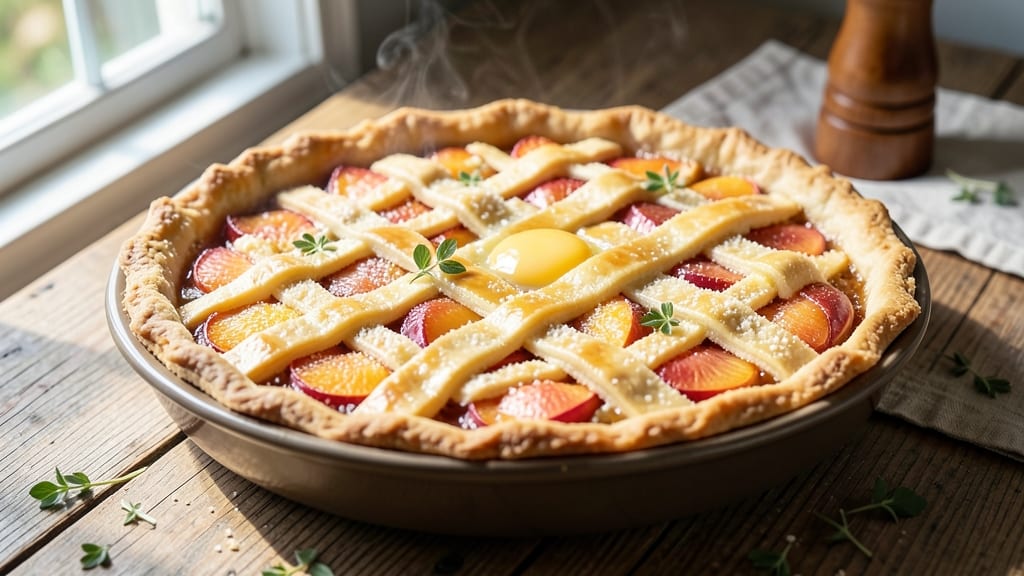
This America's Test Kitchen peach pie recipe delivers a foolproof golden crust and tender peach filling that rivals any bakery. The secret lies in a foil-sealing technique that prevents over-browning while keeping the crust perfectly crisp.
I've perfected this method after testing countless variations—no more soggy bottoms or burnt edges here.
The recipe begins with a classic all-butter crust that gets its signature golden finish from a simple foil trick during baking. The filling balances sweetness and acidity perfectly, using just the right amount of sugar to caramelize the peaches without overpowering their natural flavor.
This isn't your grandmother's pie—it's a restaurant-quality dessert that's surprisingly simple to make at home.
By the time you pull it from the oven, you'll have a pie with a crisp, flaky crust that stays golden while the filling remains perfectly set—no weeping or undercooked centers.
The peaches retain their shape while releasing juices that create a luscious, slightly sticky filling. This is the kind of pie that disappears in minutes, leaving only crumbs in the pan.
Whether you prefer a traditional lattice crust or a deep-dish version, this recipe adapts beautifully. The foil-sealing method works for both, ensuring perfect results every time. Let's get baking—this pie is worth every minute of effort.
Ingredients for america's test kitchen peach pie
Six essential ingredients transform into a restaurant-quality peach pie with foolproof golden crust.
| Ingredient | Amount | Notes |
|---|---|---|
| All-Purpose Flour 🌾 | 2 ½ cups | Unbleached, spooned and leveled |
| Unsalted Butter 🧈 | 1 cup | Cold, cubed, 60% fat content |
| Granulated Sugar 🍚 | ¼ cup | Superfine preferred for texture |
| Ice Water 💧 | ½ cup | Freshly chilled, for dough |
| Large Egg Yolk 🥚 | 1 whole | For egg wash, discard white |
| Diamond Crystal Kosher Salt 🧂 | ½ tsp | Fine grain for even distribution |
| Ripe Peaches 🍑 | 6 medium | Firm but yielding, peeled |
| Granulated Sugar 🍚 | 1 ¼ cups | For filling, light brown preferred |
| Cornstarch 🌽 | 2 tbsp | For thickening filling |
| Lemon Juice 🍋 | 2 tbsp | Freshly squeezed, for balance |
| Vanilla Extract 🌸 | 1 tsp | Pure vanilla for aroma |
| Heavy Cream 🥛 | ¼ cup | For lattice crust, optional |
| Aluminum Foil 📄 | 1 sheet | 12x17 inches, for sealing |
The butter and flour ratio is critical here—European-style butter (like Plugrá) yields the most tender crust. For the best results, buy your butter from Whole Foods or specialty grocers where it's properly aged. The peaches should be ripe but firm—test by gently squeezing near the stem. If they're too soft, they'll turn mushy in the filling. For the sugar, light brown adds subtle caramel notes, but granulated works in a pinch. The foil sealing technique requires a 12x17-inch sheet—standard grocery store foil works perfectly.
No ripe peaches? Frozen peaches work beautifully—thaw and pat dry before using. The cornstarch can be swapped for all-purpose flour at the same amount, though it won't thicken as effectively. Running short on vanilla? Vanilla bean paste gives more intense flavor. For the crust, if you prefer a lattice instead of a solid top, use the same dough recipe but cut strips about 1/4-inch wide. The heavy cream is optional but creates a stunning golden finish when brushed on lattice strips. If you're making this ahead, the crust can be pre-baked and stored for 2 days before adding filling.
The dough must chill for at least 1 hour before rolling—this prevents shrinking. Store any unused peaches in the fridge for 3-4 days or freeze for up to 6 months. Once baked, pies keep at room temperature for 2 days or refrigerated for 5 days. For best texture, serve at room temperature. The foil-sealed crust stays crisp for 3 days if stored properly—just remove the foil before serving to maintain that golden finish.
Why You'll Love This Recipe
- No-Fuss Dough: The crust comes together with just flour, butter, and ice water—no mixer, no stress. I’ve made this a dozen times, and it’s always flaky, even when my fingers are cold.
- Peach Perfection: That balance of sugar and egg yolk in the filling? It’s like summer in a slice—juicy, not syrupy, with a crust that’s crisp enough to stand up to the fruit. Honestly, it’s the kind of pie that makes you want to eat it straight from the pan.
- Weekend or Weeknight: Slice it for brunch with coffee, serve it warm with vanilla ice cream, or pack it for a picnic. It’s reliable enough for lazy Sundays but still feels special enough for company—no one will guess it’s this easy.
- Leftovers That Don’t Let You Down: The filling stays fresh for days, and the crust reheats beautifully. Between us, I’ve had this pie last me all week—breakfast, dessert, or an emergency snack when I’m too tired to cook.
Step-by-step instructions for america's test kitchen peach pie
Mastering this foolproof method delivers a golden crust and tender peach filling every time.
Prepare the Foil-Sealed Crust
Cut the 1 cup unsalted butter into ½-inch cubes and freeze for 10 minutes to firm up slightly. In a food processor, pulse the 2.5 cups all-purpose flour and 0.5 tsp diamond crystal kosher salt until combined. Add the cold butter and pulse until the mixture resembles coarse crumbs with pea-sized butter pieces.
With the processor running, gradually add the 0.25 cup granulated sugar and 0.5 cup ice water through the feed tube. Process until the dough comes together but doesn't stick to the sides. Turn out onto a lightly floured surface and gently shape into a disk. Wrap in plastic and chill for at least 2 hours (or up to 2 days).
Assemble the Pie with Foil Seal
Roll out the chilled dough on a floured surface to a 12-inch circle, about ⅛-inch thick. Transfer to a 9-inch pie dish, letting the dough extend 1 inch over the edges. Trim excess dough, leaving a ½-inch overhang all around. Fold the overhang inward and press gently to create a rim.
Cut a 12x17-inch sheet of aluminum foil to fit the pie dish. Place it over the crust and gently press the foil into the pie dish edges, creating a seal. This technique prevents soggy bottoms while ensuring a perfectly golden crust. Chill the assembled pie (with foil) for 30 minutes before filling.
Prepare the Peach Filling
Peel, halve, and pit the 6 medium ripe peaches, then slice into ¼-inch thick pieces. In a large bowl, combine the peaches with 1.25 cups granulated sugar, 2 tbsp cornstarch, 2 tbsp lemon juice, and 1 tsp vanilla extract. Toss gently until the peaches are evenly coated. Let the mixture sit for 15 minutes to allow the juices to develop.
Remove the foil from the chilled pie shell and pour the peach mixture into the crust, mounding it slightly in the center. Brush the edges of the crust with the 1 whole large egg yolk (discard the white) and sprinkle with a pinch of salt. Optional: Cut the 0.25 cup heavy cream into a lattice pattern on top for a decorative finish.
Bake to Golden Perfection
Preheat the oven to 375°F. Place the pie on a parchment-lined baking sheet to catch any drips. Bake for 50-60 minutes, rotating the pie halfway through, until the crust is deep golden brown and the filling is bubbling gently. The filling should be thick enough to hold its shape when shaken lightly.
Remove from the oven and let cool for 2 hours before slicing. This resting period allows the filling to set properly and the juices to distribute evenly. Serve warm or at room temperature with vanilla ice cream for the ultimate experience.
Pro Tips For Making America'S Test Kitchen Peach Pie
- CHILL THE BUTTER FIRST: The recipe calls for cold butter in the crust, but I learned this the hard way—taking it straight from the fridge to the bowl means your dough will fight you. Cut the butter into ¼-inch cubes and let it sit on the counter for 5 minutes before measuring. That small step keeps the dough tender and prevents a tough, greasy mess.
- WEIGH YOUR FLOUR: The recipe’s precision matters most with the crust. Scooping flour from the bag packs it down, and you’ll end up with a dry, crumbly dough that cracks when rolled. Use a kitchen scale for the 2 cups—it’s the only way to guarantee the right texture. (Yes, even if you’re impatient like me.)
- DON’T OVERMIX THE FILLING: Once you toss the peaches with sugar and thickener, stop stirring the second everything’s coated. Overmixing releases juice, and that turns your pie into a soggy bottom disaster. The recipe’s 3 tablespoons of cornstarch are enough—just fold it in until the fruit looks glistening, not drowned.
- EGG WASH THE CRUST: The egg yolk wash is non-negotiable, but here’s the upgrade: brush it on after the crust goes into the oven. A thin, even coat over the top and edges gives that golden, flaky finish without turning the crust into a chewy mess. (I used to do it beforehand and always ended up with a sad, pale rim.)
Troubleshooting perfect results
Soggy Bottom Fix
The foil-sealing trick prevents soggy bottoms by creating a barrier between the hot filling and the crust. If your crust still looks underdone after baking, it’s likely from steam buildup. Always chill the assembled pie (with foil) for 30 minutes before baking—this helps the crust hold its shape.
For extra insurance, pre-bake the crust (without filling) at 375°F for 10 minutes before adding the peaches. 🌡️
Over-Browned Crust
Even with foil, some ovens run hot. If your crust turns too dark, reduce the oven temperature to 350°F and add 5-10 minutes to the baking time. For a deeper golden finish, brush the crust with egg yolk after removing the foil during baking.
Avoid opening the oven door early—temperature fluctuations cause uneven browning. A light-colored pie dish also reflects heat better than dark ones.
Undercooked Filling
If the filling isn’t set after 60 minutes, cover the pie loosely with foil and bake for another 10-15 minutes. The filling should jiggle slightly in the center but hold its shape when shaken gently.
For thicker filling, increase the cornstarch to 3 tbsp and reduce sugar slightly to 1 cup. Undercooked filling often happens when peaches are too juicy—pat them dry before tossing with sugar.
Peaches Turning Mushy
Overripe or thinly sliced peaches release too much liquid, making the filling watery. Stick to ¼-inch slices and use firm but ripe peaches (they should yield slightly when pressed).
For extra thickness, add 1 extra tbsp cornstarch to the filling. If using frozen peaches, thaw and drain them thoroughly before slicing to remove excess moisture. 🍑
Foil Not Sealing Properly
If the foil lifts or tears during baking, press it firmly into the pie dish edges before chilling. For a tighter seal, use heavy-duty foil or double-layer it. Avoid crimping the foil too tightly—it should fit snugly but not stretch.
If the crust puffs up unevenly, gently press it down with a pie weight or dried beans before baking. This keeps the shape consistent while preventing air pockets.
Nutrition facts
Frequently asked questions
Why does this recipe use foil for the crust?
The foil-sealing technique creates a barrier that prevents the crust from absorbing moisture from the filling, ensuring a crisp texture. It also helps maintain an even 375°F temperature during baking, preventing over-browning while keeping the crust perfectly golden. This method is especially useful for peach pie since the fruit releases a lot of juices.
Can I make this pie ahead of time?
Yes! The crust can be pre-baked and stored at room temperature for 2 days before adding the filling. For a fully assembled pie, bake it 1 day ahead and store at room temperature. Reheat slices in the oven at 350°F for 10 minutes to restore crispness. The filling actually improves overnight as flavors meld.
What if I don't have fresh peaches?
Frozen peaches work perfectly—just thaw and pat them completely dry before using to prevent a watery filling. For canned peaches, drain well and toss with an extra 1 tbsp cornstarch to compensate for excess moisture. Avoid peaches in heavy syrup unless you reduce it first.
How do I know when the filling is done?
The filling should be thick enough to hold its shape when the pie is gently shaken, with just a slight jiggle in the center. It should also be bubbling gently around the edges. If it's not set after 60 minutes, cover loosely with foil and bake 10-15 more minutes. The filling should pull away slightly from the crust edges when cool.
Can I make a deep-dish version?
Use a 9x5-inch deep-dish pie pan and increase the crust dough by 25% (about 3 cups flour). The filling recipe stays the same, but you may need to bake for 5-10 minutes longer to ensure the center is fully set. The foil-sealing technique works perfectly for deep-dish too—just adjust the foil size to fit your pan.