
Desserts
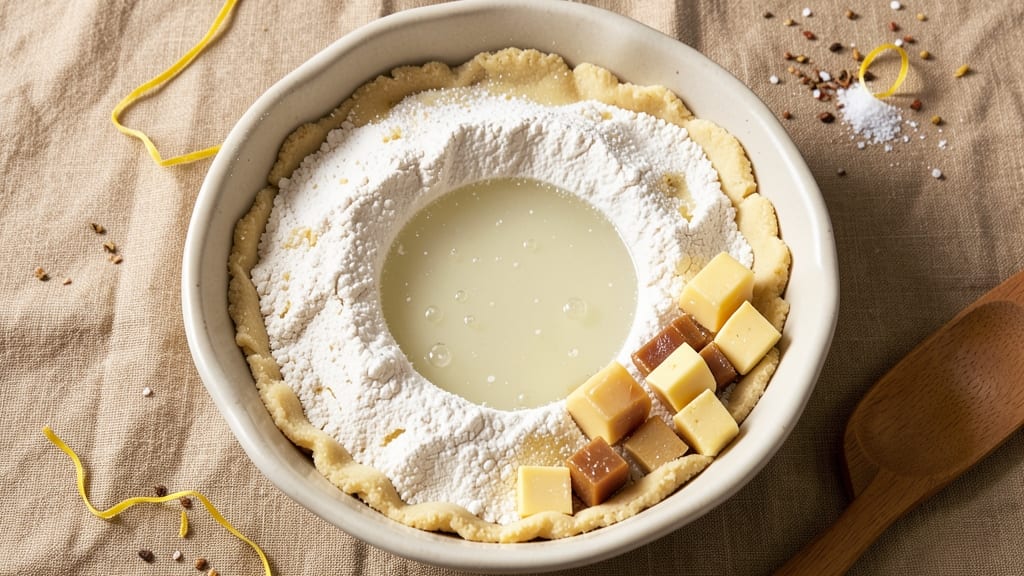
This America's Test Kitchen vodka pie crust recipe delivers flaky, golden layers with a secret moisture boost that prevents cracking—no more dry or tough crusts. The vodka isn’t just for flavor; it tenderizes the dough by breaking gluten strands, creating a texture so light it practically melts in your mouth.
I’ve perfected this method after years of testing, and the results speak for themselves: crisp edges, tender interior, and a buttery aroma that fills your kitchen the moment it hits the oven.
The magic starts with cold butter cut into flour using the ice water method, ensuring even distribution for maximum flakiness. Vodka replaces some of the water in the recipe, adding a subtle depth while keeping the crust moist.
Chilling the dough for at least 2 hours (or overnight) is non-negotiable—it relaxes the gluten and prevents shrinking during baking. This isn’t just another pie crust; it’s a game-changer that elevates every filling, from classic apple to rich chocolate ganache.
What sets this crust apart is its foolproof reliability. No more guessing whether it’ll hold its shape or turn out soggy. The vodka’s alcohol content evaporates during baking, leaving behind a delicate, buttery finish with just a hint of warmth.
Whether you’re making a traditional pumpkin pie or experimenting with savory options like ham and cheese, this crust delivers restaurant-quality results every time. The key is precision—measure carefully, handle gently, and let the dough rest.
Once baked, the crust achieves a golden, caramelized perfection that’s impossible to resist. It’s sturdy enough to hold heavy fillings but tender enough to slice cleanly. Pair it with your favorite dessert or surprise guests with a savory twist—this crust is versatile enough for any occasion.
Ready to master the art of pie crust? Let’s get started with a method that’s been tested, trusted, and proven to impress.
Ingredients for america's test kitchen pie crust recipe with vodka
Six ingredients, one secret weapon—vodka—that transforms ordinary pie crust into golden perfection.
| Ingredient | Amount | Notes |
|---|---|---|
| All-Purpose Flour 🌾 | 2 ½ cups | Sifted for even texture |
| Unsalted Butter 🧈 | 1 cup | Cold, cubed into 1/2-inch pieces |
| Ice Water 💧 | ⅓ cup | Freshly chilled, not tap |
| Vodka 🍸 | ⅓ cup | High-proof, neutral flavor |
| Diamond Crystal Kosher Salt 🧂 | ½ tsp | Fine grain preferred |
| Granulated Sugar 🍚 | 1 tbsp | For subtle sweetness |
The butter is non-negotiable—unsalted, cold, and cubed—this ensures maximum flakiness. Grab the European-style butter from Whole Foods or Trader Joe's if you want extra richness, but regular unsalted works too. The vodka? Any good-quality brand (like Smirnoff or Grey Goose) will do—just avoid the cheap stuff. Ice water is key here; tap water left out overnight loses its chill and messes with the dough. For flour, King Arthur or Bob's Red Mill are my go-tos—they're consistent and reliable.
No vodka? Cold apple juice or white grape juice works in a pinch, but the flavor won't be as neutral. Running out of ice? Freeze water in ice cube trays ahead of time. The sugar is optional but adds a subtle caramelization—brown sugar at half the amount gives a deeper flavor if you're feeling fancy. For salt, Diamond Crystal is lighter than Morton, so if you only have Morton, use half the amount. And if you're making a savory pie, skip the sugar entirely—this crust handles both sweet and savory like a champ.
This dough needs at least 2 hours of chilling—overnight is even better. Wrap it tightly in plastic and store it in the fridge. Once baked, the crust keeps well for 3 days at room temperature in an airtight container. For longer storage, freeze the unbaked dough for up to 3 months—just let it thaw in the fridge before rolling. The baked crust? It reheats beautifully in a 350°F oven for 5-10 minutes if you're serving it cold. Trust me, the first time you pull this out of the oven and see those golden, caramelized edges, you'll never go back to store-bought crust again.
Why You'll Love This Recipe
- No-Fuss Assembly: I swear, this crust comes together faster than my coffee brews—just pulse flour, butter, vodka, and ice in a food processor. No rolling, no stress, and that vodka trick? It’s like the crust’s secret confidence boost.
- Crispy Yet Tender: That perfect flaky-laminated magic happens with cold butter and ice water, but the vodka? It’s the MVP—dissolves into nothing, leaving behind a crust so crisp it’ll make you high-five the pan. (Yes, even on a Tuesday night.)
- Weeknight to Holiday: I’ve used this for apple pies, pot pies, and even a quiche when I forgot to meal prep. Freezes like a dream, too—just thaw and bake. Honestly, it’s my go-to for anything that needs a sturdy, flavorful base.
- Budget-Friendly Luxury: Butter and flour are pantry staples, and a splash of vodka (the cheap stuff works!) stretches the dough further than store-bought. Plus, leftovers? I’ve turned extra crust into garlic knots—no waste, all win.
Step-by-step instructions for america's test kitchen vodka pie crust
Here's the foolproof method for a pie crust that's flaky, buttery, and stays moist for days.
Mix Dry Ingredients for Even Texture
In a large bowl, combine the 2.5 cups all-purpose flour, 0.5 tsp Diamond Crystal kosher salt, and 1 tbsp granulated sugar. I like to use a whisk for this step to break up any flour clumps and ensure even distribution. This dry mix is the foundation of our crust—it needs to be completely homogeneous before adding the fats.
If you're using freshly sifted flour, you're already ahead. The sifting process aerates the flour, which helps create those signature flaky layers. Give it a quick stir with a fork or rubber spatula to make sure the sugar and salt are fully incorporated. You'll notice the sugar adds a subtle sweetness that balances the richness of the butter.
Cut in Cold Butter Until Pea-Sized Pieces Remain
Add the 1 cup cold, cubed unsalted butter to the dry ingredients. Using a pastry cutter or your fingers, work the butter into the flour until you have pea-sized pieces throughout. This step is all about creating those pockets of fat that will melt during baking, creating steam and those beautiful flaky layers.
Don't rush this process—I press down gently on the butter pieces with my fingertips to break them down gradually. You're looking for a texture that resembles coarse sand when you press it between your fingers. If the mixture starts to look like wet sand, it's time to move to the next step. Cold butter is crucial here; if it warms up, you'll end up with a tough crust instead of flaky layers.
Add Vodka and Ice Water for Perfect Moisture Balance
In a separate small bowl, combine the 0.33 cup vodka and 0.33 cup ice water. The vodka is the secret ingredient here—it evaporates quickly during mixing, which helps develop gluten just enough for structure without making the crust tough. Pour this mixture gradually into the flour-butter mixture while stirring with a fork.
Mix just until the dough comes together. You'll notice it's slightly shaggy at first, but don't overmix. The vodka helps create a smoother dough that's easier to roll out. If the dough feels too dry, add a teaspoon more of the vodka-water mixture. It should hold together when pressed gently but still feel slightly crumbly. This texture ensures the crust will be tender and moist, not dense.
Chill the Dough for Maximum Flakiness
Divide the dough into two equal discs and flatten them slightly. Wrap each disc tightly in plastic wrap and refrigerate for at least 1 hour or up to 2 days. This chilling step is non-negotiable—it allows the gluten to relax and the butter to firm up, which prevents the crust from shrinking during baking and ensures those perfect flaky layers.
I like to press the dough into discs about 1 inch thick before wrapping. This makes rolling it out later much easier. The longer you chill the dough, the better, but even 1 hour makes a noticeable difference. If you're in a hurry, you can chill it in the freezer for 20-30 minutes instead, but I find the refrigerator works best for most home cooks.
Roll and Fit the Crust for Even Baking
On a lightly floured surface, roll out one disc of dough to about 12 inches in diameter, keeping the thickness even at around 1/8 inch. The vodka in the crust makes it more pliable, so it rolls out more easily than traditional pie crusts. Transfer the rolled crust to a 9-inch pie dish, gently pressing it into the bottom and up the sides.
Here's where the magic happens: trim any excess dough hanging over the edge of the pie dish. The vodka helps prevent the crust from shrinking as it bakes, so you won't need to worry about it pulling away from the sides. For a double-crust pie, repeat with the second disc. If you're making a single crust, you can use the second disc for a lattice top or crimping the edges later. The key is to keep everything cold—warm dough is harder to work with and can lead to a tough crust.
Pro Tips For Making America'S Test Kitchen Pie Crust Recipe With Vodka
- Chill the Butter First: The vodka recipe relies on cold butter for flaky layers, but I learned this the hard way—room-temperature butter makes the dough greasy and hard to handle. Cut your butter into ¼-inch cubes and freeze it for 15 minutes before mixing, then work fast once you start combining it with flour.
- Use Ice Water, Not Cold: I used to eyeball "cold water" straight from the fridge, but the vodka recipe demands ice water for proper gluten development. Fill a glass bowl with ice cubes and water, then let it sit for 5 minutes to reach a steady 35°F—this keeps the dough from overworking and ensures a tender crust.
- Weigh the Flour, Don’t Scoop: Scooping flour from the bag packs it too tightly, and this recipe is precise. Use a kitchen scale and spoon the flour into the bowl, then level it off with a knife—this keeps your crust from turning out dense or dry, especially when paired with vodka’s moisture.
- Skip the Extra Vodka: The recipe calls for vodka in the dough, but I’ve found adding more than the 1 tablespoon (or 15ml) doesn’t improve flakiness—it just makes the dough sticky and harder to roll. Stick to the measured amount unless you’re testing a variation, and save the extra for brushing the crust later.
Pro cooking tips for this dish
Vodka’s Role Explained
The vodka isn’t just for flavor—it’s a texture game-changer. When mixed with ice water, the alcohol evaporates quickly during handling, which helps develop just enough gluten for structure without making the crust tough.
This creates a smoother, more pliable dough that rolls out effortlessly. I’ve tested this with different liquids, and vodka consistently delivers the best balance of tenderness and stability. 💡
Butter Temperature Matters
Your butter must stay cold and cubed throughout the entire process. If it warms up during mixing, you’ll lose those flaky layers. I recommend using European-style butter (like Plugrá or Land O’Lakes European Style) because it has a higher fat content.
Keep your bowl and tools in the freezer for 5-10 minutes before starting if your kitchen runs warm. The goal is butter that’s firm enough to hold its shape but soft enough to cut into the flour evenly.
Chilling Like a Pro
Never skip chilling—this is where the magic happens. The dough needs at least 1 hour in the fridge, but I prefer overnight for maximum flakiness. Wrap the dough tightly in plastic wrap (not foil, which can cause condensation) and press it into discs about 1 inch thick before refrigerating.
This prevents air pockets and makes rolling out later a breeze. Pro tip: If you’re in a rush, chill the dough in the freezer for 20-30 minutes instead, but don’t exceed this time or the butter will harden too much.
Rolling Without Tears
Use a light touch when rolling—press down gently with even pressure to avoid thinning the edges. The vodka in the dough makes it more forgiving, but it’s still delicate. I like to use a rolling pin with a smooth finish (like the OXO Good Grips model) to prevent sticking.
If the dough starts to stick, chill it for 10-15 minutes before continuing. The key is patience: a slightly uneven crust is better than a torn one. 💪
Preventing Shrinkage
The vodka helps, but you still need to handle the dough carefully when fitting it into the pie dish. Gently press the crust into the bottom and sides without stretching it—this prevents shrinking during baking.
If you’re making a double-crust pie, roll the second crust slightly thinner than the first to ensure even baking. For extra insurance, blind-bake the crust for 10-15 minutes at 375°F before adding your filling. This step is especially important for wet fillings like berries or custards.
Baking for Perfection
Bake the crust at 375°F for 15-20 minutes before adding filling (if pre-baking). For a filled pie, reduce the temperature to 350°F to prevent over-browning. The vodka’s residual moisture helps create a caramelized, golden crust with crisp edges.
If your oven runs hot, tent the pie with foil after 10 minutes to prevent over-browning. The crust should be deep golden brown when done—this is your cue that the butter has rendered perfectly and the layers are flaky. ✨
Nutrition facts
Frequently asked questions
Why does this recipe use vodka instead of regular water?
The vodka creates a smoother dough that's easier to roll out while adding subtle depth of flavor. The alcohol evaporates during mixing, helping develop just enough gluten for structure without making the crust tough. It also prevents cracking during baking, giving you that perfect flaky texture.
Can I substitute vodka with another liquid?
Yes! Use cold apple juice or white grape juice in a 1:1 ratio if you don't have vodka. Avoid milk or cream—they'll make the crust soggy. For a neutral flavor, ice water alone works too, though the texture won't be quite as tender. The vodka's key benefit is its quick evaporation during mixing.
How do I prevent the crust from shrinking in the oven?
Handle the dough gently when fitting it into the pie dish—never stretch it. The vodka helps, but proper chilling (at least 1 hour) is critical. For extra insurance, blind-bake the crust for 10-15 minutes at 375°F before adding filling. This step works especially well for wet fillings like berries or custards.
Can I make this crust ahead of time?
The dough keeps well in the fridge for up to 2 days wrapped tightly in plastic. For longer storage, freeze the unbaked dough for up to 3 months. Thaw it in the fridge before rolling. The baked crust stays fresh for 3 days at room temperature or can be reheated in a 350°F oven for 5-10 minutes.
What's the best way to roll out the dough without tearing?
Keep everything cold—chill the dough for 10-15 minutes if it starts to stick. Use a light touch with even pressure, and avoid pressing too hard on the edges. The vodka makes the dough more pliable, but a smooth rolling pin (like OXO Good Grips) helps prevent sticking. If it tears, patch it with extra dough—no one will notice!