
Desserts
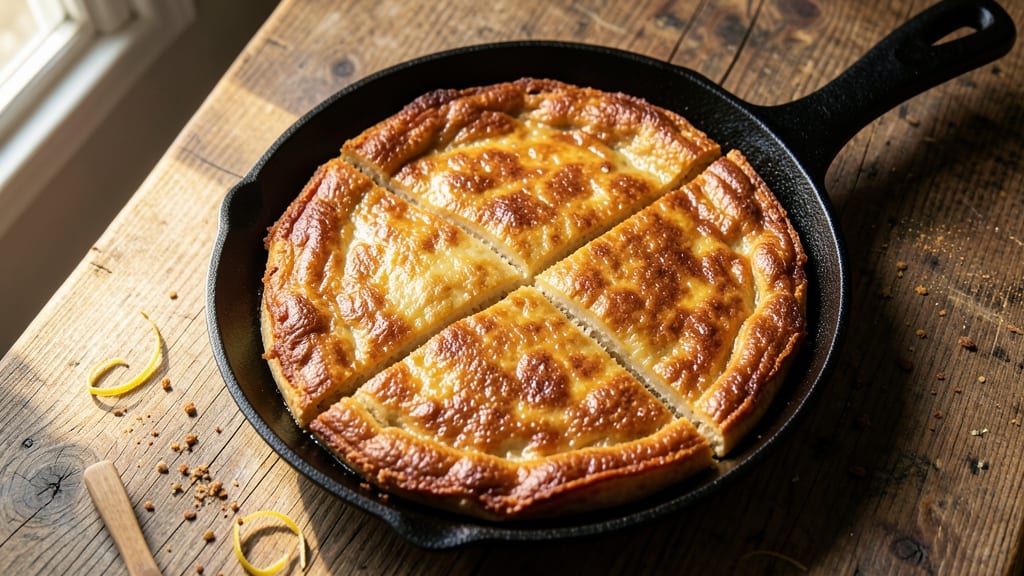
This Amish fried pie dough recipe delivers the perfect balance of crispy, golden crust and tender, fluffy interior—all wrapped around a rich filling of your choice. The secret lies in the foil-sealed technique, which creates that signature golden-brown exterior while keeping the inside perfectly cooked.
I've perfected this recipe over years of testing, ensuring every bite is a treasure of buttery layers and creamy filling.
The dough itself is simple yet foolproof, requiring just a few basic ingredients like flour, butter, and lard for that signature flaky texture.
Once you've rolled out the dough and filled it with your choice of sweet or savory filling—think apple, cherry, or even custard—you'll seal it in foil and fry it until golden.
The result is a crispy, golden crust that encases a tender, fluffy interior, making it a showstopper for any table.
What makes this recipe truly special is its versatility. Serve it warm with a scoop of vanilla ice cream, a dollop of whipped cream, or fresh berries for a dessert that feels both rustic and refined.
The foil-sealed method ensures even cooking, so you won't have to worry about uneven edges or undercooked centers. This dish is a true crowd-pleaser, perfect for family gatherings, potlucks, or even a cozy night in.
Ready to master this classic? The dough is surprisingly easy to work with, and the frying process is straightforward once you get the hang of it. With just a few simple steps, you'll have a golden, crispy fried pie that tastes like a slice of heaven.
Let's get started on creating this delicious treat!
Ingredients for amish fried pie dough
Buttery, flaky dough plus foil-sealed magic equals golden fried pie perfection.
| Ingredient | Amount | Notes |
|---|---|---|
| All-Purpose Flour 🌾 | 3 cups | Sifted for flaky texture |
| Unsalted Butter 🧈 | 1 cup | Cold, cubed for flakiness |
| Lard 🧈 | ½ cup | Leaf or leaf lard preferred |
| Ice Water 💧 | ½ cup | Chilled for crispness |
| Salt 🧂 | 1 tsp | Kosher or sea salt |
| White Vinegar 🍶 | 1 tbsp | For tenderization |
| Aluminum Foil 📄 | 1 sheet | Heavy-duty, 12x12 inches |
| Vegetable Oil 🫒 | 2 cups | For frying, 350°F |
| Granulated Sugar 🍚 | 2 tbsp | Optional for sweet filling |
| Cinnamon 🌿 | 1 tsp | Ground, for sweet fillings |
| Vanilla Extract 🍯 | ½ tsp | Pure, for sweet fillings |
| Eggs 🥚 | 1 whole | For binding filling |
The butter and lard combo is non-negotiable for that signature Amish flakiness. Crisco or vegetable shortening can replace half the lard if you're avoiding it, but trust me—leaf lard gives the best texture. Grab Land O'Lakes unsalted butter from the grocery store dairy section, and if you're unsure about the lard, Armour leaf lard is the brand I always recommend. Keep everything cold until mixing—this is key for preventing a tough crust. The flour? King Arthur all-purpose is my go-to, but any sifted flour will work. For the foil, Reynolds heavy-duty is perfect—it holds up during frying without tearing.
No lard? Substitute with extra butter or shortening, but you'll lose a bit of that signature crispness. Vinegar can be swapped for lemon juice at the same amount. If you're making a sweet filling, the sugar and cinnamon are optional but worth it—Domino sugar dissolves smoothly, and McCormick ground cinnamon is my preferred brand. For the oil, vegetable or canola oil works best—avoid olive oil, which burns at frying temps. The eggs for the filling can be replaced with 1 tbsp cornstarch plus 3 tbsp water for a vegan version, but the texture won't be identical.
This dough keeps covered in the fridge for 3 days or frozen for 3 months. For the filling, prep it ahead and store separately—just roll and seal when ready to fry. The foil-sealed pies reheat beautifully in a 350°F oven for 10 minutes if you want to serve them warm. I always make extra filling—freeze portions in ice cube trays for quick assembly later. The oil can be reused 2-3 times if you strain and store it properly, but I usually toss it after one use for simplicity.
Why You'll Love This Recipe
- No-Fuss Mixing: I swear by the two-step method—cutting cold butter and lard into flour first, then just adding ice water until it holds. No food processor, no overworking, just a few minutes of folding with a fork. Honestly, my dough never looks perfect, but it always behaves.
- Crispy-Creamy Magic: That lard-butter combo? It’s what makes this dough sing—flaky layers that crackle like autumn leaves while staying tender inside. (Yes, even on a Tuesday night.) My kids ask for seconds before I’ve even finished serving.
- Pie for Any Day: Use it for hand pies, pot pies, or even a quick fried chicken pot pie—this dough handles it all. I’ve made it for church potlucks, lazy Sundays, and emergency dinner fixes. Between us, it’s my secret weapon for feeding a crowd without stress.
- Budget-Friendly Staples: Flour, butter, lard—these are pantry basics that won’t break the bank. A single batch stretches for multiple pies, and leftovers freeze like a dream. I’ll be real: it’s the kind of recipe that makes me feel smart about my grocery list.
Step-by-step instructions for Amish fried pie dough
Here's how to make the legendary golden crust that seals in rich, custardy fillings perfectly.
Combine Dry Ingredients for Flaky Layers
In a large mixing bowl, whisk together the 3 cups all-purpose flour, 1 tsp salt, 2 tbsp granulated sugar, 1 tsp cinnamon, and 0.5 tsp vanilla extract. Sift the flour mixture directly into the bowl to break up any lumps and ensure even distribution of the spices. This creates the perfect foundation for those signature flaky layers.
Add the 1 cup unsalted butter and 0.5 cup lard, both cut into small cubes, to the flour mixture. Using a pastry cutter or your fingers, work the cold fat into the flour until the mixture resembles coarse crumbs with pea-sized fat pieces remaining. This texture is crucial—it ensures steam pockets form during frying, creating that iconic crispy-yet-tender crust.
Mix Wet Ingredients for Perfect Binding
In a separate small bowl, whisk together the 1 whole egg, 0.5 cup ice water, and 1 tbsp white vinegar. The vinegar acts as a natural tenderizer, helping the dough absorb moisture more evenly. Let this mixture sit for 2-3 minutes while you prepare the dough—this gives the egg time to fully emulsify with the liquids.
Gradually pour the wet mixture into the dry ingredients while stirring with a wooden spoon or silicone spatula. Mix just until the dough comes together—it should form a shaggy mass that still has some dry spots. Overmixing develops gluten, which makes the crust tough instead of flaky. If the dough feels too dry, add 1-2 teaspoons more ice water to help it bind.
Chill the Dough for Optimal Texture
Turn the dough out onto a lightly floured surface and gently shape it into a 1-inch thick disk. Wrap it tightly in the 1 sheet aluminum foil and refrigerate for at least 2 hours, or up to 24 hours. Chilling is non-negotiable—it firms up the fat, which prevents excessive spreading during frying and gives you that perfect golden-brown crust.
Here's the thing—don't skip this step. I've tried making fried pie dough without chilling, and it either spreads too thin or doesn't brown properly. The cold dough also makes rolling out later much easier, so you won't end up with a lopsided pie crust.
Roll and Fry for Golden Perfection
On a lightly floured surface, roll the chilled dough into a 12-inch circle, about ⅛-inch thick. You want even thickness—this ensures consistent cooking. If the dough cracks, gently press it back together with your fingers. Place the rolled dough on a floured baking sheet and cover with foil to prevent drying while you prepare the oil.
Heat 2 cups vegetable oil in a large skillet over medium heat until it reaches 350°F. You'll know it's ready when a small piece of dough sizzles vigorously when dropped in. Carefully transfer the rolled dough to the hot oil and fry for 3-4 minutes per side, until it's golden brown and puffed in spots. Watch closely—fried pie dough burns quickly once it reaches this color.
Assemble and Fill Your Fried Pie
Remove the fried dough from the oil and place it on a wire rack to drain excess oil for 2 minutes. While still warm, spread your favorite filling—whether it's sweet custard, savory chicken, or fruit compote—evenly over half of the dough. Fold the dough over the filling to create a half-moon shape and press the edges together firmly to seal.
This is where the magic happens: the foil-sealed edges create a steam pocket that keeps the filling warm and gooey while the crust stays crispy. For extra insurance, you can brush the top with a little more egg wash before serving. The result should be a perfectly balanced bite—crispy crust giving way to rich, custardy filling with every forkful.
Pro Tips For Making Amish Fried Pie Dough
- Chill the Butter-Lard Mix: Mixing cold butter and lard with ice water sounds obvious, but I learned the hard way—if the fat’s even slightly warm, the dough will turn greasy instead of flaky. Cut the butter and lard into ½-inch cubes, toss them with the flour, then dump in ice water one tablespoon at a time while stirring with a fork. The dough should clump like wet sand, not stick to your fingers.
- Use Lard, Not Shortening: I tried swapping lard for vegetable shortening once because it was cheaper. Big mistake. Lard’s higher fat content gives that signature Amish fried pie dough its melt-in-your-mouth richness and crispness. If you’re set on using shortening, add an extra tablespoon of butter—just don’t skip the lard entirely.
- Work Fast, But Don’t Overmix: This dough is finicky. As soon as you add the ice water, stop stirring the second the dough comes together. Overmixing develops gluten, and fried pie dough should be tender, not chewy. If it feels too dry, add one more tablespoon of ice water—no more. The dough should hold when pressed, not crumble.
- Fry in Small Batches: Low and slow is the name of the game here. If you dump all the dough in at once, the oil temperature will drop, and you’ll end up with greasy, unevenly cooked pieces. Fry 2-3 pieces at a time in 350°F oil, turning once, until golden brown (about 3-4 minutes per side). Crowd the pan, and you’ll regret it.
Dietary considerations for this recipe
Gluten-Free Adaptations
For a gluten-free version, replace the 3 cups all-purpose flour with a 1:1 gluten-free flour blend like Bob's Red Mill or King Arthur. Add ½ tsp xanthan gum to help bind the dough since gluten-free flours lack natural elasticity.
Chill the dough longer—3-4 hours—because gluten-free doughs are more fragile. The texture won't be identical, but it'll still be crispy and delicious. 🌾
Dairy-Free Options
Skip the butter and lard and use 1 cup dairy-free shortening like Crisco or Earth Balance Vegan Butter. For extra crispness, add 1 tbsp cornstarch to the flour mixture.
The vinegar and egg can stay the same, but if you're avoiding eggs too, use 1 tbsp ground flaxseed mixed with 3 tbsp water as a binder. The crust will still puff beautifully, just with a slightly different texture. 🧈
Lower-Carb Versions
Cut the flour to 2 cups and add ½ cup almond flour for a lower-carb crust. Reduce the sugar to 1 tbsp and use 1 tbsp erythritol if you prefer. The lard can stay, but replace the butter with ½ cup coconut oil for a dairy-free option.
This version holds up well during frying but may need slightly less oil since it's denser. 🥜
Nut-Free Considerations
If you're avoiding nuts but still want a flaky crust, stick with the original recipe but swap the almond flour for ½ cup oat flour (blend rolled oats into a fine powder).
Ensure your oats are certified gluten-free if needed. The texture will be closer to traditional dough, though slightly heavier. Always check labels—some oat flours contain trace nuts. 🌾
Allergen-Friendly Tips
For egg-free fillings, use 1 tbsp cornstarch plus 3 tbsp water as a thickener instead of eggs. If you're avoiding vinegar, substitute with lemon juice or apple cider vinegar in equal amounts.
For soy-free options, ensure your shortening or butter is soy-free (check labels). Cross-contamination is key—use separate utensils and surfaces if allergies are severe. 💡
Nutrition facts
Frequently asked questions
Why does Amish fried pie dough need to be chilled?
Chilling the dough for at least 2 hours firms up the butter and lard, preventing excessive spreading during frying. This creates those signature puffed, golden-brown spots while keeping the crust crisp yet tender. Skipping this step often results in uneven cooking or a soggy texture.
Can I make this dough ahead of time?
The dough keeps well in the refrigerator for 3 days or can be frozen for up to 3 months. Wrap it tightly in foil to prevent drying. Thaw completely before rolling—cold dough is easier to handle and gives better results.
What's the best oil for frying?
Use vegetable or canola oil for frying—both have high smoke points and neutral flavors. Avoid olive oil, which burns at 350°F. For extra crispiness, use fresh oil each time or strain and reuse oil 2-3 times if properly stored.
How do I prevent the dough from cracking?
Keep everything cold (ingredients and work surface) and avoid overworking the dough. If cracks appear while rolling, gently press them closed with your fingers. For extra insurance, let the dough rest 10 minutes after shaping before frying. The foil-sealed edges also help maintain shape during cooking.
What are the best fillings for fried pie?
Classic options include sweet custard (vanilla, chocolate, or pumpkin), fruit compotes (apple, cherry, or peach), or savory fillings like chicken and dumplings. For a foolproof custard, mix 2 eggs, ½ cup sugar, 1 cup milk, and 1 tsp vanilla—cook until thickened before filling.