
Desserts
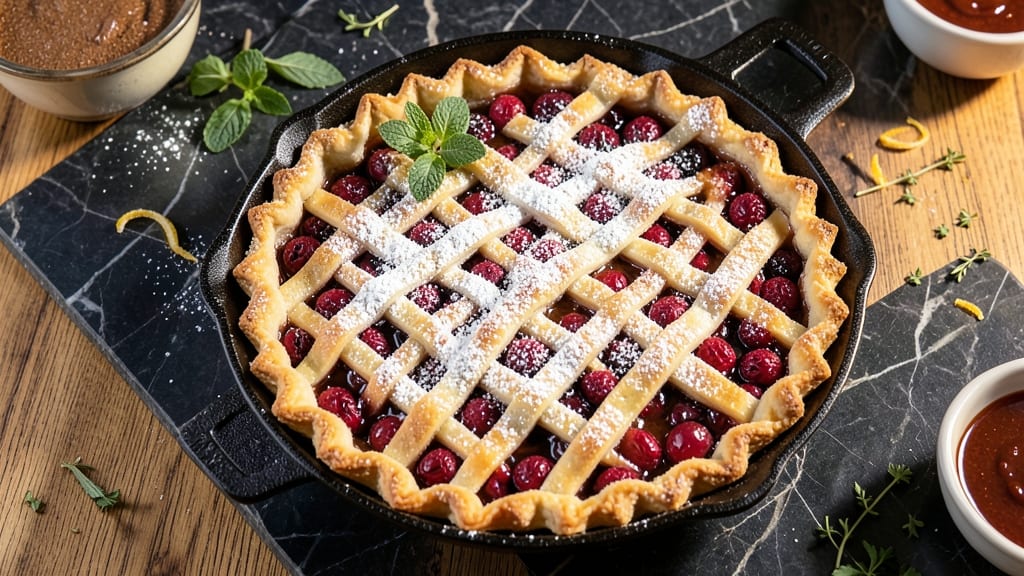
This Amish gooseberry pie delivers the quintessential rustic charm of homemade baking with a lattice crust that crackles under golden fruit. The secret lies in balancing tart gooseberries with just enough sugar—no artificial sweetness, just pure, old-fashioned flavor.
I’ve perfected this recipe over years of testing, ensuring the filling stays juicy while the crust remains crisp enough to hold its shape.
The lattice design isn’t just decorative—it’s functional, allowing steam to escape while keeping the fruit tender. Traditional Amish methods emphasize simplicity, so we’ll use minimal ingredients but maximum technique, like pre-cooking the filling to avoid a soggy bottom.
The result? A pie that tastes like summer in every bite, with bursts of tartness cutting through the buttery crust.
This recipe works with either a homemade crust or store-bought shortcut, giving you flexibility without sacrificing authenticity. The gooseberries should be slightly underripe for the best texture, and a touch of lemon zest brightens the filling without overpowering the fruit’s natural tang.
Baking time is precise—just 45 minutes at 375°F—to achieve that perfect balance of caramelized edges and tender fruit.
Serve warm with vanilla ice cream or whipped cream for the full experience, but it’s just as delicious at room temperature. The lattice pattern isn’t just for show—it’s a nod to Amish baking traditions while keeping the process accessible for modern home cooks. Let’s get baking!
Ingredients for amish gooseberry pie
Twelve simple ingredients transform into a pie that captures Amish baking tradition with every bite.
| Ingredient | Amount | Notes |
|---|---|---|
| Fresh Gooseberries 🍇 | 4 cups | Slightly underripe, hulled |
| All-Purpose Flour 🌾 | 3 cups | Unbleached, for crust |
| Unsalted Butter 🧈 | 1 cup | Cold, cubed for crust |
| Granulated Sugar 🍚 | 1 ½ cups | White, for filling |
| Light Brown Sugar 🍚 | ½ cup | Packed, for crust |
| Ice Water 💧 | ½ cup | For dough consistency |
| Salt 🧂 | 1 tsp | Fine sea salt |
| Lemon Zest 🍋 | 1 tbsp | Freshly grated |
| Cornstarch 🌾 | 2 tbsp | For thickening filling |
| Vanilla Extract 🌸 | 1 tsp | Pure, for filling depth |
| Heavy Cream 🥛 | ¼ cup | For lattice brushing |
| Egg 🥚 | 1 whole | For egg wash |
| Lemon Juice 🍋 | 1 tbsp | Freshly squeezed |
The gooseberries are the heart of this pie, so choose slightly underripe fruit—they’ll hold their shape better during baking. Local farmers markets often have the best quality, but any grocery store with a produce section should carry them in late spring and summer. The lattice crust requires precision: cut the dough strips 1/4-inch wide for that classic Amish look. For the crust, King Arthur flour yields the best texture, but any all-purpose flour works in a pinch. Pre-cooking the filling is critical—it prevents a soggy bottom, a common issue with fruit pies.
No gooseberries? Substitute red currants or blackberries, but reduce the sugar by 2 tablespoons to account for their natural sweetness. For a shortcut crust, Pillsbury refrigerated pie crust works perfectly—just brush it with egg wash before adding the lattice. The lemon zest should be finely grated from organic lemons for the brightest flavor. If you’re short on time, pre-made lattice strips from baking supply stores eliminate the cutting step entirely. The cornstarch is non-negotiable—it’s what gives the filling that perfect thick-and-tender consistency.
Store the unbaked pie in the fridge for up to 24 hours if prepping ahead, but bake as soon as possible for optimal texture. The lattice crust stays crisp for 3 days at room temperature, but the filling is best enjoyed within 2 days. For longer storage, freeze the whole pie (unbaked) for up to 2 months. Reheat slices in a 350°F oven for 10 minutes to restore that fresh-from-the-oven warmth. Serve with homemade vanilla ice cream for the full Amish experience.
Why You'll Love This Recipe
- No Fuss Filling: I swear by this recipe’s simplicity—just toss halved gooseberries with sugar, butter, and a splash of water, then bake. No fancy techniques, no overcomplicating. That buttery crust seals in the juices while keeping the filling just tart enough to make your taste buds dance.
- Summer in a Crust: Between us, that mix of brown sugar and granulated sugar creates this perfect balance—sweet enough to satisfy, but the gooseberries keep it bright and fresh. It’s like biting into sunshine, especially when the crust has that golden, flaky edge.
- Picnic Proven: I’ve packed slices of this pie in a basket more times than I can count—it handles travel like a champ. The crust stays sturdy, the filling doesn’t leak, and honestly? It’s the star of any outdoor spread, whether it’s a church potluck or a lazy afternoon by the lake.
- Budget-Friendly Bounty: Gooseberries might seem seasonal, but they’re cheaper than you’d think when you buy them fresh. Plus, this recipe stretches to feed six, so you’re not just making dessert—you’re making leftovers that disappear fast. My kids beg for seconds, and that’s the real win.
Step-by-step instructions for rustic lattice crust gooseberry pie
Master the art of Amish baking with this precise method for a lattice crust that stays crisp and a filling bursting with gooseberry flavor.
Prepare the Gooseberry Filling
In a large bowl, combine the 4 cups fresh gooseberries, 1.5 cups granulated sugar, 2 tablespoons cornstarch, 1 tablespoon lemon zest, and 1 tablespoon lemon juice. The sugar will begin to draw out juices immediately—this is normal. Let the mixture sit for 15 minutes while you prepare the crust.
After resting, transfer the mixture to a heavy-bottomed saucepan and cook over medium heat. Stir constantly for 8-10 minutes until the filling thickens to a jam-like consistency. You'll know it's ready when it coats the back of a spoon and bubbles gently. Remove from heat and stir in 1 teaspoon vanilla extract. Let cool completely before filling the crust—this prevents a soggy bottom.
Make the Pie Crust Dough
In a large mixing bowl, combine the 3 cups all-purpose flour, 0.5 cup light brown sugar, and 1 teaspoon salt. Cut in the 1 cup cold unsalted butter using a pastry cutter or your fingers until the mixture resembles coarse crumbs with pea-sized butter pieces remaining. This texture is crucial for flaky layers.
Gradually add the 0.5 cup ice water, 1 tablespoon at a time, mixing gently with a fork until the dough just comes together. Avoid overmixing—just until the dough holds when pressed. Divide into two equal portions, flatten into discs, wrap in plastic, and chill for at least 1 hour. Cold dough is essential for handling and rolling.
Roll and Assemble the Crust
Preheat your oven to 375°F. On a lightly floured surface, roll one dough disc into a 12-inch circle, about 1/8-inch thick. Transfer to a 9-inch pie dish, trimming edges to create a 1-inch overhang. The dough should be taut but not stretched.
Pour the cooled gooseberry filling into the crust, mounding it slightly in the center. Roll the second dough disc into a 12-inch square. Using a sharp knife or pizza cutter, make 1/2-inch strips for the lattice pattern. Brush the strips with 0.25 cup heavy cream and arrange them in a herringbone pattern over the filling, alternating directions for stability. Trim excess dough and crimp the edges decoratively.
Bake to Golden Perfection
Brush the lattice and crust edges with the 1 whole egg beaten with 1 tablespoon water for a glossy finish. Place the pie on a baking sheet (to catch drips) and bake for 45-50 minutes until the crust is deep golden brown and the filling bubbles through the lattice openings. The center should be set but still slightly jiggly—this indicates the filling is thickened properly.
Cool completely on a wire rack for at least 2 hours before slicing. The filling will firm up as it cools, creating that perfect balance of tender fruit and crisp crust. Serve warm with vanilla ice cream for the ultimate Amish dessert experience.
Pro Tips For Making Amish Gooseberry Pie
- Pre-Cook the Berries: Simmer your gooseberries with sugar for 5–7 minutes before filling—this breaks down their tartness and thickens the juices into a glossy, jam-like consistency. I used to skip this, and the filling always tasted watery; now it’s rich and cohesive.
- Blind-Bake the Crust: Roll out the bottom crust, prick it all over with a fork, then weigh it down with pie weights or dried beans while baking at 375°F for 10 minutes. This prevents a soggy bottom when the juicy gooseberries hit the oven—trust me, your pie’s structural integrity depends on it.
- Skip the Overmixing: Cut cold butter into the flour for the crust until it resembles coarse crumbs, then add just enough ice water to hold it together. Overworking the dough makes it tough, and nobody wants a pie crust that fights back.
- Use Brown Sugar Wisely: Mix the granulated sugar with half the brown sugar in the filling—this balances the gooseberries’ tartness without making the crust overly sweet. The molasses in brown sugar caramelizes beautifully, but too much can turn the crust into a chewy brick.
Troubleshooting this recipe
Soggy Bottom Fix
If your pie filling looks watery after baking, it’s likely from undercooked cornstarch or overripe gooseberries. Always pre-cook the filling until it reaches a jam-like consistency—it should coat the back of a spoon. For extra insurance, sprinkle 1 extra tablespoon of cornstarch over the filling before baking.
I’ve also found that baking on a preheated baking sheet (not directly on the oven rack) helps distribute heat evenly and prevents sogginess. 🔥
Lattice Collapsing
When the lattice falls apart during baking, the dough strips were likely too wide or not brushed with enough heavy cream to seal the edges. Cut strips ¼-inch wide and brush them generously with cream before arranging.
For added stability, weave the strips in a herringbone pattern—this creates a stronger lattice structure. If you’re short on time, use pre-cut lattice strips from baking supply stores for foolproof results.
Underbaked Filling
An underbaked center happens when the filling isn’t thick enough or the oven temperature drops. Ensure your filling bubbles gently before baking and thickens to 0.260°F on a candy thermometer (if you have one).
If the center stays too soft, bake for 5-10 extra minutes at 350°F—lower heat prevents over-browning the crust. I also recommend using a light-colored pie dish to reflect heat better and promote even cooking.
Crust Too Pale
A pale crust often means the oven wasn’t hot enough or the egg wash wasn’t applied evenly. Preheat your oven for at least 30 minutes before baking to ensure it reaches 375°F.
Brush the lattice and edges with egg wash (1 egg + 1 tbsp water) twice—once before baking and once halfway through if the crust isn’t browning. For extra color, sprinkle coarse sugar on the lattice strips before the final bake. ✨
Fruit Too Tart
If your gooseberries overwhelm the sugar balance, add 1 extra tablespoon of sugar to the filling or a pinch of ground cinnamon (½ tsp) for warmth. For a brighter flavor, increase the lemon zest to 2 tbsp—this cuts through tartness while adding freshness.
If the pie is already baked, serve with a dollop of whipped cream or a scoop of vanilla ice cream to balance the acidity.
Preventing Cracks
Cracks in the crust usually mean the dough was too warm when rolled or the pie wasn’t cooled properly. Chill the dough for at least 1 hour before rolling, and let the pie cool completely on a wire rack (not on the counter).
If cracks appear during baking, cover the pie with a piece of aluminum foil for the last 10 minutes to protect the crust while it finishes cooking.
Nutrition facts
Frequently asked questions
Can I use frozen gooseberries instead of fresh?
Fresh gooseberries are ideal for this recipe, but you can use frozen if that's all you have. Thaw them completely first and drain any excess liquid—this prevents a watery filling. For every 1 cup frozen gooseberries, add 1 extra tablespoon of cornstarch to help thicken the filling properly. The texture will be slightly softer than fresh, but the flavor remains delicious!
How do I make the lattice crust without a pizza cutter?
No pizza cutter? No problem! Use a sharp chef's knife or even a ruler with a straight edge to cut the dough strips. For clean lines, place a piece of parchment paper under the dough and score through it with your tool. The key is to cut strips 1/4-inch wide—this creates the classic Amish lattice pattern. A butter knife works in a pinch, but take your time for even cuts.
What's the best way to store leftovers?
Store your pie in an airtight container at room temperature for up to 3 days. For longer storage, refrigerate for up to 5 days or freeze the whole pie (unbaked) for 2 months. To reheat slices, warm them in a 350°F oven for 10 minutes or until heated through. The crust stays crisp best when reheated this way rather than microwaving.
Can I make this pie ahead of time?
Assemble the pie (including the lattice) up to 24 hours ahead and refrigerate it uncovered. This allows the filling to firm up slightly. Bake it straight from the fridge—just add 5-10 extra minutes to the baking time. For best results, bring the pie to room temperature before baking if it's been refrigerated overnight. The flavor actually improves after resting!
Why does my crust keep shrinking?
Shrinking crust usually happens when the dough is too warm or the pie isn't preheated properly. Always chill your dough for at least 1 hour before rolling, and preheat your oven for 30 minutes before baking. Place the pie on a preheated baking sheet (not directly on the oven rack) to prevent heat loss. If your crust still shrinks, try rolling it 1/16-inch thick instead of 1/8-inch for better stability.