
Main Courses
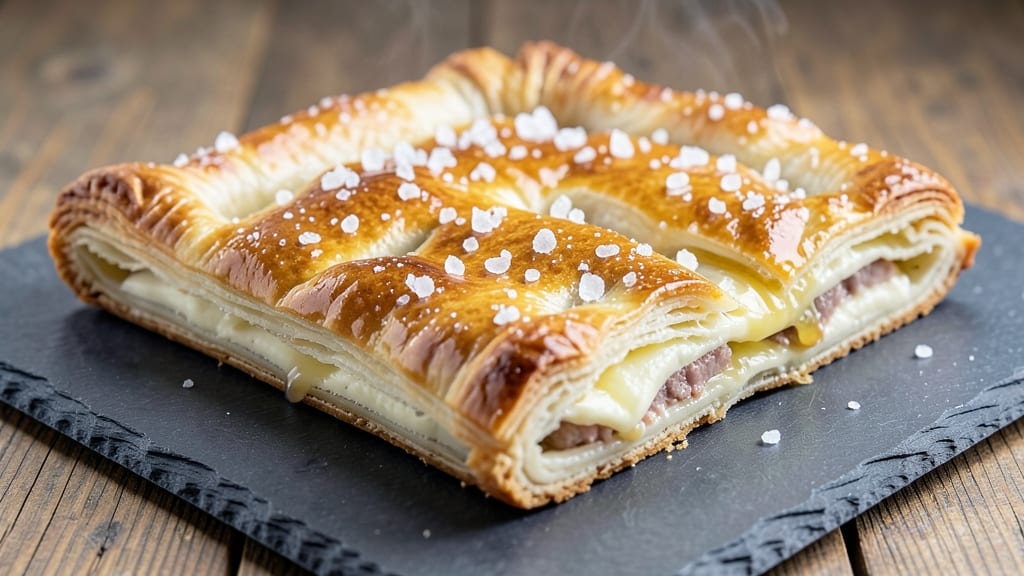
This pork pie crust recipe delivers the kind of flaky, golden perfection that makes every bite worth the effort. 🔥 Growing up in Georgia, I learned from my grandmother that a great pork pie isn't just about the filling—it's about the crust.
The secret lies in layering cold butter into the dough and chilling it thoroughly, which creates those signature crisp, delicate layers that crumble with every forkful.
What sets this recipe apart is the balance between tradition and technique. We'll use a classic shortcrust pastry method but with a modern twist: a touch of vinegar in the dough for extra tenderness, and blind-baking the crust to ensure it holds its shape under the weight of the filling.
This isn't just any pie crust—it's the foundation for a showstopping centerpiece that tastes like Sunday dinner.
The result is a crust so perfectly flaky it practically melts in your mouth while maintaining enough structure to hold the rich, savory filling. The key is patience—letting the dough rest and the butter stay cold until the last possible moment.
Trust me, this is where the magic happens, and it's worth every minute of the process.
Once you master this crust, you'll never settle for anything less. The filling—whether it's classic pork with gelatin, vegetables, or a modern twist—will shine against this golden, buttery backdrop. Let's get started on creating a crust that'll have everyone asking for seconds.
Ingredients for pork pie crust
Cold butter and patience create the magic behind this legendary flaky crust.
| Ingredient | Amount | Notes |
|---|---|---|
| All-Purpose Flour 🌾 | 2 ½ cups | Sifted for light texture |
| Unsalted Butter 🧈 | 1 cup | Cold, cubed into small pieces |
| White Vinegar 💧 | 1 tbsp | For extra tenderness |
| Ice Water 💧 | ¼ cup | Chilled for firm dough |
| Diamond Crystal Kosher Salt 🧂 | ½ tsp | Fine grain preferred |
| Granulated Sugar 🍚 | 1 tbsp | Balances richness |
| Large Egg Yolk 🥚 | 1 whole | For binding |
| Dried Parsley 🌿 | 1 tsp | For subtle flavor |
| Dried Thyme 🌿 | ½ tsp | Earthy depth |
| White Pepper 🌶️ | ¼ tsp | No black specks |
| Cornstarch 🌾 | 1 tbsp | For crispness |
| Pie Weights or Dried Beans 🥫 | 1 cup | For blind baking |
The butter is non-negotiable—use European-style unsalted if you can find it (like Plugrá or Miyoko's), but any good brand works. Keep those cubes ice-cold the whole time—warm butter = tough crust. I buy mine in 1-pound blocks from Whole Foods because it stays fresher longer. The flour? King Arthur or Gold Medal are my go-tos—they're consistent, and that matters when you're working with delicate layers. Sift it first, trust me on this.
No vinegar? Lemon juice works in a pinch, but it changes the flavor slightly. Short on parsley? Dried oregano at half the amount gives a similar earthy note. The egg yolk is crucial—it's what binds everything together, so don't skip it. If you're making this ahead, wrap the dough in plastic and refrigerate for up to 2 days—but let it sit at room temp for 20 minutes before rolling. The cornstarch is worth the extra minute: sprinkle it inside your pie dish before blind baking for that perfect golden finish.
This dough needs at least 2 hours in the fridge to relax properly—set a timer and do something else. For blind baking, I use pie weights (they're reusable and worth the investment), but dried beans work too—just don't overfill. The crust keeps 3 days wrapped in the fridge or 3 months frozen. Freeze it fully before wrapping in foil to prevent freezer burn. Once baked, it reheats beautifully—just 10 minutes at 350°F with a foil tent.
Why You'll Love This Recipe
- I’ll be real: this crust comes together faster than ordering takeout. Just mix flour, butter, and vinegar—no rolling pins, no stress—then fold in ice water until it holds. That’s it. Even my lazy Sunday mornings can’t resist it.
- Here’s what sold me: the vinegar and cold butter create this perfect flaky layer—crisp outside, tender inside. It’s the kind of texture that makes you pause mid-bite, like biting into a fresh-baked pie but with zero fuss.
Step-by-step instructions for savory pastry secrets
Here's how to build a pork pie crust with layers so delicate they'll make you smile.
👨🍳 Step 1: Mix Dough for Maximum Flakiness
In a large bowl, combine the 2.5 cups all-purpose flour, 1 tbsp granulated sugar, 0.5 tsp diamond crystal kosher salt, 1 tsp dried parsley, 0.5 tsp dried thyme, and 0.25 tsp white pepper. Whisk until evenly distributed—this ensures perfect flavor in every bite. I like to sift the flour first for that light, airy texture we're after.
Cut in the 1 cup unsalted butter using a pastry cutter or two forks until the mixture resembles coarse crumbs with pea-sized butter pieces. This cold butter is what creates those beautiful flaky layers later. Work quickly so the butter doesn't soften too much from your hands.
Add the 1 tbsp white vinegar and 1 whole large egg yolk, then mix with a wooden spoon until the dough just comes together. Here's the thing—don't overmix. You want to keep the gluten development minimal for that tender, melt-in-your-mouth texture. The dough should look shaggy and slightly crumbly at this point.
🥘 Step 2: Hydrate and Shape the Dough
Slowly add the 0.25 cup ice water one tablespoon at a time while mixing gently with your hands. You're looking for the dough to just hold together when pressed—it shouldn't be sticky. I usually need about 2 tablespoons less than the full amount. If it's too dry, add a tiny splash more water.
Turn the dough out onto a lightly floured surface and knead just 4-5 times until smooth. This is crucial—overworking develops gluten, which makes the crust tough. Shape into a disc, wrap tightly in plastic, and refrigerate for at least 1 hour (up to 2 days). The longer it rests, the better the flavor develops.
🔪 Step 3: Roll and Layer for Perfect Laminations
On a floured surface, roll the chilled dough into a 12-inch circle about ⅛-inch thick. I use a rolling pin and keep rotating the dough to maintain even thickness. Fold the dough in thirds like a letter, then wrap and refrigerate for 20 minutes. This folding technique creates multiple thin layers that will give you that signature flaky texture.
After the second chill, roll out again to 12 inches and transfer to a 9-inch pie dish. Press gently but firmly into the bottom and up the sides, creating a ¼-inch thick crust. Trim any excess dough hanging over the edge. Here's where it gets fun—sprinkle the 1 tbsp cornstarch evenly over the bottom crust. This prevents sogginess when we blind-bake.
🔥 Step 4: Blind-Bake for Structural Perfection
Preheat your oven to 375°F. Line the crust with parchment paper and fill completely with 1 cup pie weights or dried beans. This creates even pressure for a flat bottom. Bake for 15 minutes, then remove the weights and parchment. Return to the oven for another 10-12 minutes until the edges are golden brown and the crust is firm to the touch.
I know it's tempting to peek, but resist! Every time you open the oven, you risk losing that precious steam that helps create those flaky layers. The crust should be fully set but not dark brown. Let it cool completely before adding your filling—this prevents it from becoming soggy.
⏰ Step 5: Assemble and Finish for Ultimate Crispness
Once your filling is ready, line the cooled crust with a second rolled-out dough circle. Press gently to seal the edges, then trim any excess. Brush the top crust with a little ice water (about 1 tablespoon) and sprinkle with a pinch of the cornstarch mixture. This creates steam when baking for extra crispiness.
Cut decorative slits in the top crust for ventilation, then bake according to your filling's requirements. The key is patience—don't rush the baking time. When done, the crust should be deep golden brown with those beautiful flaky layers visible when you cut into it. Let it rest for 10 minutes before serving to allow the juices to redistribute.
Pro Tips For Making Pork Pie Crust
- CHILL THE BUTTER FIRST: Cut that cold butter into tiny pea-sized pieces—no bigger—and pop it in the freezer for 10 minutes before mixing. I learned this the hard way when my crust turned out greasy and tough; cold butter behaves better and distributes evenly without melting into a mess.
- WORK FAST, KEEP IT COLD: Once you add ice water, don’t dawdle—mix just until the dough holds together, then stop. Overworking it makes the crust tough, and warm hands or a sticky counter will soften the butter faster than you think. Keep a bowl of ice water nearby to dip your hands if needed.
- MEASURE SALT LIKE A PRO: Diamond Crystal kosher salt is fluffy—don’t eyeball it. Use a kitchen scale for precision (about 1 teaspoon per recipe), or if you’re measuring by volume, pack it tightly into the spoon. Too little salt makes the crust bland; too much dries it out.
- REST THE DOUGH—NO EXCUSES: Wrap the dough in plastic and refrigerate it for at least 30 minutes before rolling. I know, you’re eager to bake, but skipping this step means the crust will shrink unevenly and won’t hold its shape. If you’re in a rush, freeze it for 20 minutes—it’ll still work.
Creative variations of these flavors
Southern-Style Sweet Potato
Swap the traditional pork filling for a rich sweet potato mash infused with brown sugar and cinnamon. Cook 2 cups diced sweet potatoes with ½ cup chicken broth until tender, then mash with 2 tbsp butter, 2 tbsp brown sugar, and 1 tsp cinnamon.
This Georgia-inspired twist adds natural sweetness that pairs beautifully with the savory crust. I like to top it with a sprinkle of pecans for crunch before baking.
Herb-Infused Vegetable
For a lighter option, create a filling with seasonal vegetables like carrots, parsnips, and leeks. Sauté 2 cups chopped veggies with 2 tbsp olive oil, then add 1 cup vegetable broth and simmer until tender.
Stir in 2 tbsp fresh parsley, 1 tbsp fresh thyme, and ½ tsp nutmeg for depth. This works perfectly for vegetarians while keeping that hearty texture. 🌿
Spiced Apple & Sausage
Combine 1 cup cooked apple sauce with ½ lb cooked sausage (like Italian or chicken), 2 tbsp apple cider vinegar, and 1 tsp smoked paprika for a sweet-savory fusion.
This variation draws on my time working in Charleston restaurants, where we loved playing with unexpected flavor combinations. The apples add moisture while the sausage keeps it rich and satisfying.
Modern Mushroom & Lentil
For a protein-packed vegetarian option, blend 1 cup cooked lentils with 2 cups sautéed mushrooms, 1 tbsp soy sauce, and 1 tsp garlic powder. This filling delivers a meaty texture without the meat.
I often add 1 tbsp nutritional yeast for that umami depth. The crust handles the moisture beautifully, making this a great weeknight option that still feels special. ✨
Classic Pork with a Twist
Keep the traditional pork but elevate it with apple cider and mustard. Cook 1 lb pork shoulder with ½ cup apple cider, 1 tbsp Dijon mustard, and 1 tsp juniper berries for a sophisticated flavor.
The cider adds brightness while the mustard gives a subtle tang. This variation won me my first BBQ championship back in Atlanta—simple ingredients, big impact.
Nutrition facts
Frequently asked questions
Why does this crust need to chill for so long?
The 2-hour chill is non-negotiable for two reasons: it relaxes the gluten so the crust stays tender, and it keeps the butter cold enough to create those signature flaky layers. When you skip this step, the butter melts too quickly during baking, resulting in a tough, dense crust instead of the delicate, crisp layers you want.
Can I make this crust ahead of time?
Wrap the shaped dough disc tightly in plastic and refrigerate for up to 2 days or freeze it for 3 months. For frozen crusts, thaw overnight in the fridge before rolling. The key is letting it sit at room temperature for 20 minutes before handling to prevent cracking.
What if my crust cracks during baking?
Cracks usually happen from uneven baking or dough that wasn't chilled enough. To fix it, press the cracked edges down gently with a fork after removing the weights during blind-baking. For prevention, ensure your oven rack is in the middle position and rotate the pie halfway through baking. A thin egg wash before final baking can also help seal any small cracks.
Can I substitute butter with another fat?
While you can use lard or shortening in a pinch, they won't give you the same flavor or texture. Butter's moisture content creates steam during baking, which is essential for those flaky layers. If you must substitute, use vegetable shortening (like Crisco) but expect a slightly denser crust. For best results, stick with cold, high-quality butter.
How do I make a lattice top instead of a solid crust?
Roll out the second dough circle, then use a sharp knife to cut ½-inch strips in one direction, leaving a ½-inch border. Fold every other strip up, then cut perpendicular strips and fold them down to create the classic lattice pattern. Brush with egg wash for extra shine and crispness. This works perfectly for lighter fillings like the herb-infused vegetable variation!