
Desserts
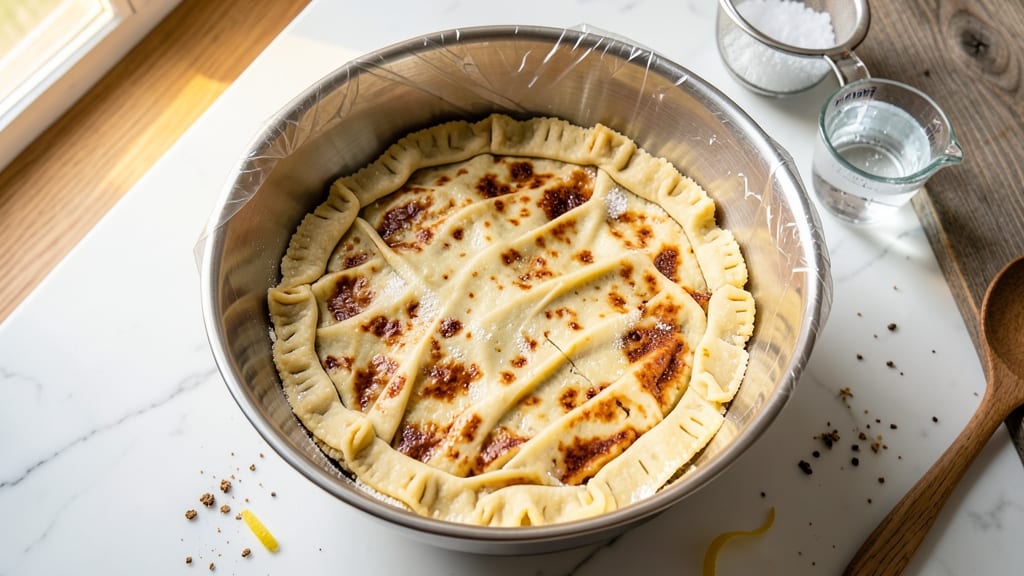
A food processor transforms savory pie crusts into flaky perfection in just 10 minutes—no tedious hand-cutting or overworking required. The secret lies in cold butter and precise pulsing, creating layers so delicate they practically melt in your mouth.
I’ve perfected this method after years of testing, ensuring every bite delivers that signature shatter of crispy, golden crust with tender filling beneath.
This recipe starts with a simple yet foolproof crust made from all-purpose flour, cold butter, ice water, and a pinch of salt—no fancy ingredients, just technique.
The food processor handles the heavy lifting, pulsing the butter into the flour until it resembles coarse crumbs before adding just enough liquid to bind. This method guarantees flaky layers without the risk of overworking the dough, which kills tenderness.
Once assembled with your choice of filling—whether it’s savory chicken pot pie, herbed cheese, or roasted vegetables—the crust bakes to a golden, crispy finish with just a hint of buttery richness. The filling stays moist and flavorful while the crust achieves that coveted balance of crispness and melt-in-your-mouth softness.
Perfect for weeknight dinners or holiday gatherings, this crust elevates any pie to restaurant-quality.
Ready in under an hour, this recipe is designed for efficiency without compromise. The food processor technique cuts prep time dramatically, leaving you more time to focus on the filling or enjoying the results. Let’s get started on a crust that’s as impressive as it is delicious.
Ingredients for savory pie crust recipe food processor
Nine essential ingredients transform into restaurant-quality savory pie crust using a food processor.
| Ingredient | Amount | Notes |
|---|---|---|
| All-Purpose Flour 🌾 | 2 ½ cups | Sifted for even texture |
| Unsalted Butter 🧈 | 1 cup | Cold, cubed, unsalted preferred |
| Ice Water 💧 | ⅓ cup | Freshly chilled, not tap |
| Diamond Crystal Kosher Salt 🧂 | ½ tsp | Fine grain preferred |
| Food Processor 🔧 | 1 whole | Essential for even texture |
| Plastic Wrap 📄 | 1 sheet | For dough resting |
| Aluminum Foil 📄 | 1 sheet | Optional for shaping |
| Savory Filling 🥧 | 2 cups | Customizable to preference |
The butter is non-negotiable—cold, cubed, and unsalted ensures maximum flakiness. Grab a 1-pound block from Whole Foods or your local butcher for the best quality; avoid pre-sliced packages that often contain additives. The flour should be all-purpose, sifted—King Arthur or Bob’s Red Mill work perfectly. Ice water is critical; tap water left in the freezer overnight works best. For salt, Diamond Crystal kosher dissolves evenly without bitterness. The food processor must be sharp; blunt blades overwork the dough.
No food processor? A pastry cutter works, but it’s tedious. Short on butter? Vegetable shortening at half the amount mimics flakiness, though with less richness. Using salted butter? Reduce the kosher salt to 0.25 teaspoon. The filling is entirely customizable—roasted chicken, caramelized onions, or herbed cheese all shine. For extra flakiness, freeze the dough 30 minutes before rolling. Prefer a crispier crust? Brush the top with beaten egg white before baking.
The dough must rest at least 30 minutes before rolling to prevent shrinking. Wrap tightly in plastic and refrigerate for up to 48 hours or freeze for 3 months. For best texture, roll the dough between two sheets of parchment paper to prevent sticking. Leftover crust can be baked blind for 10 minutes at 375°F to create a perfect tart shell. Store unused filling separately to maintain freshness.
Why You'll Love This Recipe
- No Fuss, No Mess: I swear by this method—just dump flour, cut butter, pulse, add ice water, and boom. No rolling pins, no stress, no flaky disasters from overworking the dough. The food processor does all the heavy lifting while I sip my coffee.
- Crispy Yet Tender: That cold butter in the food processor creates layers like a dream—crispy edges, tender middle, no sad soggy spots. Honestly, it’s the kind of crust that makes you pause mid-bite and think, “How is this so good?”
- Your New Weeknight Hero: Use it for pot pies, quiches, or even savory hand pies—no one will guess it’s made in minutes. Between us, I’ve turned this into my go-to for last-minute dinners when takeout feels like a chore.
- Pantry Magic: Butter, flour, salt, water—that’s it. No weird ingredients, no last-minute store runs. And since it keeps well, I make a double batch and freeze half. Twenty bucks and twenty minutes later, I’ve got backup for any craving.
Step-by-step instructions for perfect savory pie crust using a food processor
Master this technique and you'll achieve restaurant-quality flakiness every time—no rolling pin required.
Prepare Cold Ingredients for Optimal Texture
Place the 1 cup unsalted butter in the freezer for 15 minutes to ensure it's completely firm. Cut the chilled butter into ½-inch cubes using a sharp chef's knife—uniform size is crucial for even distribution in the dough. In a separate bowl, measure out the 2.5 cups all-purpose flour and sift it directly into the food processor bowl. This removes any lumps and aerates the flour for better texture.
Add the ½ teaspoon Diamond Crystal kosher salt to the flour and pulse once to distribute evenly. The reason for this initial mixing is to prevent salt pockets that can create uneven texture in your crust. Keep the food processor bowl and blade at room temperature—cold metal can cause the butter to melt prematurely during processing.
Pulse Butter and Flour for Crumbly Dough
Add the frozen butter cubes to the food processor. Pulse the mixture in 3-second bursts until the butter is broken down into pea-sized pieces with flour clinging to it. You're aiming for a sandy, crumbly texture—not fully combined dough. This stage is critical for creating those signature flaky layers, as the butter pieces will create steam pockets during baking.
If the mixture starts to form clumps, stop and use a rubber spatula to break them up along the sides of the bowl. The goal is to maintain maximum surface area between butter and flour. Avoid over-processing at this stage—you should still see visible butter pieces. The dough will come together in the next step when we add the ice water.
Incorporate Ice Water for Cohesive Dough
Measure out the ⅓ cup ice water and pour it into a small measuring cup. Add the ice water to the food processor 1 tablespoon at a time, pulsing after each addition. The ice water is essential for binding the dough without melting the butter prematurely. You'll know you've reached the perfect consistency when the dough begins to come together but still has a few crumbly spots remaining.
Test the dough by pressing a small piece between your fingers—it should hold together but still feel slightly dry. If it's too crumbly, add another tablespoon of ice water. If it's too sticky, add another 1 tablespoon flour at a time. The dough should be just shy of fully cohesive at this point—it will firm up during the resting period. Avoid using warm water, as this will melt the butter and destroy the flaky texture.
Shape and Rest for Maximum Flakiness
Turn the dough out onto a lightly floured surface and gently press it into a 6-inch round (for a single-crust pie) or divide it into two equal 6-inch rounds (for double-crust). Wrap each round tightly in the plastic wrap and refrigerate for at least 1 hour. This resting period allows the gluten to relax and the butter to firm up again, which is crucial for achieving those delicate, flaky layers when baked.
For even better results, place the wrapped dough between two sheets of aluminum foil before refrigerating. This prevents the dough from drying out and makes it easier to handle when you're ready to roll it out. The cold dough will be easier to work with and less likely to shrink during baking. Don't skip this resting step—it's what transforms good pie crust into exceptional pie crust.
Pro Tips For Making Savory Pie Crust Recipe Food Processor
- CHILL THE BUTTER FIRST: I learned this the hard way—room-temperature butter in a food processor turns into a greasy mess faster than you can say "flaky disaster." Cut the cold butter into ½-inch cubes and pop them in the freezer for 10 minutes before pulsing. Even if you’re eager to start, this keeps the dough from getting gummy and ensures those tiny butter pockets stay intact.
- PULSE DON’T GRIND: The food processor wants to overwork this dough, and that’s a fast track to toughness. Hit pulse in 3-4 second bursts until the mixture looks like coarse crumbs with pea-sized butter bits—no longer than 15 seconds total. If you let it run, you’ll end up with a sad, dense slab instead of a tender, melt-in-your-mouth crust.
- SALT THE FLOUR FIRST: Mixing the salt into the flour before adding it to the processor saves you from uneven flavor and the hassle of redistributing it later. Sprinkle the 1½ teaspoons of Diamond Crystal kosher salt right over the flour in the bowl and whisk it in. Trust me, your future pie fillings will taste more balanced when the crust isn’t playing hide-and-seek with the seasoning.
- WORK FAST WITH ICE WATER: The dough needs just enough water to hold together, but too much turns it into a sticky nightmare. Use ice water straight from the freezer—it melts slower, giving you more control. Add it 1 tablespoon at a time, tossing the dough with a fork between additions until it just comes together when pressed. No guessing, no cleanup.
Perfect pairings for this dish
Savory Filling Ideas
Start with a classic chicken pot pie filling—simmer 2 cups shredded rotisserie chicken, 1 cup creamy chicken broth, ½ cup frozen peas and carrots, and 2 tbsp butter.
Add a pinch of thyme and black pepper, then bake at 375°F for 20 minutes before topping with crust. 🥧
For a vegetarian option, try herbed cheese and mushroom—sauté 1 cup sliced mushrooms, ½ cup caramelized onions, and ½ cup Gruyère cheese until golden. Season with 1 tsp dried rosemary. This filling pairs beautifully with the buttery crust, adding richness without overpowering.
Wine Pairings
A crisp Chardonnay from California or New Zealand complements the buttery crust and savory fillings beautifully. Look for unoaked varieties with bright citrus notes that cut through the richness. I love La Crema Chardonnay—its crisp acidity balances the pie’s decadence. 🍷
For red wine lovers, a Pinot Noir from Oregon or Burgundy adds an elegant touch. Choose one with subtle earthy notes to harmonize with mushroom or herb-based fillings. Avoid bold Cabernets, which can overpower the delicate crust.
Beverage Pairings
For a non-alcoholic option, sparkling apple cider (like Martinelli’s) adds a refreshing contrast to the pie’s richness. Serve it chilled in small glasses for a festive touch. The effervescence cleanses your palate between bites. 🍎
Craft IPA beers with citrusy hops pair surprisingly well with savory pies, especially those with chicken or mushroom fillings. Try a hazy IPA like Hazy Little Thing—its tropical notes complement the crust’s buttery flavor without competing.
Garnishing Touches
Brush the baked crust with beaten egg white before serving for a golden finish. Sprinkle with flaky sea salt. This simple step elevates the presentation and adds a subtle savory crunch. 🧂
Fresh herbs like chopped parsley or thyme add color and brightness. Garnish the pie with ¼ cup finely chopped herbs. For a pop of color, add a few edible flowers like nasturtiums—just ensure they’re pesticide-free.
Nutrition facts
Frequently asked questions
Can I substitute butter with shortening in this food processor crust?
Yes, but with trade-offs! Use ½ cup vegetable shortening instead of the 1 cup butter for a more stable, flakier crust that holds up better to fillings. However, you’ll lose the rich buttery flavor. For best results, chill the shortening first and pulse it in 3-second bursts just like the butter. The crust will be crispier but less tender.
Why does my crust turn out tough instead of flaky?
Overworking the dough is the #1 culprit! Stop pulsing the moment the mixture holds together—it should still have crumbly spots. Also, ensure your butter stays cold (not melting) and your ice water is chilled. If the dough feels sticky, add 1 tbsp flour at a time. Never skip the 1-hour rest—this relaxes gluten for that signature flakiness.
How do I prevent the crust from shrinking when baking?
Chill the dough 30 minutes longer before rolling, and handle it as little as possible. Roll between two sheets of parchment paper to prevent sticking. For double-crust pies, dock the top crust with a fork (poke holes) to release steam. Pre-bake single crusts for 10 minutes at 375°F with pie weights or dried beans before adding filling. This ensures even cooking.
Can I make this crust ahead of time?
Wrap the shaped dough tightly in plastic and refrigerate for up to 48 hours or freeze for 3 months. For frozen dough, thaw in the fridge overnight before rolling. The longer it rests, the better the texture—gluten relaxes and butter redistributes for maximum flakiness. Label with dates to track freshness!
What’s the best way to blind-bake the crust?
Preheat oven to 375°F. Line the crust with parchment paper, fill with dried beans or pie weights, and bake for 15 minutes. Remove weights, prick the bottom with a fork, then bake 5 more minutes until golden. Brush with beaten egg white before adding filling for a glossy finish. For extra crispiness, bake 2-3 minutes uncovered after filling.