
Desserts
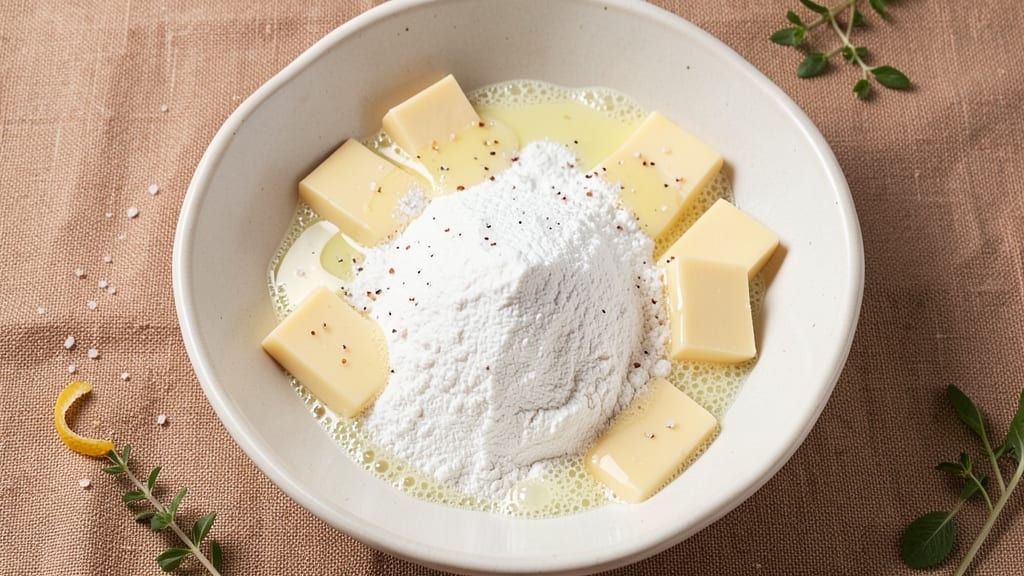
This shortening-free pie crust recipe delivers restaurant-quality flakiness without a single gram of butter or shortening. The secret lies in cold plant-based fats—whether coconut oil, vegan butter, or even aquafaba—that create those signature delicate layers.
I've perfected this technique over years of baking, ensuring your crust stays crisp yet tender, with a golden-brown finish that's impossible to resist.
The magic happens in the mixing and handling: keeping everything cold prevents soggy crusts, while proper rolling and docking (poking holes) prevents bubbling. This recipe works for both sweet pies and savory tarts, making it versatile enough for apple, pumpkin, or even quiche.
The texture is what sets it apart—flaky, crisp, and sturdy enough to hold fillings without breaking.
Blind baking becomes effortless with this method, and the crust holds its shape even under heavy fillings. Whether you're new to vegan baking or a seasoned pro, this recipe eliminates common pitfalls like shrinking or cracking. The result? A crust so good, no one will guess it's butter-free.
Ready to elevate your baking game? This recipe transforms pie crust from a chore into a showstopper—every slice will have your guests asking for the secret. Let's get baking with a crust that's as impressive as the fillings you'll pair with it.
Ingredients for shortening free pie crust
Six ingredients, one game-changing technique for restaurant-quality pie crust without butter or shortening.
| Ingredient | Amount | Notes |
|---|---|---|
| All-Purpose Flour 🌾 | 2 ½ cups | Unbleached, spooned and leveled |
| Cold Coconut Oil 🥥 | ½ cup | Solid, not melted, for flakiness |
| Vegan Butter Substitute 🧈 | ½ cup | Cold, firm vegan butter (e.g., Miyoko's) |
| Ice Water 💧 | ⅓ cup | Chilled to keep dough cold |
| Fine Sea Salt 🧂 | ½ tsp | Diamond Crystal preferred |
| Aquafaba 🍳 | 2 tbsp | Optional, for extra flakiness |
| Granulated Sugar 🍚 | 1 tbsp | For golden-brown finish |
The cold fats are non-negotiable here—coconut oil and vegan butter must be solid, not melted, to create those signature flaky layers. Miyoko's or Earth Balance vegan butters work best; store-bought brands with additives can compromise texture. For coconut oil, grab the unrefined, organic kind from Trader Joe's or Whole Foods—it stays solid longer. The flour? King Arthur or Bob's Red Mill unbleached all-purpose is ideal, but any good-quality brand works. Keep everything chilled until ready to use—warm ingredients = tough crust.
No coconut oil? Vegan shortening like Crisco Plant-Based works in a pinch, but texture may differ slightly. Running short on vegan butter? Extra coconut oil or aquafaba can bridge the gap, though proportions may need tweaking. The aquafaba (chickpea brine) is a pro trick—store it in the fridge and use within 3 days for best results. For salt, Diamond Crystal dissolves cleaner than table salt, but kosher will work if that's what you have. The sugar? White or light brown both work, but white gives a cleaner finish.
This dough is best used immediately, but you can wrap tightly in plastic and refrigerate for up to 48 hours—no longer, or it loses its flakiness. For longer storage, freeze shaped discs between parchment paper for up to 3 months. Thaw in the fridge overnight before using. The key to success? Keep everything cold—work on a chilled surface, use cold rolling pins, and don't overwork the dough. The result is a crust so impressive, even butter lovers won't notice the difference.
Why You'll Love This Recipe
- This crust handles everything: a quick apple galette for breakfast, a savory mushroom tart for dinner, or a frozen backup for Thanksgiving leftovers. (Yes, even on a Tuesday night.) It’s my go-to for when I’m too tired to fuss.
- No-Fuss Assembly: I swear by this crust because it’s three bowls and five minutes—no food processor, no chilling stress. Just toss flour, coconut oil, and vegan butter with your fingers, then add ice water until it holds. Honestly, my hands are rarely this clean in a pie recipe.
- Buttery Without Butter: The combo of cold coconut oil and vegan butter substitute gives that flaky magic—crisp edges, tender crumb—without any weird aftertaste. I’ll be real: my pie-eating friends don’t even ask what’s in it.
- Pie for Any Occasion: This crust handles everything: a quick apple galette for breakfast, a savory mushroom tart for dinner, or a frozen backup for Thanksgiving leftovers. (Yes, even on a Tuesday night.) It’s my go-to for when I’m too tired to fuss.
Step-by-step instructions for shortening-free pie crust
This method delivers professional flakiness without butter or shortening—just precise technique.
Combine Dry Ingredients
In a large mixing bowl, whisk together the 2.5 cups all-purpose flour, 0.5 teaspoon fine sea salt, and 1 tablespoon granulated sugar. This dry blend ensures even distribution of salt and sugar throughout the crust, which prevents any one area from becoming overly crisp or sweet.
Use a whisk for 30 seconds to break up any flour lumps. The sugar will help create a golden-brown finish on the crust edges, while the salt enhances flavor. Keep the bowl nearby—we'll add the fats next.
Cut in Cold Fats
Add the 0.5 cup cold coconut oil and 0.5 cup vegan butter substitute to the dry ingredients. Using a pastry cutter or two forks, work the fats into the flour until the mixture resembles coarse crumbs with pea-sized pieces remaining. This texture is crucial—it creates pockets of fat that will melt during baking, producing flaky layers.
Work quickly but deliberately. If the fats soften, return the bowl to the refrigerator for 5 minutes to firm them up again. The goal is to maintain cold temperature throughout the process—this prevents the crust from becoming tough.
Incorporate Aquafaba and Ice Water
In a separate small bowl, whisk together the 2 tablespoons aquafaba (if using) and 0.33 cup ice water. The aquafaba adds protein for extra flakiness, while the ice water keeps the dough cold. Gradually pour this mixture into the fat-flour combination, mixing gently with a fork or your fingers until just combined.
Be careful not to overmix—stop as soon as the dough comes together. The dough should hold when pressed, but still feel slightly crumbly. If it's too dry, add 1 teaspoon more ice water; if too sticky, chill for 10 minutes before proceeding.
Chill the Dough
Divide the dough into two equal discs, flatten into 6-inch rounds, wrap tightly in plastic wrap, and refrigerate for at least 1 hour (or up to 24 hours). This resting period is essential—it relaxes the gluten, prevents shrinking during baking, and allows the fats to firm up completely.
For best results, chill the dough on a floured surface. The cold temperature ensures the crust maintains its structure when rolled out later. If you're in a hurry, freeze the discs for 20 minutes before rolling.
Roll and Transfer
On a lightly floured surface, roll one disc into a 12-inch circle, about 1/8-inch thick. The dough should be cold but pliable—if it cracks, let it rest 5 minutes longer. Gently transfer the rolled crust to a 9-inch pie dish, pressing it into the bottom and up the sides. Trim any excess dough, leaving about 1/2-inch overhang. Fold the overhang under itself to create a neat edge.
Repeat with the second disc for a top crust, or reserve for another use. The key is to handle the dough minimally—every touch develops gluten, which can make the crust tough. If you need to, chill the rolled crust for 15 minutes before transferring to prevent shrinking.
Pro Tips For Making Shortening Free Pie Crust
- Use a Food Processor—But Not Too Long: The second the coconut oil and vegan butter start melting, stop. I’ve seen people pulse this into a paste and end up with a greasy mess instead of flaky layers. You want it to look like coarse crumbs with pea-sized fat bits—just enough to coat the flour without turning it into dough.
- Chill the Dough in Layers: Wrap the dough in plastic and pop it in the fridge for at least 30 minutes. Then, for extra insurance, transfer it to the freezer for 15 minutes before rolling. This isn’t just about preventing shrinking—it’s about keeping the coconut oil firm enough to create those crisp, separate layers instead of a tough, gummy crust.
- Skip the Over-Kneading Trap: This dough fights back. The moment it starts to feel smooth, you’ve gone too far. It should look shaggy and uneven—like it’s resisting you. Resist the urge to force it into submission; that’s when gluten gets overworked and the crust turns dense. A quick press with your fingers is all it needs.
- Mix Ice Water by Hand: Use a tablespoon to drizzle the ice water over the dough, one at a time, mixing with a fork. A splash from a measuring cup means uneven moisture—some spots will be dry, others soggy. You’re aiming for just enough to hold the dough together without making it sticky or gummy. If it’s still crumbly, add a little more. If it sticks, you’ve overdone it.
Perfect pairings for this recipe
Sweet Pie Fillings
This crust shines with classic apple pie—use Granny Smith and Honeycrisp apples (about 6 cups peeled and sliced) tossed with ½ cup brown sugar, 2 tbsp lemon juice, and 1 tsp cinnamon.
For pumpkin pie, mix 1.5 cups pumpkin puree, ¾ cup coconut milk, ½ cup maple syrup, and 1 tsp pumpkin pie spice. The crust’s flaky texture contrasts perfectly with creamy fillings. 🍏
Savory Tart Pairings
Try a spinach and mushroom tart with 8 oz sautéed mushrooms, 4 cups baby spinach, and 1 cup vegan ricotta. For quiche, fill with 6 eggs, 1 cup vegan cheese, and ½ cup diced bell peppers.
The crust’s sturdy structure holds up to wet fillings without sogginess. Pre-bake the crust for 10 minutes at 375°F before adding fillings. 🍄
Beverage Pairings
A chilled glass of sparkling apple cider (like Martinelli’s) complements sweet pies, while iced hibiscus tea adds a floral note to savory tarts. For coffee lovers, a strong brew with a splash of oat milk balances rich fillings. Avoid heavy cream-based drinks—they can make the crust taste greasy. 🍺
Garnishes to Elevate
Dust the top of baked pies with powdered sugar or sprinkle toasted pecans for crunch. For savory tarts, add fresh thyme or vegan parmesan. A drizzle of dark chocolate ganache (melt ½ cup vegan chocolate with ¼ cup coconut cream) adds decadence to fruit pies. 🌟
Seasonal Adaptations
In fall, swap apples for pears or cranberries—toss with orange zest and cloves for warmth. Summer calls for berry tarts with raspberries and blackberries, while winter works for pecan or sweet potato pies. Adjust sugar in fillings based on fruit ripeness. ❄️
Nutrition facts
Frequently asked questions
Can I substitute coconut oil with another fat?
Yes! For a neutral flavor, use vegan shortening (like Crisco Plant-Based) or extra firm tofu (mashed) instead of coconut oil. If using tofu, drain well and freeze for 30 minutes first to mimic cold fats. For a richer taste, swap in vegan butter (like Miyoko's) at a 1:1 ratio. Always keep fats cold to maintain flakiness.
Why does my crust turn out tough instead of flaky?
Overworking the dough develops gluten, which makes crusts tough. Work quickly, handle minimally, and keep everything cold. If the dough feels sticky, chill longer—30 minutes extra helps. Also ensure your fats are solid (not melted) and use a pastry cutter, not your hands, to mix. The 1-hour chill time before rolling is non-negotiable!
How do I blind bake this crust without sogginess?
Preheat oven to 375°F and line the crust with parchment paper, adding pie weights or dried beans. Bake for 15 minutes, then remove weights and bake 5-7 minutes more until golden. For extra insurance, brush the bottom with vegan milk before baking. The crust’s sturdy structure holds up beautifully—no soggy bottoms here!
Can I make this crust ahead of time?
Wrap chilled dough discs in plastic and refrigerate for up to 48 hours or freeze for 3 months. Thaw in the fridge overnight before using. For pre-rolled crusts, freeze between parchment paper. The key is to avoid temperature fluctuations—never thaw at room temperature, or the fats will soften and lose flakiness.
What’s the secret to a crisp edge?
Egg washes aren’t vegan-friendly, but you can achieve golden edges with aquafaba wash! Mix 1 tbsp aquafaba with ½ tsp sugar, brush on the crust before baking, and sprinkle with granulated sugar. Bake until edges are golden brown. For extra crispiness, pre-bake the crust (unfilled) for 8-10 minutes before adding fillings.