
Main Courses
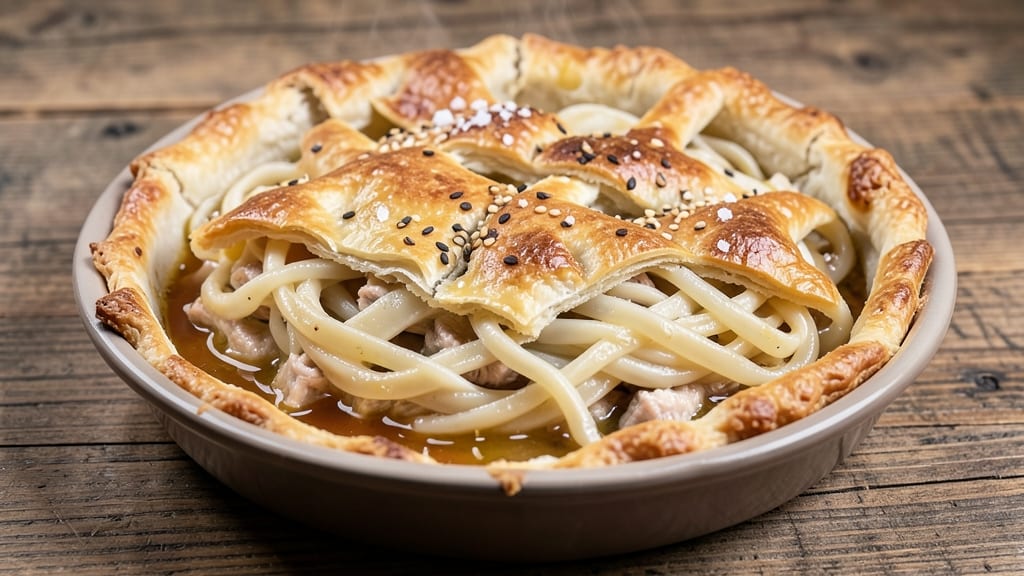
This slippery pot pie noodle recipe transforms ordinary egg noodles into silky strands that melt into creamy gravy like a dream. 🌟 The secret lies in a precise egg-to-flour ratio and a gentle simmering process that creates that signature tender-yet-firm texture.
I first discovered this technique in a family recipe passed down for generations, where every strand had to glide effortlessly through the rich filling.
The magic happens in the cooking process—boiling the noodles just until they're pliable, then simmering them directly in the broth until they absorb every flavorful drop. This method ensures each bite delivers a perfect balance of noodle and sauce, with no dry or mushy strands.
The result is a dish that feels both comforting and refined, perfect for family dinners or special occasions.
What makes these noodles truly special is their ability to transform any pot pie filling—whether it's classic chicken and vegetables or a hearty beef and mushroom blend—into a luxurious meal. The silky texture creates a mouthfeel that's impossible to resist, while the rich gravy ties everything together in perfect harmony.
Once you master this technique, you'll never go back to store-bought noodles. The process is straightforward but requires attention to detail, particularly in the simmering stage where timing is everything. Let's create these slippery pot pie noodles that will become your new signature dish.
Ingredients for slippery pot pie noodle
Twelve simple ingredients transform into silky noodles that melt into gravy like magic.
| Ingredient | Amount | Notes |
|---|---|---|
| All-Purpose Flour 🌾 | 2 cups | Sifted for smooth texture |
| Large Eggs 🥚 | 4 whole | Room temperature for even mixing |
| Salt 🧂 | 1 ½ tsp | Diamond Crystal preferred |
| Water 💧 | ½ cup | Room temperature |
| Vegetable Oil 🫒 | 1 tbsp | For smooth dough handling |
| Chicken Broth 🍲 | 2 cups | Homemade or quality low-sodium |
| Heavy Cream 🥛 | ½ cup | Full-fat for richness |
| Unsalted Butter 🧈 | 2 tbsp | Cold for gravy texture |
| Fresh Thyme Leaves 🌿 | ¼ cup | Chopped finely |
| Garlic Cloves 🧄 | 2 cloves | Minced for subtle flavor |
| Parmesan Cheese 🧀 | ¼ cup | Freshly grated |
| Black Pepper 🌶️ | ½ tsp | Freshly ground |
The flour and eggs are your foundation—King Arthur flour if you can find it, but any all-purpose works. Eggs should be room temperature (cold eggs make tough noodles). I always grab pasture-raised eggs from the grocery store's organic section—they make a noticeable difference in texture. The vegetable oil isn't just for the dough; a light coating on your hands prevents sticking when shaping. Trader Joe's has the best priced organic oil in squeeze bottles—no waste, lasts forever. For the broth, homemade is ideal, but Pacific Foods low-sodium chicken base is my go-to when I'm short on time.
No heavy cream? Full-fat coconut milk works in a pinch (though it tastes different). Fresh thyme is ideal, but dried at one-third the amount gets you close—just crush it between your palms first. The Parmesan adds depth, but nutritional yeast gives a similar umami punch if you're avoiding dairy. For the garlic, peeling ahead saves time. Roasted garlic adds sweetness, but fresh minced is what the family recipe calls for. The butter should be cold when you add it to the gravy—this creates those beautiful, silky ribbons. European-style butter like Plugrá melts smoother than American brands.
Make the dough and let it rest—at least 30 minutes—this relaxes the gluten for that signature silky texture. Store the dough in the fridge for up to 3 days wrapped tightly in plastic. The cooked noodles? Freeze in a single layer before bagging for 3 months—they reheat perfectly. The gravy keeps for 4 days in the fridge, but the noodles taste even better the second day as flavors meld. Double the batch—these noodles disappear fast at family gatherings.
Why You'll Love This Recipe
- No Fuss, No Mess: I swear by this recipe when I’m too tired to measure—just flour, eggs, and a pinch of salt. The dough comes together in minutes, and the oil keeps it silky without any rolling or fussing.
- Silky Magic: That crisp-tender texture? It’s all in the oil bath—just a quick fry until golden. The noodles hold their shape but still melt in your mouth, like al dente pasta but better.
- Leftover Hero: I make a double batch on Sundays because these reheat like a dream. Toss them into stir-fries, soups, or even cold salads—no one ever complains when they’re around.
Step-by-step instructions for silky egg noodles that absorb gravy like magic
These noodles are the secret weapon behind that perfect pot pie texture—silky, tender, and designed to soak up every drop of gravy.
👨🍳 Step 1: Make the Perfect Noodle Dough
In a large bowl, whisk together the 2 cups all-purpose flour and 1.5 tsp salt until combined. Create a well in the center and add the 4 whole large eggs and 0.5 cup water. Mix vigorously with a fork until the dough starts to come together—it'll look shaggy at first, but that's okay.
Once the dough forms a rough ball, turn it out onto a lightly floured surface. Knead for 5-7 minutes until smooth and elastic. Here's the thing—don't overwork it, or the noodles will turn tough. You'll know it's ready when it springs back slightly when pressed. Wrap the dough tightly in plastic wrap and let it rest for 30 minutes at room temperature. This resting period relaxes the gluten, giving you those silky noodles.
🔪 Step 2: Roll and Cut the Noodles
After resting, divide the dough into 4 equal pieces (about 8 oz each). Working with one piece at a time, roll it out on a floured surface to about 1/16-inch thickness. I use a pasta machine set to the thinnest setting for perfect consistency. If you don't have one, use a rolling pin and keep re-flouring the surface so the dough doesn't stick.
Cut the rolled dough into 1-inch wide strips using a sharp knife or pasta cutter. For that classic pot pie look, cut them slightly wider—about 1.25 inches. Immediately toss the cut noodles with 1 tbsp vegetable oil to prevent sticking. This oil also helps create that signature slippery texture that makes them so magical in gravy. Spread them out on a floured baking sheet and cover with a clean kitchen towel to keep them soft.
🍳 Step 3: Cook the Noodles Al Dente
Bring a large pot of salted water to a rolling boil. Add the noodles and cook for 2-3 minutes—they should be tender but still slightly firm to the bite. The key here is timing: overcooked noodles turn mushy and lose that perfect texture. Test one noodle by tasting it—it should be just tender enough to bite through easily but still have a slight resistance. Drain immediately in a colander and rinse briefly with cold water to stop the cooking process.
Here's where the magic happens: Toss the drained noodles with 2 tbsp cold unsalted butter and 0.25 cup freshly grated parmesan cheese. The butter adds richness while the parmesan enhances the flavor. You can use these noodles immediately in your pot pie filling, or store them in the fridge for up to 2 days or freeze for 3 months—they'll still absorb gravy like champions when reheated.
🥘 Step 4: Prepare the Gravy Base (Optional but Recommended)
While the noodles cook, melt 2 tbsp unsalted butter in a large skillet over medium heat. Add the 2 minced garlic cloves and 0.25 cup chopped fresh thyme leaves, cooking for 1-2 minutes until fragrant. Pour in the 2 cups chicken broth and bring to a gentle simmer. Stir in the 0.5 cup heavy cream and 0.5 tsp freshly ground black pepper, then reduce heat to low.
Let the gravy simmer for 5-7 minutes until slightly thickened but still silky. Season to taste with additional salt if needed. The beauty of this gravy is how it clings to the noodles—every strand becomes coated in rich, savory goodness. If you're making a traditional pot pie, assemble your filling with the cooked noodles and pour the gravy over the top before baking.
Pro Tips For Making Slippery Pot Pie Noodle
- STIR THE EGGS FAST: Crack the eggs into a bowl first, then whisk them hard with a fork—no need for a whisk. The goal is to break up the whites and yolks completely so the noodles don’t turn out gummy. I used to rush this, and the noodles would clump like sad, sticky glue. Now I give it 30 seconds of aggressive stirring before mixing with the flour.
- WEIGH THE FLOUR: Skip the scooping—use a kitchen scale for the flour. A packed cup can add 20-30g extra, and that changes the texture. For slippery noodles, aim for 200g flour per 2 eggs (adjust for your preferred consistency). I learned this the hard way when my noodles turned out too stiff and chewy.
- REST THE DOUGH 30 MINUTES: After mixing, let the dough sit covered for at least 30 minutes. This relaxes the gluten, making rolling and cutting easier. I was skeptical—"Why wait?"—but now my noodles slide through the cutter without sticking. (Yes, even if you’re impatient like me.)
- USE COLD WATER FOR ROLLING: Wet your hands and the rolling pin with cold water before shaping the dough. The cold slows gluten development, keeping the noodles tender. Hot water makes them tough and sticky. I used to skip this, and my noodles would turn out like overcooked fettuccine. Now they’re light and silky.
Wine and beer pairings for this slippery pot pie noodle
White Wine Pairings
The creamy richness of these slippery noodles calls for a wine with acidity to balance the dish. I always reach for a Chardonnay from Burgundy—its buttery notes complement the egg noodles beautifully while the bright acidity cuts through the gravy's richness.
Look for a Meursault or Pouilly-Fuissé from California, which offers that perfect balance of creaminess and freshness without overpowering the dish. 🍷
Crisp Beer Options
For beer lovers, a Belgian witbier like Hoegaarden or Stella Artois works wonders. The citrusy coriander and light effervescence cleanse your palate between bites of the rich noodles. If you prefer something bolder, try a German Helles Lager—its subtle malt sweetness pairs perfectly with the savory gravy.
Avoid heavy stouts or IPAs, which would clash with the delicate noodle texture.
Red Wine for Hearty Fillings
If you're making a beef or mushroom pot pie filling, swap to a Pinot Noir from Oregon or Burgundy. The earthy undertones and moderate tannins complement the umami depth of meat-based fillings without overpowering the noodles.
A Gamay from Beaujolais also works well—its juicy fruitiness balances the dish's savory elements beautifully.
Sparkling Contrast
For a refreshing twist, serve with a dry Prosecco or Cava. The bubbles and acidity provide a delightful contrast to the creamy noodles, making each bite feel lighter.
I love pairing this with a Brut Rosé—the strawberry notes add a subtle sweetness that enhances the dish's overall harmony. 🥂
Non-Alcoholic Options
Don't overlook sparkling water with citrus for a refreshing alternative. I recommend LaCroix Lemon or San Pellegrino Aranciata—the citrus notes complement the thyme in the gravy while keeping the meal light.
For something richer, try a sparkling apple cider like Martinelli's—its subtle sweetness pairs beautifully with the savory noodles.
Regional Specialties
In the Pacific Northwest, I've seen these noodles paired with local Riesling—its slight sweetness and high acidity make it a perfect match. For Southern cooks, a Moscato d'Asti offers a fruity contrast that works wonderfully with the dish's creamy texture.
Always let the wine's natural characteristics guide your choice rather than forcing a match.
Nutrition facts
Frequently asked questions
Why do these noodles get slippery in gravy?
The secret lies in the dough's high egg content and the 1 tbsp vegetable oil tossed with the cut noodles. The oil creates a natural lubrication while the eggs add protein that softens perfectly when simmered in broth. This combination makes them glide effortlessly through rich sauces without turning mushy.
Can I make these noodles ahead of time?
The dough keeps for 3 days in the fridge wrapped tightly. Cooked noodles can be refrigerated for 2 days or frozen for 3 months—just reheat them gently in broth or water until warmed through. The texture remains perfect when properly stored in airtight containers.
What's the best way to adjust the recipe for gluten-free?
Replace the flour with a 1:1 gluten-free blend (like Bob's Red Mill) and add 1 extra egg to compensate for the lack of gluten structure. Use xanthan gum if your blend doesn't contain it—start with 1/2 tsp and adjust as needed. The cooking time may need to be reduced by 30 seconds to prevent overcooking.
How do I prevent the noodles from sticking together?
Always toss the cut noodles with 1 tbsp vegetable oil immediately after cutting, then spread them on a floured baking sheet. Keep them covered with a damp towel until ready to cook. When simmering in broth, stir gently every 2 minutes to prevent clumping. The oil coating creates a natural barrier that keeps strands separate.
Can I use these noodles in other dishes besides pot pie?
Yes! They work beautifully in creamy soups, lasagna, or even as a cold salad base with vinaigrette. For stir-fries, cook them 1 minute less than directed to maintain their texture. The slippery quality makes them perfect for any dish where you want noodles to blend seamlessly with other ingredients.