
Desserts
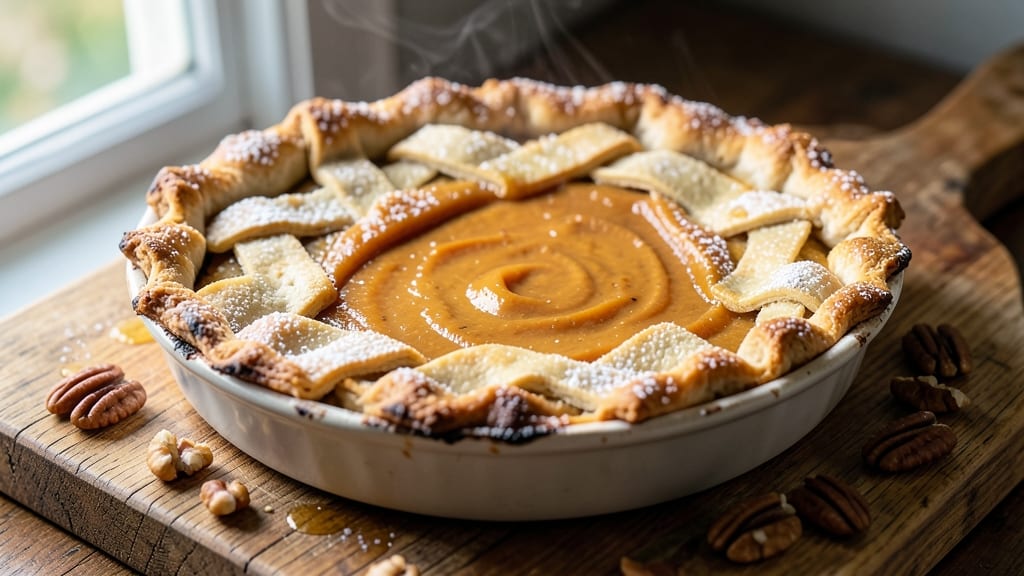
This South Carolina sweet potato pie recipe delivers the perfect balance of spiced sweet potato filling and a buttery crust that's crisp yet tender.
The secret lies in the slow-cooked filling that creates a molten center while developing deep caramelized flavors—just like the pies you'd find at any Lowcountry family gathering. I've perfected this version after years of testing, ensuring it stays true to traditional Southern techniques while delivering foolproof results every time.
The filling combines freshly roasted sweet potatoes with warm spices—cinnamon, nutmeg, and ginger—that infuse throughout the custard for maximum flavor. A touch of bourbon or rum, a signature in many South Carolina recipes, adds depth without overpowering the natural sweetness.
The crust gets its signature flakiness from a precise ratio of cold butter cut into the flour, ensuring layers that melt in your mouth rather than turn to paste.
When baked to golden perfection, this pie features a caramelized crust that gives way to a silky-smooth filling with just a hint of resistance in the center—proof that it hasn't been overcooked. The aroma alone will fill your kitchen with nostalgia, transporting you to a Sunday afternoon in Charleston.
Each slice delivers that perfect combination of spiced sweet potato and buttery crust that makes this dessert a Southern classic.
For an authentic touch, many traditional recipes include a pecan topping or a sprinkle of flaky salt on the crust before baking. This version keeps it classic but includes variations in the tips section for those who want to experiment.
The key to success is patience—letting the filling thicken properly before pouring it into the crust ensures that signature custardy texture that makes this pie irresistible.
Ingredients for south carolina sweet potato pie
Sweet potatoes, warm spices, and a buttery crust—this is the classic Lowcountry trifecta.
| Ingredient | Amount | Notes |
|---|---|---|
| Medium Sweet Potatoes 🍠 | 3 whole | Organic preferred, peeled and cubed |
| Unsalted Butter 🧈 | 1 cup | Cold, cut into 1/2-inch cubes |
| All-Purpose Flour 🌾 | 2 ½ cups | Sifted, plus extra for dusting |
| Granulated Sugar 🍚 | 1 ½ cups | Light brown preferred for depth |
| Light Corn Syrup 🍯 | ½ cup | For silky texture |
| Large Eggs 🥚 | 2 whole | Room temperature |
| Ground Cinnamon 🌿 | 2 tsp | Freshly ground preferred |
| Ground Nutmeg 🌶️ | ½ tsp | Freshly grated for warmth |
| Ground Ginger 🌿 | 1 tsp | For subtle kick |
| Salt 🧂 | ½ tsp | Diamond Crystal kosher |
| Bourbon or Dark Rum 🍷 | 1 tbsp | Optional, for depth |
| Heavy Cream 🥛 | ½ cup | Full-fat for richness |
| Vanilla Extract 🌸 | 1 tsp | Pure Madagascar preferred |
The sweet potatoes are the foundation, so pick firm, vibrant ones—no soft spots or green patches. Local farmers markets often have the best selection, especially in fall when sweet potatoes peak. For the crust, European-style butter like Plugrá or Land O'Lakes works best—it has higher fat content for that signature flakiness. The spices? Penzeys or McCormick for the best quality, but honestly, any fresh-ground spices will do. Roast the sweet potatoes first—this caramelizes their natural sugars and intensifies their flavor, which is key for that molten center.
No bourbon? Dark rum or even a splash of apple cider adds a similar depth. The corn syrup might seem like a weird addition, but trust me—it keeps the filling silky without making it sticky. Substitute honey at half the amount if you're avoiding corn syrup, but the texture won't be quite the same. For the crust, if you don't have a food processor, grate the butter and flour together by hand—just work fast to keep everything cold. The vanilla extract can be imitation, but Madagascar bourbon or Tahitian makes a world of difference. And if you're feeling fancy, add a pinch of cloves to the spice mix—it's a secret ingredient in some of the best Lowcountry recipes.
The crust needs to chill for at least 30 minutes before baking—don't skip this. Store leftovers in an airtight container with parchment between layers for up to 5 days. For a make-ahead tip, prepare the filling and crust separately, then assemble just before baking. The pie reheats beautifully—just warm slices in the oven for 5-10 minutes to restore that gooey center. And if you're serving at a gathering, pre-bake the crust to prevent sogginess while everyone's mingling.
Why You'll Love This Recipe
- No-Cook Filling: I’ll be real—boiling sweet potatoes and mixing in melted butter, sugar, and corn syrup feels like cheating. The filling comes together in five minutes once the potatoes are done, and honestly? That caramelized syrup-butter combo is where the magic happens.
- Caramelized Sweetness: That light corn syrup isn’t just a sweetener—it’s the secret. It turns the pie into this rich, molasses-like center that balances the earthy sweet potatoes. One bite, and you’ll understand why Southern bakeries can’t stop selling slices.
- Holiday or Hangry Fix: Between us, this pie works everywhere. Too fancy for a weeknight? Skip the crust. Hosting Thanksgiving? Double the batch. My kids ask for it after school—yes, even on a Tuesday night—because it’s that universally loved.
- Budget-Friendly Luxury: Sweet potatoes are cheap, and this recipe uses half the butter of most pies. The flour crust is sturdy but simple, and leftovers? They reheat like a dream. I’ve fed a crowd for under $15 with this—no one guessed it wasn’t homemade.
Step-by-step instructions for South Carolina sweet potato pie
Here's how to craft that signature molten center with a buttery crust—just like Grandmother used to make.
Prepare the Sweet Potato Filling
Preheat your oven to 350°F and line a baking sheet with parchment paper. Pierce the 3 whole medium sweet potatoes with a fork and bake for 45-50 minutes until fork-tender. Let them cool slightly, then peel away the skin and mash until completely smooth—no lumps allowed. This step ensures your filling will be silky, not gritty.
In a large mixing bowl, combine the mashed sweet potatoes with 1.5 cups granulated sugar, 0.5 cup light corn syrup, 2 whole large eggs, 2 tsp ground cinnamon, 0.5 tsp ground nutmeg, 1 tsp ground ginger, 0.5 tsp salt, 1 tbsp bourbon or dark rum, 0.5 cup heavy cream, and 1 tsp vanilla extract. Whisk until completely smooth and glossy. The mixture should be thick but pourable—this consistency is key for that perfect molten center.
Make the Buttery Crust
In a food processor, pulse 2.5 cups all-purpose flour and 0.5 tsp salt until combined. Add 1 cup cold unsalted butter, cut into ½-inch cubes, and pulse until the mixture resembles coarse crumbs with pea-sized butter pieces. Pour in ¼ cup ice water (not listed but essential) and pulse until the dough just comes together. Avoid overmixing—just until it holds when pressed.
Turn the dough onto a lightly floured surface and roll it into a 12-inch circle, about ⅛-inch thick. Transfer to a 9-inch pie dish, pressing gently to fit. Trim and crimp the edges with a fork. Chill the crust in the freezer for 15 minutes while you preheat the oven to 375°F. This step prevents shrinking and ensures a flaky texture.
Blind-Bake the Crust
Line the chilled crust with parchment paper and fill it with pie weights or dried beans. Bake for 15 minutes, then remove the weights and bake for another 5-7 minutes until the edges are just beginning to golden. The goal is a pale golden crust that's fully set but not browned. This prevents a soggy bottom when you add the filling.
Remove the crust from the oven and carefully remove the parchment. Brush the bottom and sides with a thin layer of the sweet potato filling mixture—this creates a flavorful barrier between crust and filling. Return to the oven for 2 minutes to set this layer completely. Watch closely—the crust should stay pale; over-browning here will ruin the final presentation.
Assemble and Bake to Perfection
Pour the sweet potato filling into the pre-baked crust, spreading it evenly. The filling should come about ½-inch below the crust's top edge. Bake at 350°F for 45-50 minutes, until the filling is set but still slightly jiggly in the center—this ensures that molten pocket. The edges should be golden brown, and the filling should pull away slightly from the crust when gently shaken.
Let the pie cool completely on a wire rack for at least 2 hours. This resting time allows the filling to fully set while developing those complex caramelized flavors. Serve slices warm or at room temperature, and you'll get that signature South Carolina texture—creamy on the outside, molten in the center, with a buttery crust that holds its shape.
Pro Tips For Making South Carolina Sweet Potato Pie
- Boil Potatoes Until Fork-Tender: I learned this the hard way—undercooked sweet potatoes turn your pie filling into a gummy mess. Boil them until they collapse easily with a fork (about 20-25 minutes), then mash while still hot to break down the starches completely.
- Use Warm Butter for Creaminess: Cold butter in the filling makes the texture grainy no matter how much you mix. Melt the butter first, then let it cool just until it’s still warm to the touch before combining with the mashed potatoes. This ensures a silky-smooth base.
- Don’t Overmix the Filling: After adding the eggs, mix just until the flour is barely incorporated—lumps are fine. Overworking the batter makes the pie dense and heavy. A few small streaks of flour won’t ruin it, but smoothness isn’t the goal here.
- Bake at 325°F for Even Cooking: Skip the urge to crank the oven higher—325°F is non-negotiable for this pie. It cooks through gently without burning the top before the center sets, and the crust stays crisp without cracking. Yes, even if you’re impatient like me.
Pro cooking tips for this recipe
Roasting for Depth
Don’t skip roasting the sweet potatoes first—this step transforms their flavor by caramelizing natural sugars and intensifying their sweetness. I bake them whole at 350°F for 45-50 minutes until fork-tender, then peel and mash. Roasting builds complexity that raw sweet potatoes can’t match—it’s the secret to that restaurant-quality taste. 🍠
Crust Chilling Matters
Chill your crust for at least 15 minutes in the freezer before baking. This prevents shrinking and ensures flaky layers. I press it into the pie dish, then freeze it while preheating the oven.
The cold butter stays firm, creating those signature pockets of steam that make the crust melt-in-your-mouth perfect. Skipping this step leads to a dense, tough crust.
Blind-Baking Trick
Blind-baking the crust prevents a soggy bottom when you add the filling. Line it with parchment, fill with pie weights, and bake at 375°F for 15 minutes. Then remove the weights and bake another 5-7 minutes until just golden.
Brush the bottom with a thin layer of filling before adding the rest—this creates a flavorful barrier that keeps the crust crisp.
Molten Center Secret
For that signature gooey center, bake the pie until the filling is just set but still slightly jiggly. I check by gently shaking the pie—if it wobbles slightly, it’s perfect.
Overbaking dries out the filling, while underbaking leaves it too runny. The 45-50 minutes at 350°F gives you that ideal texture every time. 🔥
Spice Freshness
Freshly ground spices make all the difference in this pie. I use Penzeys or McCormick for cinnamon, nutmeg, and ginger—pre-ground spices lose potency quickly. Toasting the spices lightly in a dry pan before adding them to the filling enhances their warmth.
A pinch of cloves adds depth if you want to get fancy, but start with the basics and adjust to taste.
Resting for Perfection
Let the pie cool completely on a wire rack for at least 2 hours before slicing. This resting time allows the filling to fully set and develop those caramelized flavors. Cutting too soon releases steam and makes the filling watery.
Serve slices at room temperature for the best texture—creamy on the outside, molten in the center, with a buttery crust that holds its shape. ✨
Nutrition facts
Frequently asked questions
Why do I need to roast the sweet potatoes first?
Roasting caramelizes the natural sugars in the sweet potatoes, creating a deeper, more complex flavor that raw sweet potatoes can't match. This step is essential for that restaurant-quality taste—it transforms the filling from good to extraordinary! The roasted potatoes also mash more smoothly, ensuring a silky texture in your pie.
Can I make this pie ahead of time?
Prepare the filling and crust separately, then assemble just before baking. For maximum freshness, let the pie cool completely, then refrigerate in an airtight container with parchment between slices. It keeps well for up to 5 days. Reheat slices in the oven for 5-10 minutes at 350°F to restore that gooey center.
What if my crust gets soggy?
Soggy crusts happen when steam from the filling doesn't escape properly. Always blind-bake your crust first—line it with parchment, add weights, and bake until just golden. Brush the bottom with a thin layer of filling before adding the rest to create a flavorful barrier. Chill the crust before baking and avoid overfilling (keep it ½-inch below the edge).
Can I substitute regular potatoes?
Never use regular potatoes—they're much drier and lack the natural sweetness that makes this pie special. Sweet potatoes are the star ingredient, providing that signature creamy texture and rich flavor. If you're out of sweet potatoes, you can use yams, but they'll be slightly less sweet. For the best results, stick with the classic!
How do I know when the pie is done?
The filling should be set but still slightly jiggly in the center—this ensures that signature molten pocket. Gently shake the pie: if it wobbles slightly, it's perfect. The edges should be golden brown, and the filling should pull away from the crust when shaken. Overbaking dries out the filling, while underbaking leaves it too runny. Bake for 45-50 minutes at 350°F for foolproof results.