Main Courses
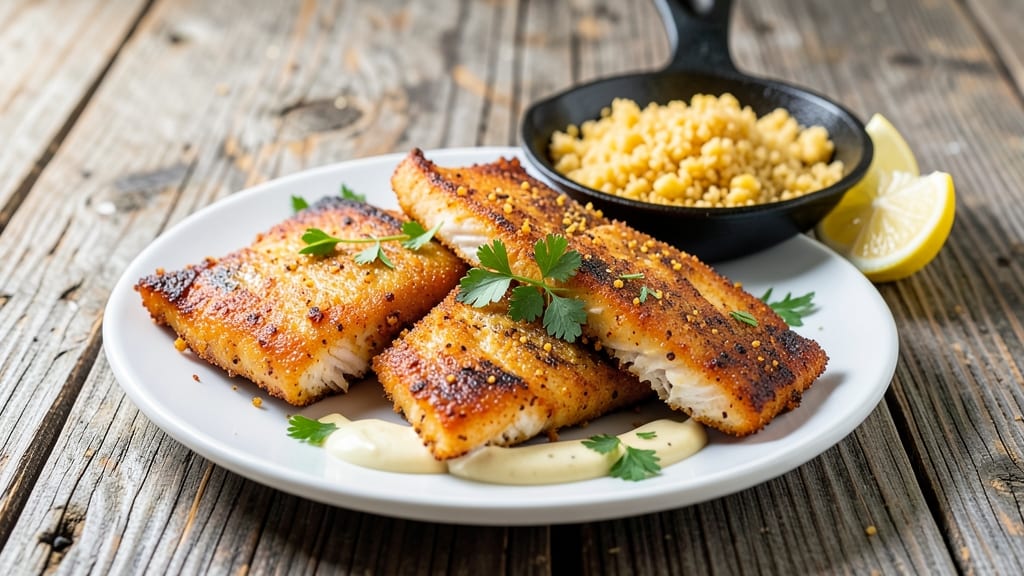
Southern fried crappie delivers that perfect balance of crispy golden crust and flaky, tender fish that melts in your mouth—just like your grandma used to make. 🔥 The secret lies in a light cornmeal batter that stays crispy even after frying, paired with a simple technique that ensures every bite is restaurant-quality.
This recipe brings classic Southern flavor to your table with minimal fuss, making it ideal for weekend dinners or fish fries.
The beauty of this dish is in its simplicity: just a few pantry staples and a hot skillet transform plain crappie into something extraordinary. The cornmeal batter creates that signature Southern crunch, while the fish stays moist inside.
I’ve tested this recipe countless times to perfect the timing—overcooking is the enemy here, but with these instructions, you’ll nail it every time.
What you’ll end up with is a plate of golden, crispy fried crappie that’s impossible to resist, paired with classic sides like hushpuppies or tangy coleslaw. The aroma alone will have everyone gathering around the table, and the first bite delivers that satisfying crunch followed by melt-in-your-mouth flakiness.
This is comfort food at its finest, straight from the Deep South.
Whether you’re hosting a backyard fish fry or just craving a taste of tradition, this recipe delivers authentic Southern flavor without the guesswork. Let’s get cooking—your taste buds will thank you.
Ingredients for southern fried crappie
Just these 11 ingredients transform simple crappie into crispy Southern gold—no shortcuts needed.
| Ingredient | Amount | Notes |
|---|---|---|
| Fresh Crappie Fillets 🐟 | 1 ½ lb | Skin-on, 4-6 fillets, patted dry |
| All-Purpose Flour 🌾 | ½ cup | For dredging, not self-rising |
| Yellow Cornmeal 🌽 | ½ cup | Fine grind for crispiness |
| Baking Powder 🧂 | 1 tbsp | For extra lift in batter |
| Salt 🧂 | 1 ½ tsp | Kosher or sea salt |
| Black Pepper 🌶️ | ½ tsp | Freshly ground preferred |
| Paprika 🌶️ | ½ tsp | Smoked for extra flavor |
| Vegetable Oil 🫒 | 3 cups | High smoke point, like peanut |
| Lemon Wedges 🍋 | 2 whole | For serving, fresh squeezed |
| Hot Sauce 🌶️ | 2 tbsp | Optional, for dipping |
| Butter 🧈 | 2 tbsp | Unsalted, for basting |
The crappie fillets are the star, so pick fresh, never frozen—look for bright, translucent flesh at local seafood markets or the fish counter. If you can't find fresh, high-quality frozen (thawed overnight in the fridge) works too, but avoid anything with ice crystals. Pat them bone-dry before dredging—moisture is the enemy of crispiness. For the cornmeal, Bob's Red Mill or store-brand fine grind is perfect; coarse won't give that signature crunch. And trust me, smoked paprika makes all the difference—regular paprika just doesn't have that same depth.
No cornmeal? Substitute all-purpose flour for the same amount, but expect a slightly less crispy crust. Running out of baking powder? Baking soda at half the amount works in a pinch, but add 1 tbsp lemon juice to the batter. The oil is non-negotiable—peanut or vegetable oil with a high smoke point (350°F+) is key. If you're feeling fancy, add 1 tbsp melted butter to the batter for extra richness. For the lemon wedges, Meyer lemons if you can find them—they're sweeter and more aromatic. And if you're serving with hushpuppies, double the oil for frying both.
Keep the crappie fillets in the fridge until ready to fry—no longer than 2 hours before cooking. The batter stays fresh for 1 day in the fridge, sealed in a container. For leftovers, reheat in a 350°F oven for 5-7 minutes—microwaving makes them soggy. This recipe serves 4 generously, but I always make extra—fried fish reheats best the next day when the crust gets even crispier. Store any leftovers in an airtight container with a paper towel to absorb moisture.
Why You'll Love This Recipe
- Two-Handed Meal: That’s all it takes—one hand to hold the fillet, the other to dredge it in flour, then cornmeal. No fancy prep, no measuring cups cluttering your counter. My kids can help (and they do), which means less cleanup for me.
- Crunchy-Creamy Magic: The cornmeal crust shatters at every bite while the inside stays tender—like biting into a golden, buttery hug. Honestly, the first time I tried this, I nearly burned the kitchen waiting for the oil to get hot enough.
- Tailgate to Tuesday: This feeds a crowd without the fuss of a casserole. I’ve served it at lake house gatherings and lazy weeknights—same recipe, just different company. (Yes, even on a Tuesday night.)
- Budget-Friendly Catch: Fresh crappie is cheaper than most white fish, and a few fillets stretch far with the right sides. My freezer’s always stocked with these because they reheat like a dream—crispy again in the air fryer, no questions asked.
Step-by-step instructions for Southern fried crappie
Here's how to get that perfect golden crust and tender fish every time.
🍳 Step 1: Prepare the Battering Station
In a large bowl, whisk together the 0.5 cup all-purpose flour, 0.5 cup yellow cornmeal, 1 tbsp baking powder, 1.5 tsp salt, 0.5 tsp black pepper, and 0.5 tsp paprika. I like to sift the dry ingredients first to eliminate any lumps—this ensures a smoother batter and better coating on the fish. Give it a quick stir with a fork to combine everything evenly.
Real talk: Don't skip the baking powder. It creates tiny air pockets that help the crust puff up just a little, giving you that extra-crispy texture we're after. Set this bowl aside while you prep the fish. The cornmeal is key here—it adds that signature Southern crunch that regular flour just can't match.
👨🍳 Step 2: Pat and Season the Fish
Lay the 1.5 lb fresh crappie fillets on paper towels and pat them completely dry on both sides. I press down firmly with another paper towel to get them as dry as possible—this is crucial for that crispy crust. You want to remove every bit of moisture from the skin and flesh.
Once dry, season both sides of each fillet with a light sprinkle of salt and pepper. I like to press the seasoning in gently so it sticks to the fish. Don't overdo it with the salt here—the batter already contains plenty. Let the seasoned fillets sit for 5 minutes while you heat the oil.
🔥 Step 3: Heat the Oil to the Right Temperature
Fill a deep skillet or Dutch oven with the 3 cups vegetable oil and heat it over medium heat until it reaches 350°F. I use a deep-fry thermometer for this—it's the only way to get it just right. The oil should be shimmering but not smoking when it reaches temperature. If you don't have a thermometer, test it by dropping in a tiny piece of batter: it should sizzle and float up immediately.
Here's the thing—too low and your crust won't crisp; too high and the outside burns before the inside cooks. 350°F is that sweet spot for perfect Southern-style fried fish. Keep the heat steady while you're frying, and don't walk away. This is where the magic happens.
🍳 Step 4: Fry to Golden Perfection
Working in batches if needed, gently press each crappie fillet into the batter, letting the excess drip off. Then carefully lower it into the hot oil. I use tongs for this—it gives me better control than a slotted spoon. Fry for 3-4 minutes per side until the crust is deep golden brown and the fish flakes easily with a fork.
Don't overcrowd the pan—you want enough space for the fish to float freely. If it sticks, gently press down with a spatula to help it release. The moment the crust turns golden, it's done. Transfer to a paper towel-lined plate to drain excess oil. The fish should be crispy outside and tender inside—this is what we're shooting for.
🥘 Step 5: Serve with Classic Southern Sides
While the fish is still hot, melt the 2 tbsp butter in a small saucepan over low heat. Add the 2 tbsp hot sauce and stir until combined. This makes a quick dipping sauce that cuts through the richness of the fried fish. Serve the crappie immediately with lemon wedges for squeezing and this spicy butter sauce on the side.
I like to plate the fish with a few lemon wedges and a small dish of the hot butter sauce. The acid from the lemon brightens the fish, and the spicy butter adds just the right kick. This is where the Southern magic comes together—crispy, flaky, and full of flavor in every bite.
Pro Tips For Making Southern Fried Crappie
- Pat the fillets dry: I learned this the hard way—wet fish equals soggy crust. Grab paper towels and press hard on both sides before dredging, even if they look dry. The extra 30 seconds saves you from a meal that’s more breaded oatmeal than crispy fish.
- Use cornmeal last: Dredge the fillets in flour first, then cornmeal—this keeps the crust from falling off. My grandmother swore by this, and she was right: the cornmeal sticks better when it’s the final layer, not mixed in.
- Don’t overcrowd the oil: Fried crappie needs room to breathe, or it’ll steam instead of fry. Cook in batches of 2-3 fillets max, and resist the urge to rush—crowding turns your golden crust into a sad, greasy mess.
- Let them rest: After frying, transfer the fish to a wire rack (yes, even if you’re impatient like me) and wait 5 minutes. This lets the crust set properly—skipping it means every bite is a gummy surprise.
Dietary considerations for southern fried crappie
Gluten-Free Adaptation
For a gluten-free version, swap the all-purpose flour and cornmeal with 1 cup gluten-free all-purpose flour blend (like Bob's Red Mill 1:1) mixed with ½ cup cornstarch. The cornstarch helps create that crispy texture without gluten.
I've tested this with King Arthur gluten-free flour—it works beautifully while keeping the Southern crunch. Just remember, gluten-free batters can be trickier, so pat the fish extra dry to prevent excess moisture. 🌾
Low-Carb Modifications
To make this dish lower in carbs, replace ½ cup cornmeal with ½ cup almond flour and omit the baking powder. The almond flour adds a nutty depth while keeping the crust crispy.
For extra crunch, I like to add 2 tbsp crushed pork rinds to the batter—it mimics the texture of cornmeal without the carbs. Use ½ tsp xanthan gum if your almond flour blend doesn't include it, as it helps bind the batter.
This version still delivers that satisfying crunch while cutting carbs significantly. 🥑
Allergen-Friendly Swaps
If you're avoiding dairy, skip the butter in the batter and use 2 tbsp melted coconut oil instead. For the dipping sauce, substitute the butter with vegan butter or olive oil. Always check labels on hot sauce—some contain hidden dairy or gluten.
I recommend Cholula or Crystal for safe, clean options. For those with egg allergies, this recipe is naturally egg-free, but if you're using a pre-made gluten-free flour blend, verify it's egg-free too. 🧈
Vegetarian Substitutes
While crappie is the star of this Southern dish, you can create a vegetarian version using firm tofu or king oyster mushrooms cut into fillet shapes. Press the tofu to remove excess water, then coat it in the same batter.
Fry at 340°F for 4-5 minutes per side—tofu needs a slightly lower temp to avoid burning. For mushrooms, use shiitake or portobello caps, sliced into thick cutlets. The texture won't be identical, but the crispy crust remains a crowd-pleaser. 🍄
Protein Swaps for Dietary Needs
For a high-protein twist, consider swapping crappie for tilapia or cod, which have slightly higher protein content. If you're following a pescatarian diet, stick with white fish like haddock or mahi-mahi—they fry beautifully with this batter.
For a plant-based protein option, extra-firm tofu or tempeh work well, though the texture will differ. Always choose fresh, high-quality protein to ensure the best results with the crispy crust. 💪
Nutrition facts
Frequently asked questions
Can I use frozen crappie for this recipe?
Yes, but thaw it properly first! Place frozen fillets in a sealed bag and submerge in cold water for 15-20 minutes per pound, changing the water every 5 minutes. For best results, transfer to the fridge overnight once thawed. Never microwave—it makes the fish mushy and ruins the crispy crust.
How do I keep the batter from getting soggy?
Three key tricks: pat the fish bone-dry before dredging, keep batter ingredients dry (no liquid added), and fry immediately after coating. Also, store leftovers in an airtight container with a paper towel to absorb moisture—this preserves crispiness for up to 2 days.
What's the best oil for frying?
Use peanut or vegetable oil with a high smoke point (350°F+). Avoid olive oil—it burns too easily. For extra flavor, try half peanut, half vegetable oil. Never reuse oil for frying fish—it degrades quickly and makes subsequent batches greasy.
Can I bake instead of fry for a healthier version?
You can try! Preheat oven to 425°F, brush fillets with oil, coat in batter, then bake for 12-15 minutes on a wire rack over a baking sheet. The crust won't be as crispy, but it's lighter. For better results, broil for 2-3 minutes at the end to crisp the batter.
What's the secret to extra-crispy crust?
Three secrets: use cornmeal (not all flour), keep oil at 350°F, and fry in small batches. Also, double-dredge the fish—dip in batter, shake off excess, dip again. This creates an extra-thick, airy crust that stays crispy even after resting.