
Desserts
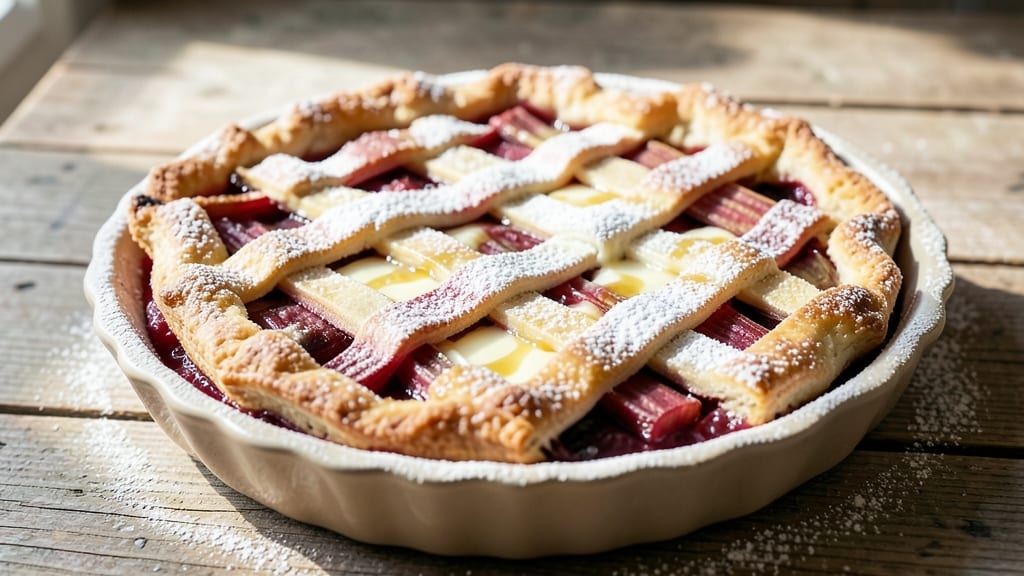
This Amish rhubarb custard pie delivers the perfect balance of tart rhubarb and velvety vanilla custard—just like Grandma used to make. 💛 The secret lies in a simple, handmade crust and a slow-baked custard that creates that signature creamy texture without separating.
I developed this recipe after years of perfecting the art of rustic Amish baking, where every ingredient serves a purpose and simplicity reigns supreme.
What sets this pie apart is the traditional approach: a flaky, all-butter crust that holds its shape beautifully while the custard filling develops a rich, golden crust on top. The rhubarb adds bright acidity that cuts through the custard's sweetness, creating harmony in every bite.
This isn't just dessert—it's a taste of homestead life, where every pie tells a story of patience and care.
By the time it emerges from the oven, you'll have a pie with a tender crust, perfectly set custard, and tender rhubarb pieces throughout.
The aroma alone will have everyone gathering around the table, and the first slice reveals layers of flavor that make it worth every minute of baking time. The best part? It's foolproof enough for beginners but impressive enough for gatherings.
Serve warm with vanilla ice cream for the full Amish homestead experience, or enjoy it at room temperature for a dessert that tastes like summer all year round. Here's how to make it from start to finish, with all the traditional techniques that make this pie special.
Ingredients for amish rhubarb custard pie
Flaky crust, tart rhubarb, and velvety custard—just like Grandma's homestead pie. Simple ingredients, big flavor.
| Ingredient | Amount | Notes |
|---|---|---|
| All-Purpose Flour 🌾 | 2 ½ cups | Unbleached for lighter crust |
| Unsalted Butter 🧈 | 1 cup | Cold, cubed for flaky crust |
| Ice Water 💧 | ½ cup | For pie crust dough |
| Salt 🧂 | ½ tsp | Fine sea salt preferred |
| Rhubarb 🍓 | 3 cups | Chopped into 1-inch pieces |
| Granulated Sugar 🍚 | 1 ½ cups | White or light brown |
| Cornstarch 🌾 | 2 tbsp | For thickening custard |
| Large Eggs 🥚 | 4 whole | Room temperature |
| Heavy Cream 🥛 | 1 cup | Full-fat for richness |
| Vanilla Extract 🌸 | 1 tsp | Pure vanilla preferred |
| Lemon Juice 🍋 | 1 tbsp | Freshly squeezed |
| Vanilla Ice Cream 🍦 | 1 ½ cups | For serving suggestion |
The rhubarb is the heart of this pie, so pick stalks that are firm and vibrant red. Avoid anything woody or slimy—those are signs of age. I always grab mine from local farmers markets in late spring when they're at their peak. If you can't find fresh, frozen rhubarb works too, just thaw and drain it first. For the crust, use cold butter—cut it into small cubes and keep it in the freezer until ready to mix. This ensures those perfect flaky layers. The secret? Don't overwork the dough—just mix until it comes together.
No vanilla extract? Vanilla bean paste works beautifully, or you can scrape seeds from a vanilla bean. Short on heavy cream? Whole milk plus 2 tbsp butter gets you close, though the texture won't be quite as rich. The sugar can be swapped for turbinado or brown sugar if you prefer a deeper flavor—just reduce by 1 tbsp to account for moisture differences. For the custard, if you're worried about curdling, temper the eggs by whisking them with a little warm milk first. And trust me, don't skip the cornstarch—it's what gives that perfect set without being gluey.
This pie tastes even better the next day, so make it ahead if you can. Store it at room temperature, covered loosely, for up to 2 days. For longer storage, freeze the whole pie (without the ice cream) for up to 3 months. To reheat, warm in a 350°F oven for 10-15 minutes—just enough to melt the custard slightly. The crust stays crispy, and the rhubarb keeps its tender bite. I always save a slice for breakfast the next morning—trust me, it's worth it. The ice cream is optional, but honestly, it's the perfect finishing touch.
Why You'll Love This Recipe
- No-Fuss Dough: I swear by that cold butter and ice water trick—it keeps the crust flaky without overworking it. Five minutes of cutting, chilling, and rolling, and you’re done. Honestly, my first attempt was lumpy, but now I make it in my sleep.
- Tart-Sweet Magic: That rhubarb’s bright acidity cuts through the custard’s richness like a perfect balance. The butter in the crust melts into every bite, and the custard? Thick enough to hold a spoon, creamy enough to make you sigh.
- Weekend Crowd-Pleaser: Bring this to brunch and watch it disappear—no one turns down a slice of this. It’s the star at potlucks, church gatherings, or just a lazy Sunday when you want something special but don’t feel like slaving away.
- Budget-Friendly Luxury: Fresh rhubarb’s cheap in season, and the crust uses pantry staples. A single pie feeds six, and leftovers? Even better the second day—if there are any. Between us, I’ve reheated slices twice and still craved more.
Step-by-step instructions for Amish rhubarb custard pie
Here's how to build a pie with a flaky crust, tangy rhubarb filling, and velvety custard layer.
👨🍳 Step 1: Make the Perfect Pie Crust
Cut the 1 cup unsalted butter into ½-inch cubes and place in a large bowl. Add the 2.5 cups all-purpose flour and 0.5 tsp salt. Use a pastry cutter or your fingers to work the butter into the flour until you have pea-sized crumbs with some larger butter pieces remaining.
Add the 0.5 cup ice water all at once and gently mix with a fork until the dough just comes together. Be careful not to overwork it—this creates tough crust. Form the dough into a disk, wrap in plastic, and refrigerate for at least 1 hour (or up to 2 days). The cold dough is easier to roll and prevents shrinking in the oven.
🥘 Step 2: Prepare the Rhubarb Filling
In a large bowl, combine the 3 cups chopped rhubarb with 1.5 cups granulated sugar and 2 tbsp cornstarch. Toss gently to coat the rhubarb evenly. The cornstarch helps thicken the filling as it cooks, preventing a runny center. Let the mixture sit for 15 minutes—this allows the sugar to draw out some of the rhubarb's natural juices.
Transfer the rhubarb mixture to a 9-inch pie dish. Pour in the 1 tbsp lemon juice and mix lightly. The acidity balances the tartness of the rhubarb and brightens the flavor. Preheat your oven to 375°F while you prepare the custard layer.
🍳 Step 3: Make the Creamy Custard Topping
In a medium bowl, whisk together the 4 whole large eggs, 1 cup heavy cream, 1 tsp vanilla extract, and 0.5 tsp salt. The eggs should be room temperature—this ensures they blend smoothly without creating lumps. Whisk until the mixture is completely homogeneous and slightly thickened.
Carefully pour the custard mixture over the rhubarb filling in the pie dish. The custard should cover the rhubarb completely but not overflow the edges. Place the pie on a baking sheet to catch any potential drips during baking.
🔥 Step 4: Assemble and Bake the Pie
Roll out the chilled pie crust dough on a lightly floured surface to about ⅛-inch thickness. Cut a circle slightly larger than your pie dish. Carefully transfer the crust to the pie, draping it over the edges. Trim any excess dough, leaving about ½-inch overhang. Fold the overhang under itself to create a decorative edge.
Crimp the edges with a fork or your fingers to seal. Cut a few small slits in the top crust to allow steam to escape. Bake in the preheated 375°F oven for 45-50 minutes until the crust is golden brown and the custard is set but still slightly jiggly in the center (it will firm up as it cools).
⏰ Step 5: Cool and Serve with Ice Cream
Remove the pie from the oven and let it cool on a wire rack for at least 2 hours—patience here is crucial. The custard needs time to fully set, and serving it warm would make the ice cream melt too quickly. The contrast between the warm pie and cold 1.5 cups vanilla ice cream creates the perfect balance of textures and temperatures.
When ready to serve, slice the pie into wedges and top each with a scoop of vanilla ice cream. The tart rhubarb, creamy custard, and sweet ice cream create a harmonious blend of flavors that's pure comfort food at its finest.
Pro Tips For Making Amish Rhubarb Custard Pie
- Chill the Dough First: Blind-baking the crust without pre-chilling it leads to a soggy bottom—trust me, I’ve done it. Roll out the dough, wrap it tightly in plastic, and stash it in the fridge for at least 30 minutes. The colder it is, the less it shrinks when it hits the oven, and that’s how you get a crisp, golden crust that holds up to the rhubarb’s tart juices.
- Trim and Chop Rhubarb Evenly: Uneven rhubarb chunks mean uneven cooking—some bits mushy, others still crunchy. Cut the stalks into ½-inch pieces, discard any leafy tops (they’re bitter), and give them a quick rinse if they’re dusty. A food processor speeds this up, but a sharp knife works just as well if you’re patient.
- Don’t Overmix the Filling: The custard layer is where most people mess up—overworking it turns it gluey. Whisk the egg mixture just until the cornstarch dissolves, then fold in the rhubarb gently. Lumps are fine; a smooth paste is not. A wooden spoon works better than a whisk here to keep things loose.
- Bake in a Water Bath: This isn’t a fussy step, but it guarantees a silky custard every time. Place your pie dish in a larger baking pan, then fill the pan with hot water halfway up the sides of the pie. The steam keeps the custard from setting too fast on top while the bottom cooks through—no more grainy or underdone centers. Just remove the pan after 20 minutes.
Storing and reheating your leftovers
Room Temperature Storage
Let your pie cool completely before storing it at room temperature. Wrap the pie loosely with plastic wrap or place it in an airtight container with a vented lid to prevent condensation. Store in a cool, dark place for up to 2 days.
The flavors actually deepen as the custard firms up, making it taste even better the next day. I always save a slice for breakfast—it's perfect with a cup of coffee! 💛
Refrigerator Storage
For longer storage, refrigerate the pie at 40°F or below for up to 4 days. The cold temperature helps preserve the custard's texture and keeps the crust crisp. When ready to serve, let it sit at room temperature for 10-15 minutes to soften slightly.
This is especially useful if you're planning to serve it with ice cream later.
Freezing for Later
Freezing is a great option if you want to make this pie ahead of time. Wrap the pie tightly in plastic wrap, then place it in an airtight container or freezer bag. Label it with the date and freeze for up to 3 months.
Thaw overnight in the refrigerator before serving. The crust may lose some crispness after freezing, but reheating in a 350°F oven for 10-15 minutes restores its texture beautifully.
Reheating Perfection
If your pie has been refrigerated or frozen, reheating it enhances its flavors. Place the pie on a baking sheet and warm it in a 350°F oven for 10-15 minutes. This gentle heat melts the custard slightly without overcooking the crust.
For a quick option, use the microwave on 50% power for 1-2 minutes, but be careful—microwaving can make the crust soggy.
Ice Cream Pairing
Always serve this pie with vanilla ice cream for the full Amish homestead experience. The contrast between the warm pie and cold ice cream is what makes it unforgettable.
If you're reheating a frozen pie, let it sit at room temperature for 20 minutes before adding ice cream to prevent melting. Trust me, this is the only way to eat it! 🍦
Nutrition facts
Frequently asked questions
Why does Amish rhubarb custard pie need to cool for 2 hours?
The custard layer needs time to fully set and firm up after baking. Rushing this step can cause the custard to remain too soft or even become watery when sliced. The cooling process also allows the flavors to meld together beautifully, creating that signature Amish homestead taste.
Can I use frozen rhubarb instead of fresh?
Thaw frozen rhubarb completely and drain any excess liquid before chopping it. The texture will be slightly softer than fresh, but it works perfectly in the pie. Just be sure to measure after draining to maintain the right balance of tartness and sweetness.
What if my custard looks curdled after baking?
Curdling happens when the custard cooks too quickly or the eggs aren't properly tempered. Next time, whisk the eggs with a little warm milk first, then slowly add the remaining custard mixture. Also, avoid opening the oven door during baking to prevent temperature fluctuations.
How do I make this pie gluten-free?
Replace the all-purpose flour with a 1:1 gluten-free flour blend for the crust. For the custard, use cornstarch as the thickener (already in the recipe) and ensure your vanilla extract is gluten-free. The texture will be slightly different, but the flavor remains delicious!
Can I make this pie in a glass dish instead of metal?
Yes, but expect slightly longer baking time. Glass retains heat differently, so check for doneness at 55-60 minutes. The custard should be set but still slightly jiggly in the center. Avoid dark glass—it can overbrown the crust.