
Main Courses
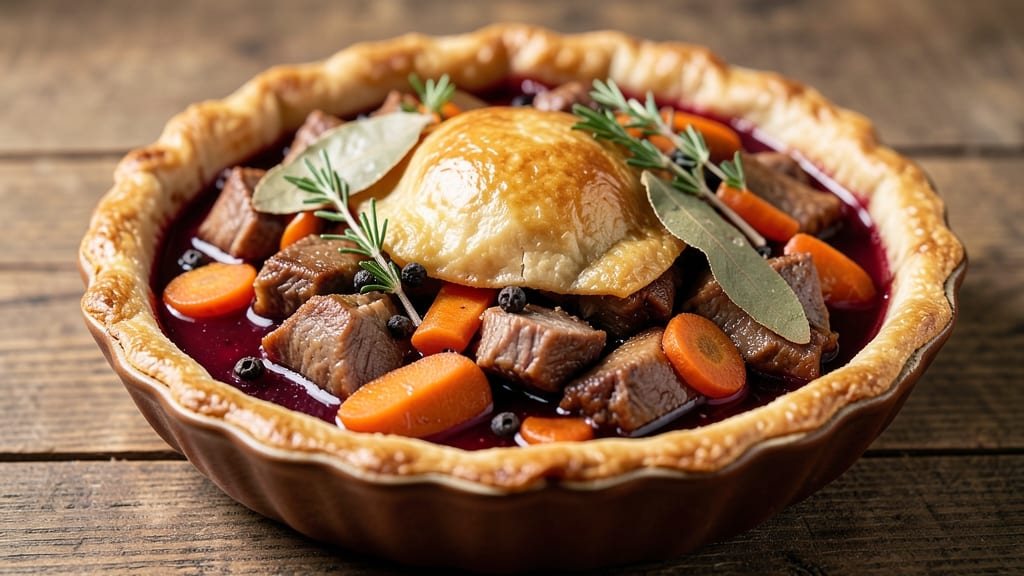
This pork pie filling recipe delivers the rich, savory heart of a classic British pie—tender pork shoulder, aromatic herbs, and a velvety gravy that binds every bite together. 🔥 After years of perfecting the technique at The Smoky Pig, I've simplified it for home cooks while keeping that restaurant-quality depth.
The secret lies in slow-cooking the pork until it's fork-tender, then blending it with a fragrant herb-infused gravy that transforms ordinary meat into something extraordinary.
What sets this filling apart is the balance of textures—juicy pork pieces suspended in a glossy, slightly thickened sauce that clings to every bite.
I use a mix of fresh thyme, bay leaves, and black peppercorns for that signature pork pie flavor, while a splash of red wine adds complexity without overpowering the meat.
The filling is designed to be used immediately in pies or pastries, but it also reheats beautifully for sandwiches or as a hearty side dish.
By the time you're done, you'll have a filling that's rich yet not greasy, flavorful yet not overpowering, and perfectly suited for either traditional pies or modern twists. The pork breaks down into tender shreds while absorbing all those aromatic flavors, creating a texture that's both satisfying and elegant.
This is the kind of filling that makes people ask for seconds—and then thirds.
Whether you're making a classic pork pie, filling individual tarts, or using it as a stuffing for roasted vegetables, this recipe delivers professional results with home-cook simplicity. The technique is straightforward, but the flavor payoff is what makes it worth every minute. Let's get started on creating that perfect filling.
Ingredients for pork pie filling
Pork shoulder, aromatic herbs, and a splash of wine create the heart of this savory filling.
| Ingredient | Amount | Notes |
|---|---|---|
| Pork Shoulder 🥩 | 2 lb | Bone-in for flavor, cut into 1-inch cubes |
| Red Wine 🍷 | ½ cup | Bold dry variety like Cabernet Sauvignon |
| Carrots 🥕 | ½ lb | Peeled, cut into 1-inch chunks |
| Fresh Thyme 🌿 | 2 tbsp | Leaves only, finely chopped |
| Bay Leaves 🍃 | 2 whole | Dried, for infusion |
| Black Peppercorns 🌶️ | 1 tsp | Crushed, not ground |
| Onion 🧅 | 1 whole | Yellow, peeled and quartered |
| Garlic Cloves 🧄 | 4 cloves | Peeled, smashed |
| Chicken Stock 💧 | 1 cup | Homemade preferred, low-sodium |
| All-Purpose Flour 🌾 | 1 tbsp | For gravy thickening |
| Salt 🧂 | 1 ½ tsp | Diamond Crystal preferred |
| Unsalted Butter 🧈 | 2 tbsp | Cold, for gravy finish |
The pork shoulder is non-negotiable here—bone-in for maximum flavor. Ask your butcher to trim excess fat if it's too marbled, but leave some for richness. For the herbs, fresh thyme from the grocery store's produce section beats dried any day, but if you're in a pinch, dried works at one-third the amount. Bay leaves should be vibrant green—if they're brown or brittle, toss them. I always grab my pork from Whole Foods or Costco for the best quality cuts, but any reputable grocery store will have suitable options. The wine? Whatever bold red you've got open—Cabernet, Merlot, even a decent Zinfandel works perfectly.
No red wine? Substitute with beef broth plus a splash of balsamic vinegar—it mimics the depth without the alcohol. Fresh thyme out of stock? Dried thyme at one-third the amount gets you close, but the flavor won't be as bright. The carrots can be baby carrots if that's what's in the fridge, but peeled and uniform chunks work best for even cooking. For the gravy, low-sodium chicken stock is key—homemade if you've got it, but store-bought works fine. The flour should be all-purpose, not cake flour—it thickens better for this application. And if you're wondering about the butter, yes, it's worth using full-fat for that velvety finish.
This filling reheats beautifully—just warm it gently on the stove with a splash of water or stock. Keeps for 3 days in the fridge, or 3 months frozen in airtight containers. I always make extra and freeze portions for future pies or sandwiches. For freezing, let it cool completely first, then portion into 1-cup containers—perfect for individual pies later. The gravy will thicken more when chilled, so thin it with a little stock or water when reheating if needed.
Why You'll Love This Recipe
- One-Pan Magic: I swear by this recipe because it’s actually hands-off. Toss the pork shoulder, carrots, and herbs into a pot with red wine, cover it, and let it simmer—no flipping, no fussing. The wine reduces down to a glossy, fragrant sauce while I’m still chopping veggies for the rest of dinner.
- Rich & Rustic: That deep, caramelized flavor? It’s the red wine working its magic. The pork shoulder melts into tender shreds, while the thyme and bay leaves infuse every bite with a warm, earthy aroma. Honestly, it’s the kind of taste that makes you want to eat it straight from the pot.
- Meal Prep MVP: This filling keeps brilliantly for days—perfect for stuffing pies ahead of time or whipping up a last-minute casserole. I’ve used it in hand pies, shepherd’s pie, and even as a hearty pasta sauce. (Yes, even on a Tuesday night.)
- Budget-Friendly Luxe: Pork shoulder is affordable, and the wine adds depth without breaking the bank. Plus, the carrots and herbs stretch the filling further, making it a reliable go-to when I’m feeding a crowd. It’s my secret weapon for feeling fancy without the splurge.
Step-by-step instructions for savory pork pie filling
Here's how to transform simple ingredients into rich, aromatic filling perfect for classic pork pies.
🔥 Step 1: Brown the Pork Shoulder for Deep Flavor
Heat a large Dutch oven over medium-high heat and add the 2 lb pork shoulder cut into 1-inch cubes. Let the pork sear undisturbed for 4-5 minutes until a deep golden crust forms on all sides. This step builds incredible flavor through the Maillard reaction.
Once browned, transfer the pork to a plate and set aside. You'll notice the pork releases some fat into the pot—don't wipe it out. This rendered fat will form the base of your gravy later. Here's the thing—if your pan gets too crowded, work in batches to ensure proper browning.
👨🍳 Step 2: Build the Aromatic Base
In the same Dutch oven, add 2 tablespoons unsalted butter and let it melt completely. Add the 1 whole onion (peeled and quartered) and 4 smashed garlic cloves, cooking for 5-6 minutes until the onion becomes translucent and the garlic releases its fragrant aroma.
Add the 0.5 lb carrots (peeled and cut into 1-inch chunks), 2 whole bay leaves, and 1 teaspoon crushed black peppercorns. Stir everything together and cook for another 3-4 minutes until the carrots begin to soften slightly. This aromatic base forms the flavor foundation of your filling.
🍳 Step 3: Deglaze and Simmer the Filling
Pour in the 0.5 cup bold red wine and scrape up all the browned bits from the bottom of the pot with a wooden spoon. This deglazing step captures all the meaty flavors you've built. Let the wine simmer for 3-4 minutes until it reduces by about half and the alcohol smell dissipates.
Return the pork to the pot and add the 1 cup chicken stock and 1.5 teaspoons salt. Bring everything to a gentle boil, then reduce heat to low and cover partially. Let it simmer for 1 hour to 1 hour 15 minutes until the pork is fork-tender and the liquid has reduced by about half.
🥘 Step 4: Finish with Herbs and Thicken the Gravy
Stir in the 2 tablespoons finely chopped fresh thyme and let it steep in the hot filling for 5 minutes to infuse the flavors. Remove the bay leaves at this point—they've served their purpose and can be discarded.
In a small bowl, whisk together the 1 tablespoon all-purpose flour with 2 tablespoons cold unsalted butter to make a paste. Gradually whisk this butter-flour mixture into the simmering filling. Cook for another 3-4 minutes until the gravy thickens to a smooth, glossy consistency that coats the back of a spoon.
⏰ Step 5: Rest and Prepare for Assembly
Let the filling cool slightly for 10-15 minutes before using it in your pork pies. This resting time allows the flavors to meld and the gravy to set properly. The filling should be moist but not soupy, with tender pork that practically falls apart.
For best results, use the filling within 24 hours of making it. If storing, keep it refrigerated in an airtight container. When ready to assemble your pies, you'll have a rich, flavorful filling that's the heart of any classic pork pie.
Pro Tips For Making Pork Pie Filling
- Brown the Pork First: Don’t just toss diced pork shoulder into the pot—sear it in batches until deeply golden. I learned this the hard way: skipping this step leaves the filling bland and pasty. A hot pan with a little oil, 3-4 minutes per side, builds flavor that wine alone can’t fix.
- Use a Splatter Screen: Red wine splatters like a diva when it hits hot pork. I used to curse the stove until I grabbed a cheap splatter screen—now I just lift it off, scrape the drips back in, and keep cooking. (Yes, even if you’re impatient like me.)
- Carrot Prep Matters: Peel and chop carrots into even ½-inch chunks, not random sizes. Uneven pieces cook at different rates, and you’ll end up with some mushy, some crunchy—no one wants that in pie filling. A mandoline makes this faster, but a sharp knife works too.
- Deglaze with Patience: After browning the pork, don’t rush the wine deglaze. Let it simmer for 2-3 minutes until it reduces by half—this concentrates the flavor and cuts the alcohol tang. Skimping here means a boozy, thin sauce instead of rich depth.
Wine and beer pairings for this dish
Classic Red Wine
A bold Cabernet Sauvignon or Merlot complements this filling beautifully, mirroring the dish's rich, savory profile. The wine's tannins and dark fruit notes harmonize with the pork's depth, while its acidity cuts through the richness.
I always reach for a 2018 Napa Valley Cabernet—it's my go-to for its balance of power and finesse. Serve slightly chilled to let the flavors shine without overwhelming the pie's warmth. 🍷
English Ale
For a British pub-style pairing, nothing beats a crisp English pale ale like Fuller's London Pride or St. Austell Tribute. The ale's malty sweetness and subtle hop bitterness create a refreshing contrast to the filling's heartiness.
The carbonation also helps cleanse your palate between bites, making it perfect for enjoying the pie's layers. I keep a six-pack on hand whenever I'm making pies—it's a match made in heaven.
Port Wine
If you prefer something sweeter, a Ruby Port adds an unexpected but delicious dimension. The wine's fruity notes and slight sweetness echo the carrots and thyme in the filling, while its viscosity coats your palate.
I like to serve it slightly warmed in small glasses—just enough to enhance the pie's flavors without competing. This pairing feels especially luxurious during holiday gatherings when the filling is at its richest.
Beer Pairing Tips
For beer lovers, avoid heavy stouts or IPAs—they'll overpower the delicate herb notes. Instead, opt for a Belgian witbier like Hoegaarden for its citrusy brightness, or a German Helles for its clean, malty profile.
The lighter body lets the filling's flavors take center stage. I often serve these with a slice of lemon on the rim to enhance the pairing's freshness. 🍺
Regional Twist
In the Southeast, where I grew up, we'd often pair this filling with a local craft cider like Georgia's Dogwood Cider. The cider's crisp acidity and subtle apple notes create a refreshing contrast to the pork's richness.
It's a nod to my roots and a perfect alternative when wine isn't available. Don't underestimate the power of a well-chosen cider—it can elevate the dish just as effectively as a fine wine.
Nutrition facts
Frequently asked questions
Can I use ground pork instead of cubed pork shoulder?
While you can use ground pork, it won't give you the same tender, melt-in-your-mouth texture that cubed pork shoulder provides. Ground pork tends to dry out during the long simmering process, resulting in a denser filling. If you're set on using it, try mixing it with 10% finely chopped pork belly for extra richness and moisture retention. The belly fat will keep the filling juicy while adding depth of flavor.
How do I adjust this recipe for a vegetarian version?
For a meat-free alternative, replace the pork with 1.5 lbs of mushrooms (like cremini or portobello) and 1 cup of cooked lentils. Use the same cooking method but reduce the simmering time to 45 minutes—mushrooms cook faster than pork. Boost the umami with 1 teaspoon soy sauce or 1 tablespoon mushroom powder to mimic the meaty depth. The herb and wine base will still shine through beautifully.
Why does my gravy turn out too thin or too thick?
Gravy thickness is all about the flour-to-liquid ratio and cooking time. If it's too thin, whisk in 1 teaspoon more flour mixed with 1 tablespoon cold butter and cook for 2-3 more minutes. For a thicker gravy, reduce the stock by 0.25 cup before adding the flour. Always remember: cook the gravy gently—too much heat can cause it to separate or become grainy. If it gets lumpy, whisk vigorously while adding a splash of cold stock to smooth it out.
Can I make this filling ahead of time?
This filling actually tastes better the next day as the flavors meld. Store it in an airtight container in the fridge for up to 3 days or freeze it for 3 months. When reheating, warm it gently on the stove with a splash of water or stock—never microwave it directly. For pies, let it cool completely before assembling to prevent soggy crusts. I often make a big batch on Sundays and use it throughout the week for pies, sandwiches, or even stuffed vegetables.
What's the secret to making the filling extra flavorful?
The secret lies in three key techniques: browning the pork deeply, using high-quality ingredients, and low-and-slow cooking. For maximum flavor, sear the pork until it's almost black in spots. Use fresh herbs (especially thyme) and good-quality red wine—the better the ingredients, the better the result. Finally, don't rush the simmering process—1.5 hours gives the pork time to break down into tender shreds while absorbing all those aromatic flavors. Patience is what transforms good filling into extraordinary filling.