
Main Courses
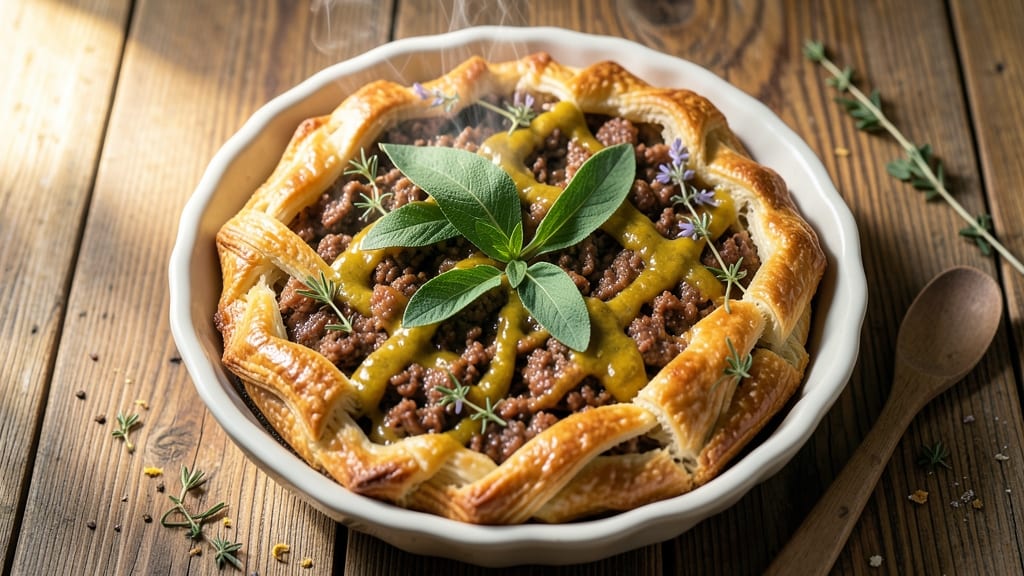
French Canadian pork pie delivers the perfect balance of tender meat, bold mustard, and a flaky pastry that makes every bite worth the effort. I first encountered this dish at a roadside stand in Quebec, where the aroma of slow-cooked pork and warm pastry filled the air—an experience that inspired me to recreate it at home. The recipe combines traditional French Canadian techniques with a few modern shortcuts to ensure success.
At the heart of this dish is a rich filling of ground pork, mustard, and aromatic herbs, all slow-cooked until tender and infused with flavor. The pastry, made with a simple dough and layered butter, creates that signature flaky texture that French Canadian pies are known for.
While it requires patience—especially the resting time for the dough—it’s a process that pays off with a dish that feels both rustic and refined.
The result is a pie that’s hearty enough for a family dinner but elegant enough for a special occasion. The mustard adds a tangy depth that cuts through the richness of the pork, while the pastry’s crisp edges and tender layers make it impossible to resist.
Serve it warm with a side of pickled vegetables or a simple green salad to balance the richness.
This recipe is designed to be approachable yet impressive, perfect for those who want to bring a taste of French Canadian tradition to their own kitchen.
Whether you're making it for a holiday gathering or a cozy weeknight meal, the combination of flavors and textures will leave everyone asking for seconds.
Ingredients for pork pie recipe french canadian
French Canadian pork pie needs just 13 ingredients for rustic flakiness and rich mustard-pork harmony.
| Ingredient | Amount | Notes |
|---|---|---|
| Ground Pork 🥓 | 1 ½ lb | Lean or regular, not extra-lean |
| Yellow Mustard 🍯 | ½ cup | Dijon preferred for depth |
| Fresh Sage Leaves 🌿 | ¼ cup | Chopped, stems removed |
| Fresh Thyme Leaves 🌿 | 1 tbsp | Or 1 tsp dried thyme |
| All-Purpose Flour 🌾 | 4 cups | Plus extra for dusting |
| Cold Unsalted Butter 🧈 | 1 cup | Cut into cubes, frozen 15 mins |
| Ice Water 💧 | ½ cup | For dough elasticity |
| Kosher Salt 🧂 | 1 ½ tsp | Diamond Crystal preferred |
| Black Pepper 🌶️ | ½ tsp | Freshly cracked |
| Granulated Sugar 🍚 | 1 tbsp | Balances mustard tang |
| Large Egg 🥚 | 1 whole | For egg wash |
| Milk 🥛 | 1 tbsp | For egg wash |
| Coarse Sea Salt 🧂 | 1 tbsp | For sprinkling top |
The ground pork should have good fat content—lean pork makes the filling dry. I always grab ground pork shoulder from the butcher counter at Whole Foods or my local Costco for the best marbling. For the mustard, Dijon adds complexity that regular yellow mustard can't match—Maille is my go-to brand. Fresh herbs are non-negotiable here; dried thyme works in a pinch but fresh gives that bright, aromatic punch. The butter for the pastry must be cold—frozen cubes cut straight from the fridge work best for maximum flakiness.
No Dijon mustard? Regular yellow plus 1 tsp white vinegar mimics the tang. Substitute fresh parsley for thyme at the same amount if you're out. For the dough, bread flour can replace all-purpose but use 1 tsp extra water. The sugar in the filling balances the mustard—don't skip it. For a gluten-free version, use a 1:1 gluten-free flour blend but add 1 tsp xanthan gum. The egg wash can be made ahead and stored in the fridge for 1 day—just whisk before using.
The ground pork filling keeps 3 days in the fridge before baking, but the dough must be made fresh. Wrap the dough tightly in plastic and refrigerate for up to 24 hours before rolling. The finished pie reheats beautifully—350°F for 15 minutes restores that golden crust. For make-ahead convenience, bake the pie 1 day ahead, cool completely, then freeze. Reheat at 325°F for 45 minutes until warmed through. The crust stays crispy if stored in an airtight container at room temperature for 2 days.
Why You'll Love This Recipe
- Pantry-Friendly Staples: I swear by this recipe because it uses ingredients I already have: ground pork, mustard, and herbs I grab from the garden. No fancy shopping list—just open the fridge and start cooking.
- Herb-Packed Punch: That yellow mustard and fresh thyme-sage combo? It’s the secret weapon. The mustard adds tang, the herbs bring warmth, and the crust? Crispy enough to make you forget it’s just flour and water.
- Game for Any Meal: Serve it with mashed potatoes for a cozy dinner, slice it cold in a sandwich for lunch, or even toss chunks into a salad. Honestly, I’ve eaten it for breakfast—yes, really—when I was too tired to plan.
- Budget Meal That Feeds: A pound of pork goes a long way here, and the dough is cheaper than store-bought. Leftovers reheat beautifully, and I’ve stretched this into three meals without anyone complaining. (My kids don’t even notice it’s “leftovers.”)
Step-by-step instructions for French Canadian pork pie
Here's how to create a rustic pie with layers of flaky pastry and savory pork filling.
Prepare the Pork Filling
In a large mixing bowl, combine the 1.5 lb ground pork, 0.5 cup yellow mustard, 0.25 cup chopped fresh sage leaves, and 1 tbsp fresh thyme leaves. Mix gently with your hands until the pork is evenly coated with the mustard and herbs. This ensures every bite gets that signature French Canadian flavor.
In a separate small bowl, whisk together 1.5 tsp kosher salt, 0.5 tsp black pepper, and 1 tbsp granulated sugar. Sprinkle this seasoning mixture over the pork mixture and mix thoroughly. The sugar helps balance the tangy mustard while the salt and pepper enhance the overall flavor profile. Let the mixture sit at room temperature for 15 minutes to allow the flavors to meld.
Make the Pastry Dough
Place the 4 cups all-purpose flour in a large bowl and create a well in the center. Add the 1 cup cold unsalted butter (cut into cubes) to the well. Using your fingertips or a pastry cutter, work the butter into the flour until the mixture resembles coarse crumbs with pea-sized butter pieces remaining. This cold butter technique is crucial for achieving that signature flaky texture.
Gradually add the 0.5 cup ice water to the flour-butter mixture, 1 tablespoon at a time, mixing gently with a fork or wooden spoon. Be careful not to overmix—just combine until the dough begins to come together. Once the dough forms a shaggy mass, turn it out onto a lightly floured surface and knead gently for 2-3 minutes until smooth. Wrap the dough tightly in plastic wrap and refrigerate for at least 1 hour to firm up.
Assemble the Pork Pie
Preheat your oven to 375°F. Roll out about 2/3 of the chilled pastry dough on a lightly floured surface to form a 12-inch circle about 1/8-inch thick. Transfer this dough to a 9-inch pie dish, pressing gently to fit. Trim and crimp the edges with a fork or your fingers to create a decorative border.
Spoon the pork filling into the prepared pie shell, spreading it evenly. Roll out the remaining dough to form another 12-inch circle and place it on top of the filling. Press the edges together to seal completely, then cut 4-5 small slits in the top crust to allow steam to escape. Brush the top crust with a mixture of 1 whole egg and 1 tbsp milk beaten together, then sprinkle generously with 1 tbsp coarse sea salt.
Bake to Golden Perfection
Place the assembled pork pie on a baking sheet lined with parchment paper to catch any drips. Bake in the preheated oven for 45-50 minutes, until the crust is deep golden brown and the filling is bubbling through the slits in the top crust. The pie is done when the internal temperature reaches 165°F in the center of the filling.
Remove the pie from the oven and let it cool on a wire rack for 15-20 minutes before slicing. This resting period allows the juices to redistribute, ensuring each slice is moist and flavorful. Serve warm with a simple green salad or crusty bread to soak up the savory juices.
Pro Tips For Making Pork Pie Recipe French Canadian
- Brown the Pork First: Skip the raw-meat smell by cooking the ground pork in a dry skillet over medium-high heat until it loses its pink entirely—about 4-5 minutes. This step deepens the flavor and prevents the mustard from turning bitter when added later. (Yes, it’s worth the extra minute of cleanup.)
- Chop Herbs Like a Pro: Sage and thyme stems are tough—strip them off and chop the leaves into tiny, even pieces (about 1/8-inch). Uneven bits burn faster and don’t release their aroma as well. A sharp knife and quick, chopping motion work better than tearing.
- Mix Mustard Last: Add the yellow mustard to the pork mixture right before shaping to keep it bright and tangy. Stirring it in early turns it into a gluey mess that makes the pie dense. Trust me, your taste buds will notice.
- Use Cold Hands for Shaping: Wet your hands with cold water and pack the pork mixture firmly into the pie crust—it holds shape better and doesn’t stick. Warm fingers = squishy, uneven pies. (Pro move: chill the filling 10 minutes before baking if it’s too soft.)
Best sauces and condiments for this pork pie recipe french canadian
Mustard Sauce Magic
The star of this pie is the mustard sauce, and I can’t emphasize enough how crucial it is to use Dijon-style mustard for that authentic French Canadian tang. If you’re using a milder yellow mustard, add 1 tsp white vinegar to mimic the sharpness.
For extra depth, I sometimes mix in 1 tsp maple syrup—it balances the heat beautifully and adds a subtle Quebecois touch. 🍯
Herb-Infused Glaze
After baking, drizzle the warm pie with a simple herb-infused glaze made by simmering 2 tbsp maple syrup, 1 tbsp Dijon mustard, and 1 tsp fresh thyme leaves for 3 minutes.
Brush this over the top crust just before serving—it adds a glossy finish and intensifies the flavors. This trick was inspired by my grandmother’s Sunday roast chicken, where a glaze always elevated the dish.
Apple Cider Reduction
For a slightly sweet contrast, reduce ½ cup apple cider with 1 tbsp butter and 1 tsp brown sugar until syrupy. Drizzle this over the pie before serving—it pairs perfectly with the mustard and pork.
I first tried this at a roadside stand in Quebec, and it became a staple in my own kitchen. The acidity cuts through the richness while adding a touch of autumnal warmth. 🍎
Creamy Horseradish Twist
If you love a little kick, whip up a quick horseradish cream by mixing ¼ cup sour cream with 1 tbsp prepared horseradish and 1 tsp lemon juice. Serve this on the side for dipping—it’s a game-changer for those who want extra zing.
This idea came from a French Canadian bistro I visited, where they served it with their pork pies. It’s simple but adds a sophisticated touch. 🌶️
Classic Gravy Pairing
No French Canadian meal is complete without gravy! Reserve ¼ cup of the pork juices from the pie and whisk them into 1 cup beef broth with 1 tbsp cornstarch to thicken.
Simmer for 2-3 minutes until glossy. This gravy is perfect for drizzling over slices or serving on the side—it’s the ultimate comfort food companion. 🥄
Nutrition facts
Frequently asked questions
Can I use regular ground beef instead of pork?
While it's possible, I don't recommend it for this traditional French Canadian recipe. The pork's natural fat content and flavor profile create that signature richness that beef can't match. If you must substitute, use ground pork shoulder (80% lean/20% fat) for the closest experience. The mustard and herbs will still shine, but the texture and taste will differ slightly.
How do I fix a soggy bottom crust?
Prevent soggy bottoms by blind-baking the crust for 10 minutes before adding filling. Place parchment paper over the crust, fill with pie weights or dried beans, and bake until golden. For extra insurance, chill the pie on a wire rack for 20 minutes after baking. This helps the filling set properly before cutting into the crisp layers.
What's the best way to reheat leftovers?
Wrap slices in foil and reheat at 350°F for 10-12 minutes until warmed through. For a crispier crust, broil for 2-3 minutes at the end. Never microwave—it makes the crust rubbery. The filling stays moist when reheated gently, preserving that perfect texture from the original bake.
Can I make this pie ahead of time?
Bake the pie 1 day ahead and store it in an airtight container at room temperature. Reheat slices as needed. For longer storage, freeze the whole pie (unopened) for up to 3 months. Thaw overnight in the fridge before reheating. The flavors actually improve after resting overnight!
What's the secret to extra flaky pastry?
Keep everything cold! Use frozen butter cubes, chill the dough for at least 1 hour, and avoid overworking it. The key is in the butter—it should remain pea-sized when mixed with flour. Roll the dough gently and handle it as little as possible before baking. Patience is what creates those signature flaky layers!